

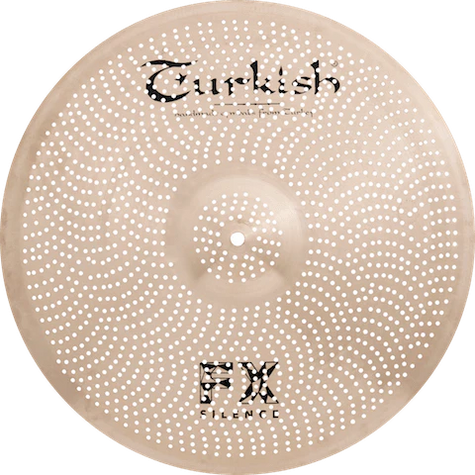
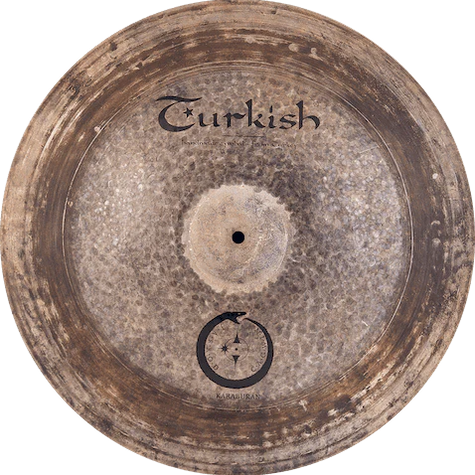
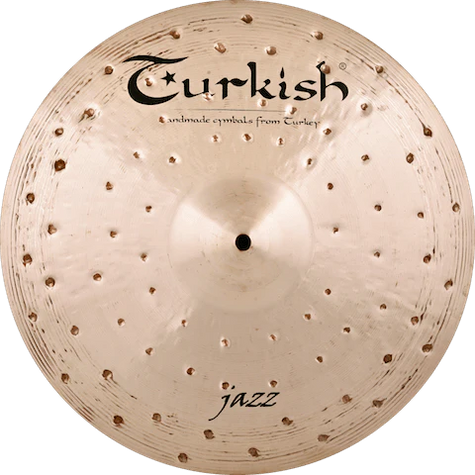
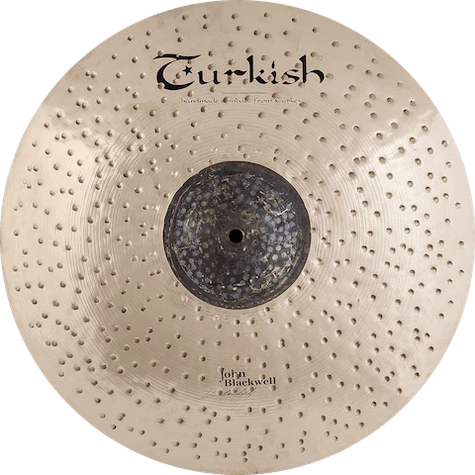



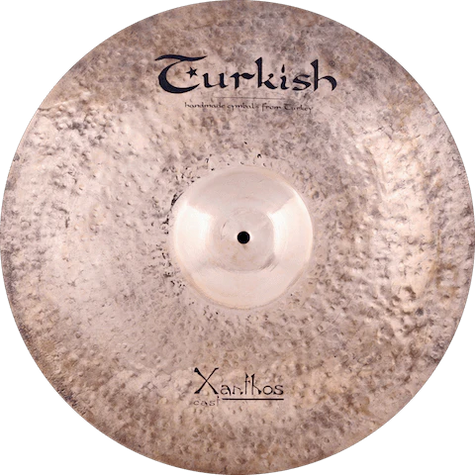
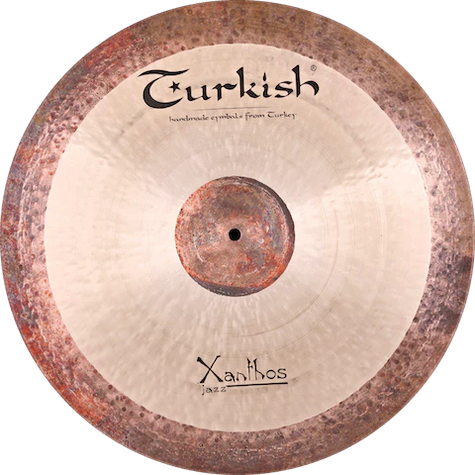
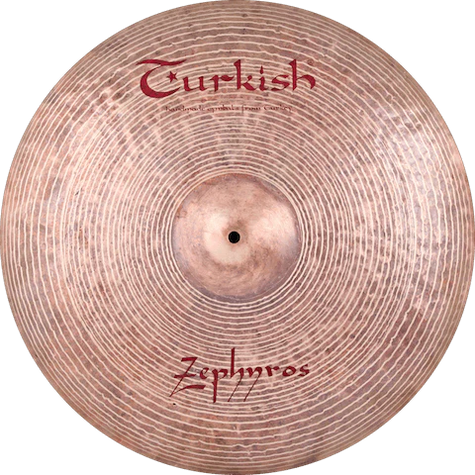
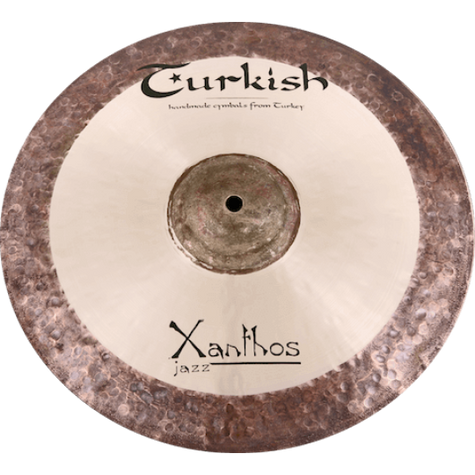



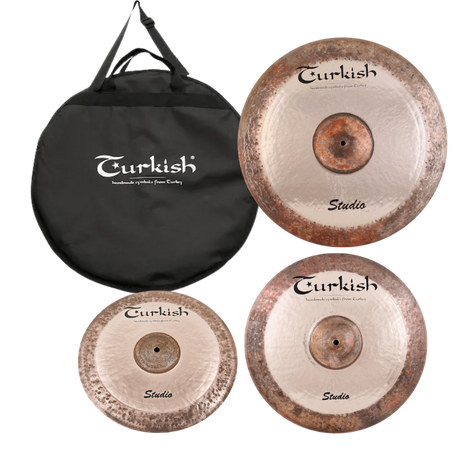
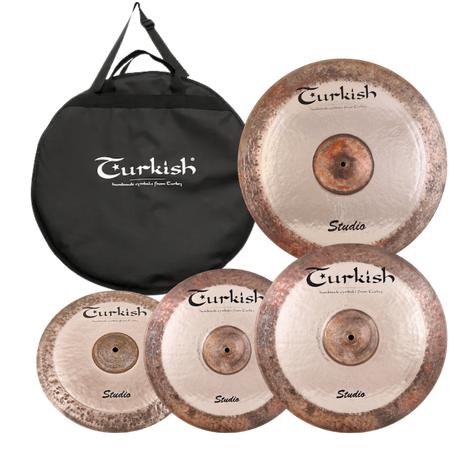



The origins of cymbals in ancient Byzantium
The history of drum cymbals begins in the opulent palaces and religious ceremonies of the Byzantine Empire. As early as the 4th century CE, metalworkers developed sophisticated alloying techniques. The characteristic bronze–tin blend emerged from centuries of experimentation.
Byzantine artisans perfected the art of metalworking through closely guarded family traditions. Each master passed knowledge solely to selected apprentices. The resonant bodies they created served primarily liturgical purposes.
"The Byzantine legacy lives on in every hand‑hammered cymbal—a tradition that has endured for more than 1,600 years."
Early techniques included intricate hammering processes and precise heat treatment. Master chasers shaped thin bronze plates into highly resonant instruments. These early examples differed significantly from modern interpretations.
Ottoman craftsmanship and the development of B20 bronze
The Ottoman Empire revolutionized cymbal making through innovative metallurgy. The famous B20 alloy arose from a precise mix of 80% copper and 20% tin. Workshops in Constantinople evolved into European centers of cymbal production.
Traditional forging techniques in Istanbul
Istanbul artisans perfected centuries‑old forging methods. Experienced masters heated blanks to exact temperatures. Rhythmic hammer strokes created signature surface patterns and determined the cymbal’s future sound.
Every step demanded years of experience and intuitive skill. Quality depended on minimal temperature variations and precise hammer movements. Workshop secrets were passed down exclusively by word of mouth.
The emergence of distinct cymbal types
Ottoman instrument makers categorized cymbals by size, weight, and tonal character. They developed thin crash cymbals for explosive accents and heavy ride cymbals for steady timekeeping. Different alloys produced specific overtone spectra.
- Thin splash cymbals for short, brilliant accents
- Medium‑weight crash cymbals for dynamic transitions
- Heavy ride cymbals for precise timekeeping
- Hi‑hat pairs for percussive foundational rhythms
The shift brought by industrialization
The Industrial Revolution profoundly influenced traditional cymbal making. Machine production enabled greater volume but often diminished artisanal quality. European and American manufacturers established alternative production methods.
Even so, Turkish manufactories preserved their traditional techniques. This continuity safeguarded the authenticity and signature sound of hand‑hammered cymbals. Today’s producers combine time‑honored craftsmanship with modern quality standards.
Jazz, rock, and the revolution of the modern drum sound
The 20th century brought revolutionary changes to the world of cymbals. Jazz pioneers explored the subtle possibilities of thinner cymbals. Rock drummers favored powerful, highly projecting sounds.
Style‑specific developments
Each musical style developed distinct cymbal requirements. Jazz players valued complex overtones and long sustain. Rock drummers needed explosive crashes and defined ride sounds for high‑energy performances.
| Music style | Preferred cymbal types | Distinctive characteristics |
|---|---|---|
| Jazz | Thin rides, small splashes | Warm tone, complex overtones |
| Rock | Heavy crashes, large rides | Power, clear projection |
| Funk | Tight hi‑hats, fast crashes | Precise articulation, controlled sustain |
| Fusion | Versatile all‑round cymbals | Dynamic flexibility, balanced sound |
Technological innovations in cymbal making
Modern manufacturers have integrated scientific insights into traditional processes. Acoustic analyses optimize alloy composition and forming methods. Computer‑assisted quality control ensures consistent sonic characteristics.
Even so, hands‑on expertise remains irreplaceable. Master smiths recognize optimal working states through decades of practice. This intuition cannot be replicated by machines.
Frequently asked questions about cymbal history
Why did the first cymbals emerge in Byzantium?
The Byzantine Empire possessed advanced metalworking and a rich musical tradition. Religious ceremonies required specific sound instruments, fostering the development of refined cymbals.
What makes the B20 alloy so special?
The mix of 80% copper and 20% tin delivers optimal sonic properties. This alloy combines hardness with resonance and enables complex overtone spectra.
How do hand‑hammered cymbals differ from machine‑made ones?
Hand‑hammered cymbals possess individual character and more complex tonal structures. Each piece develops unique properties through manual shaping that machine production cannot match.
The future of traditional cymbal making
Modern drummers increasingly value authentic, handcrafted instruments. This renaissance of traditional production methods helps preserve centuries‑old techniques. Young craftspeople are learning the complex skills of seasoned masters.
Contemporary distribution channels provide worldwide access to hand‑hammered, high‑quality cymbals. Online platforms connect traditional makers with discerning musicians. Virtual tryouts are transforming the selection process for professional drummers.
The history of drum cymbals underscores the enduring relevance of traditional craftsmanship. From Byzantine origins to modern workshops, every hand‑hammered cymbal preserves the cultural heritage of past centuries. This timeless tradition will continue to inspire future generations of musicians.