


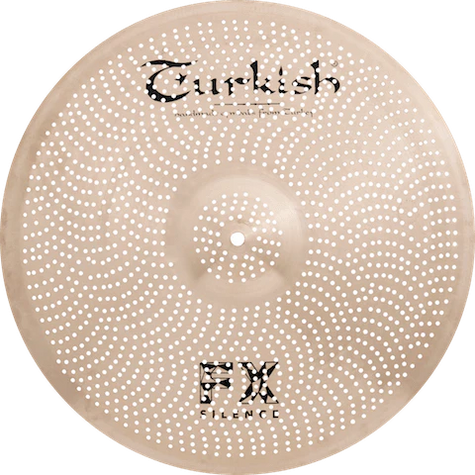
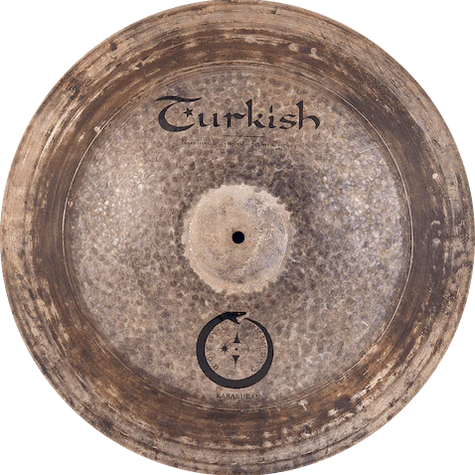
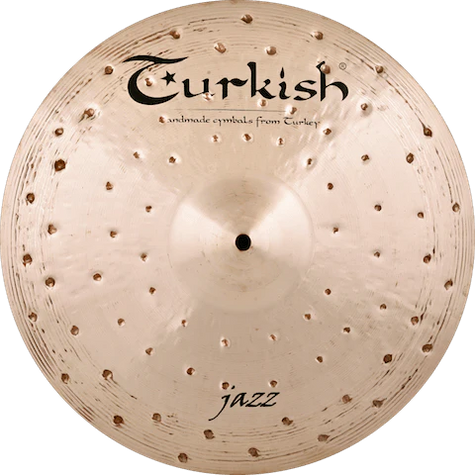
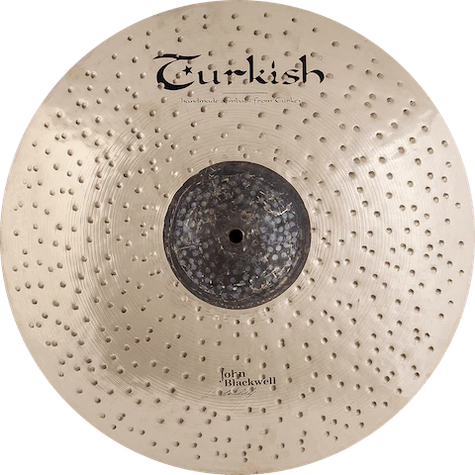
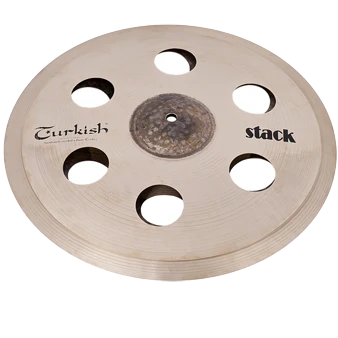
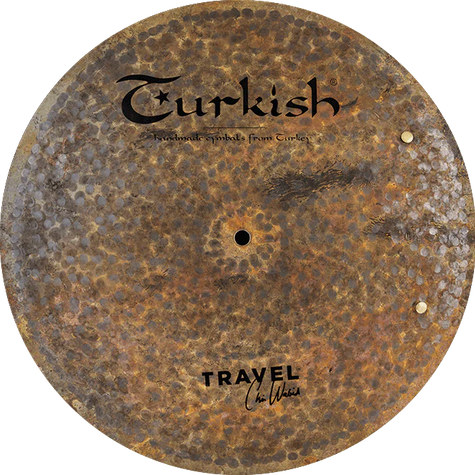
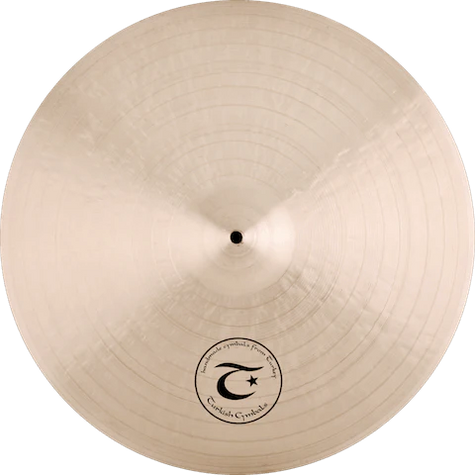
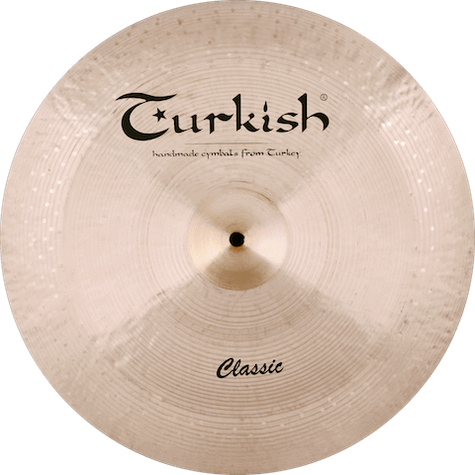
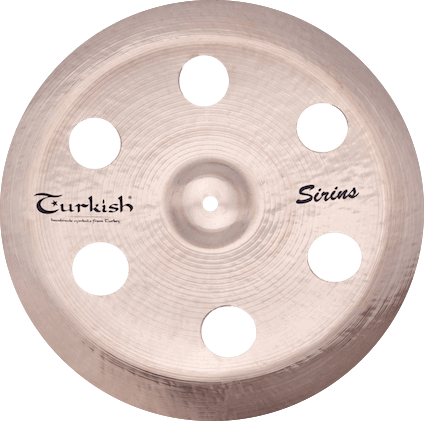
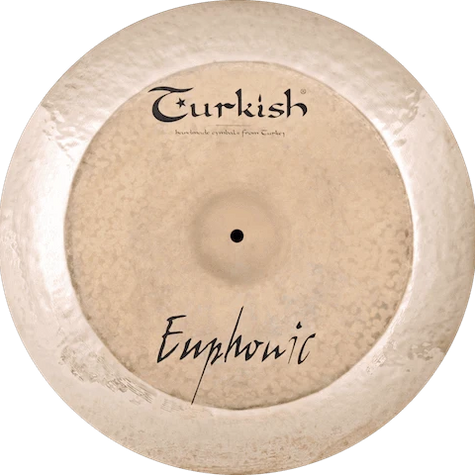
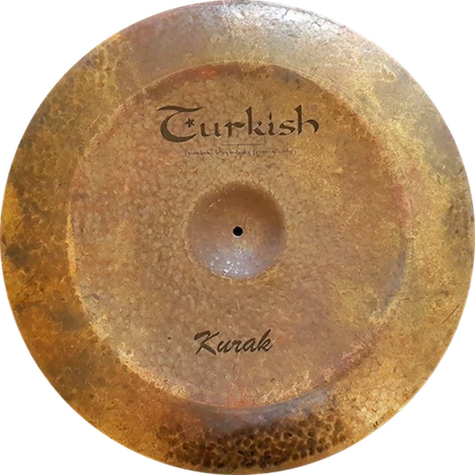
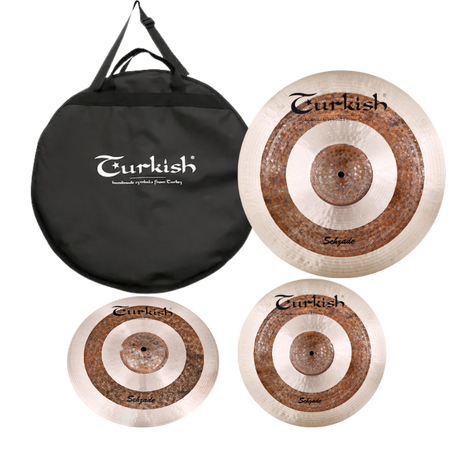
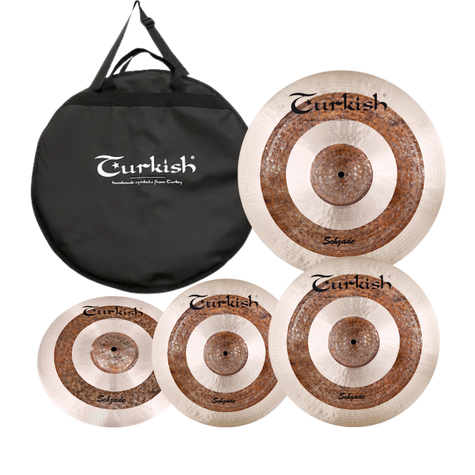
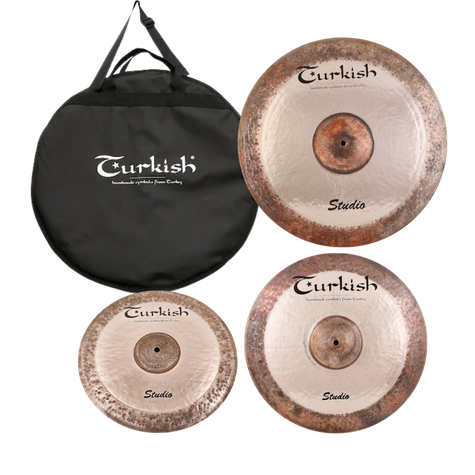
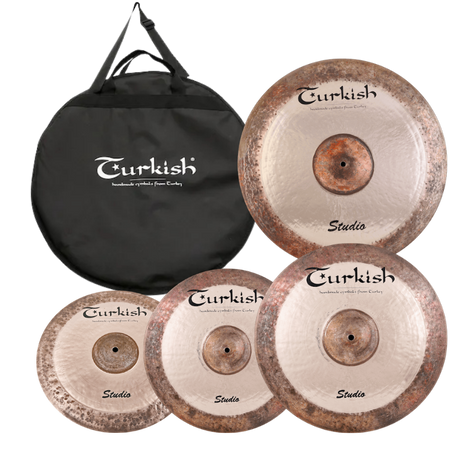


In the rehearsal room the crash sounds just right, but on the recording it suddenly jumps out of everything. Many drummers know the feeling: microphones hear differently than ears, and through the overheads bright cymbals often come across sharper and louder than they feel while you're playing. This is where dark cymbals come in. This article looks at when dark cymbals are the better choice in the studio, what to watch out for when recording, and which Turkish Cymbals series are worth considering.
What “dark” means for cymbals
A dark cymbal emphasizes the lower parts of its sound, while the highs step back a little. It often also sounds drier and has a shorter sustain – but that isn't a fixed rule. Also important: dark doesn't automatically mean quiet. A heavy, dark cymbal can be very loud.
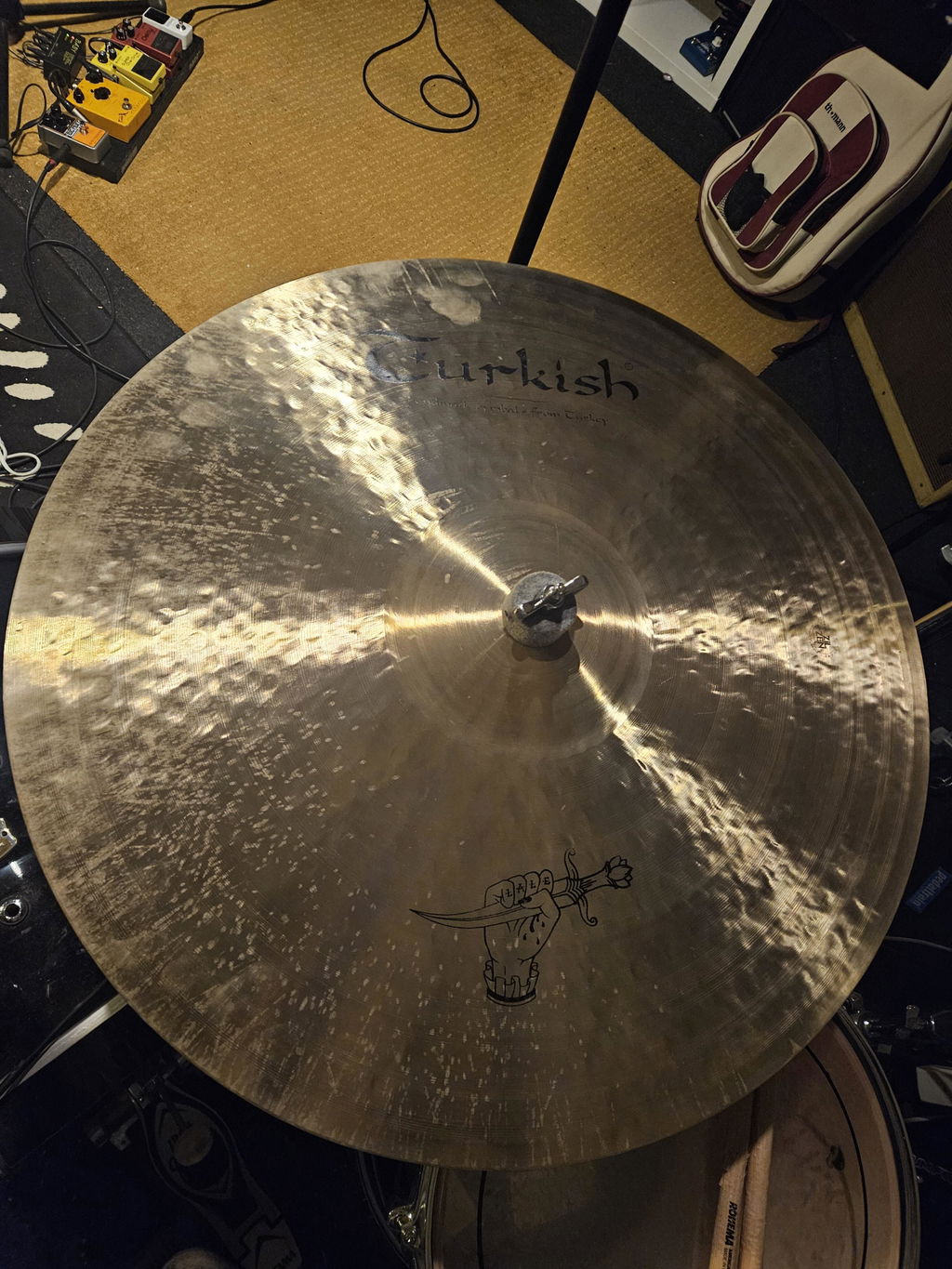
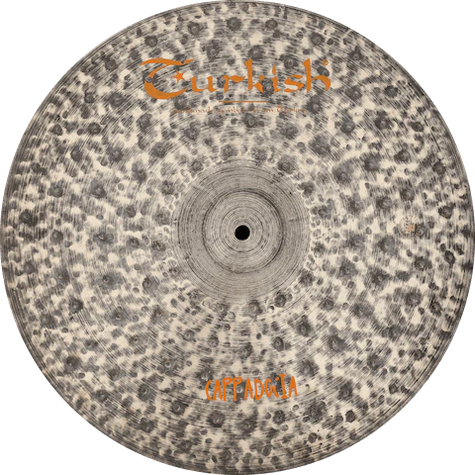
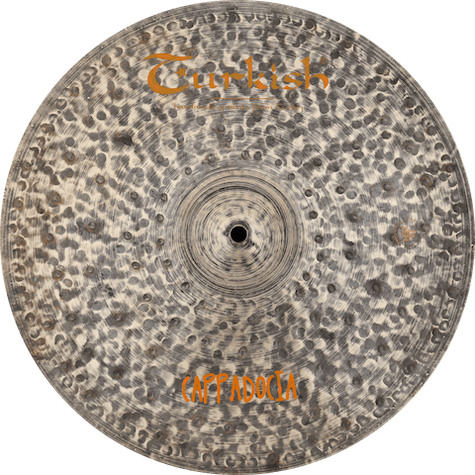
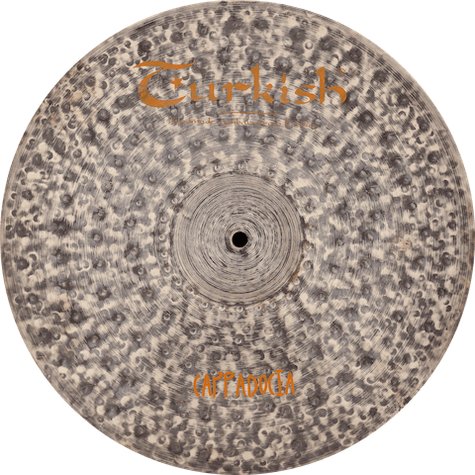
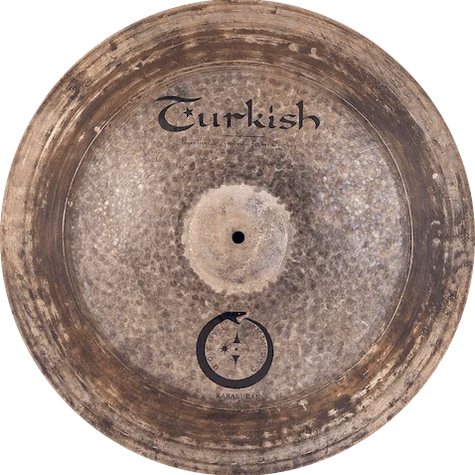
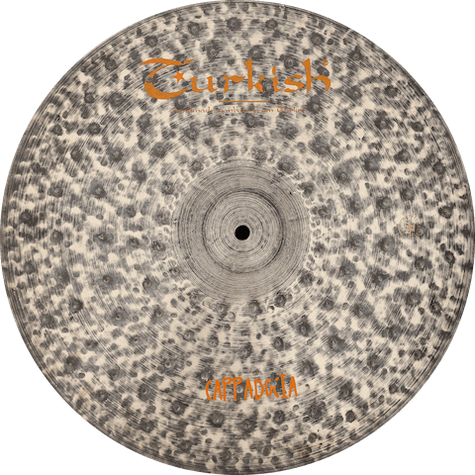
With Turkish Cymbals, the material is always the same: B20 bronze, cast in Istanbul. So the dark sound doesn't come from a different alloy but from the way the cymbal is worked: how densely and deeply it is hammered, whether and how much the surface is lathed, plus weight, profile and finish. Two examples: in the Cappadocia series, deep hammering makes the sound darker, drier and more controlled. In the Raw Dark series, the raw, unlathed surface creates the dry, dark sound and the short sustain.
When dark cymbals are the better choice in the studio
Bright cymbals aren't worse; they just do a different job. Dark cymbals show their strengths above all in these situations:
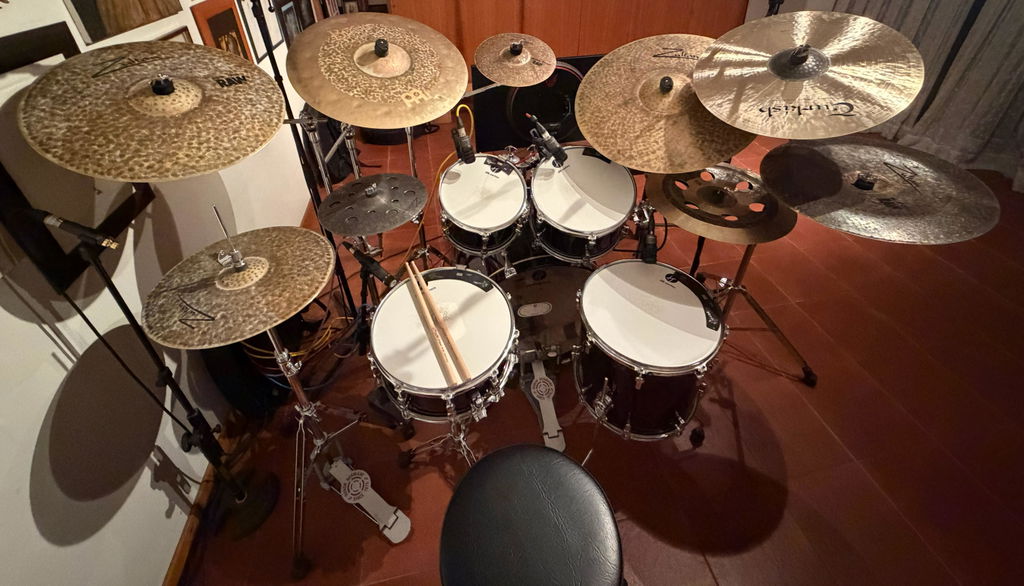
- The overheads capture the whole kit. Overheads hang above the cymbals, so they pick them up especially clearly. If the cymbals are bright with a long sustain, they quickly end up louder in the mix than the snare and toms. Dark cymbals make the kit sound more balanced.
- The song is densely arranged. When guitars, keyboards and vocals need a lot of room in the high end, a dark cymbal is less likely to push itself to the front.
- You're recording in a small room. In small rooms you hear a long, bright wash on almost every microphone, including the snare and tom mics. A cymbal with a shorter sustain keeps the individual tracks cleaner.
- The music is quiet and dynamic. In jazz, in a trio or in quiet songs, the ride often carries the groove. A dark ride with a clear stick sound stays present there without becoming intrusive.
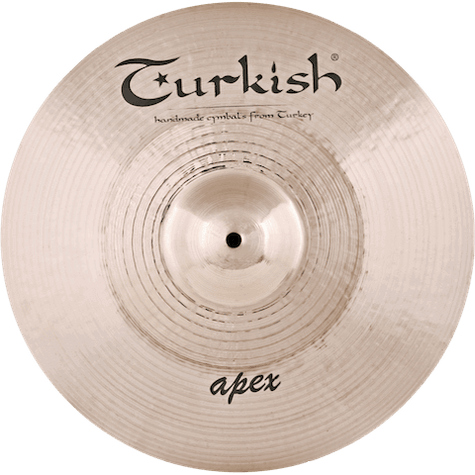
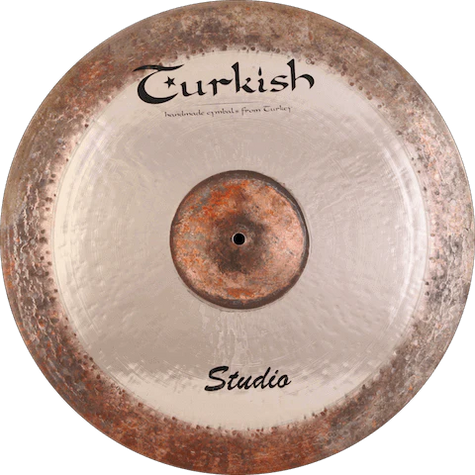
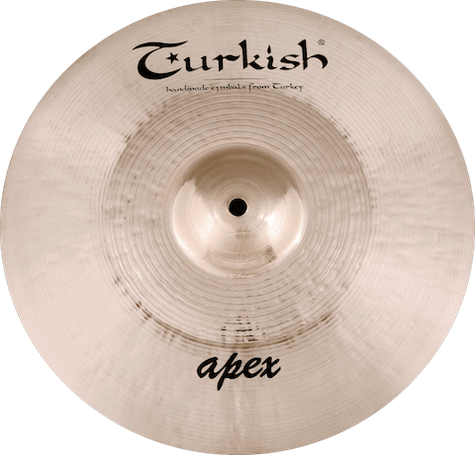
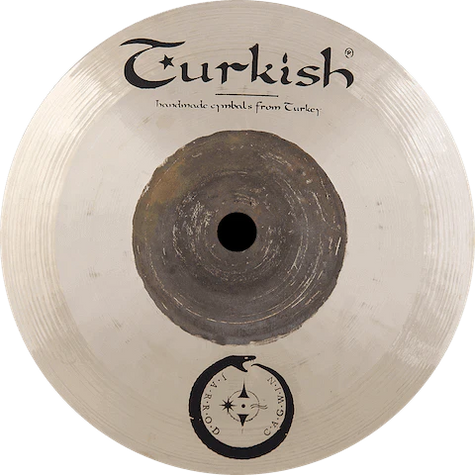
There are also cases where a bright cymbal is the better fit, though: when a pop production needs sparkle in the highs, or when a crash has to cut through a very loud, dense band. One more note on the name: the Studio series from Turkish Cymbals is not a dark series. It sounds medium-bright and washy, yet clean and clearly defined – so it's the better pick if you want a clear rather than a dark sound.
Recording dark cymbals: practical tips
You don't need expensive gear to make good recordings. Most improvements happen in front of the microphone.
- Play at song volume. Before recording, listen to the cymbals the way you'll actually hit them in the song. The harder you hit, the brighter and louder almost any cymbal sounds. A dark cymbal played with feel usually needs only a little correction later.
- Experiment with the overhead height. Closer to the cymbals you hear more attack and stick, farther away more of the whole kit and the room. Because dark cymbals are less harsh in the highs, they often tolerate a slightly closer position. Make short test recordings and compare.
- Measure the distance to the snare. If you're using two overheads, both should be roughly the same distance from the snare. A tape measure or a piece of string is all you need. That way the snare sits in the center and sounds full.
- Don't point the hi-hat mic at the gap. When the hi-hat closes, a puff of air escapes from the side. If the mic points down at the bow of the top cymbal, a little away from the edge, the chick sounds cleaner.
- Give the ride its own mic if needed. The ride sometimes gets lost in the overheads, especially when it's mounted low. An extra mic placed a little way off brings the stick sound and the bell forward.
- Use the room mics. If the cymbals don't sound harsh in the room, you can often bring the room mics up a little in the mix. The drums then sound bigger without the cymbals hissing.
- Keep an eye on your EQ. If you have to cut the highs of your cymbals heavily on every recording, take it as a hint: a darker cymbal would do that work for you.
Dark Turkish Cymbals series for recording
At Cymballand you'll find several dark series. Which one fits depends mainly on your music.
Jazz and quiet lineups
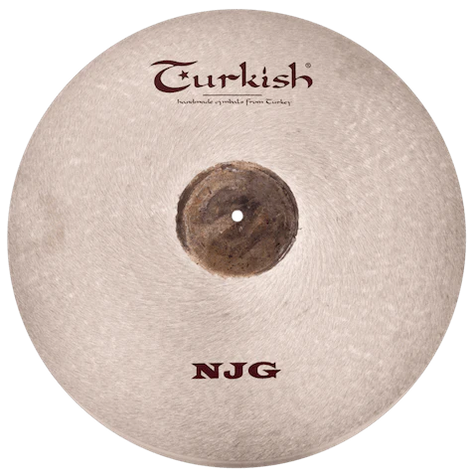
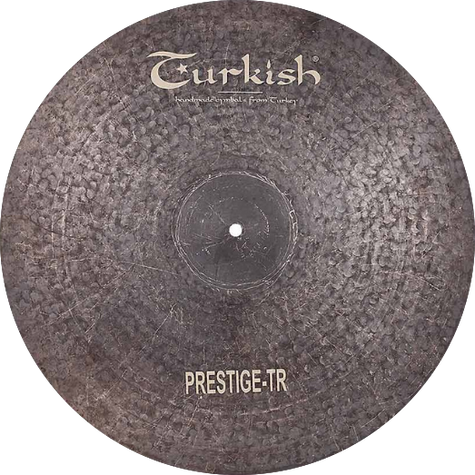
The Prestige-TR series was created for jazz drummers looking for a deep, dry and dark cymbal sound. Dense hammering, sparing lathing and a special blackening process give it a short sustain; the stick sound stays clearly defined and the ping soft. The ride comes in sizes up to 26". The NJG series is also intended for jazz, with a sound that is dry, dark, controlled and short.
Funk, soul, fusion and grunge
The Cappadocia series sounds earthy and dry, with a medium-short decay and minimal overtones. The cymbals hold their own in dense arrangements as well as in quiet passages and suit jazz, funk and grunge rock, but also jazz fusion, Latin and soul.
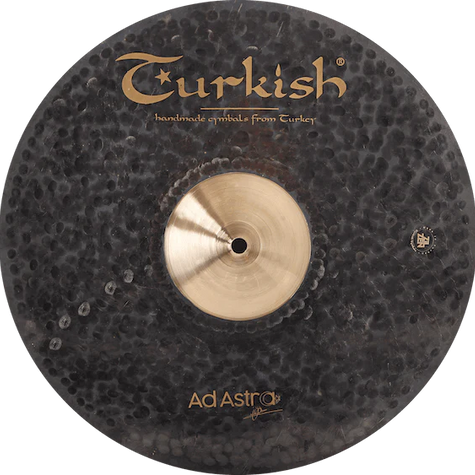
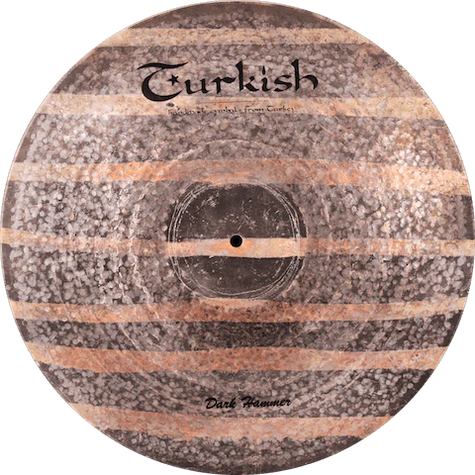
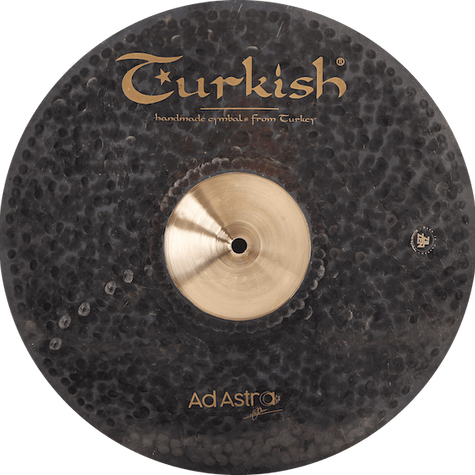
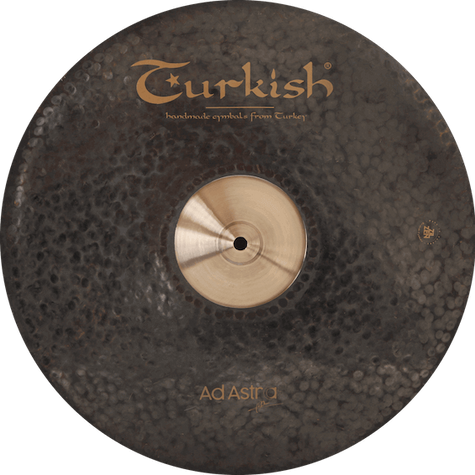
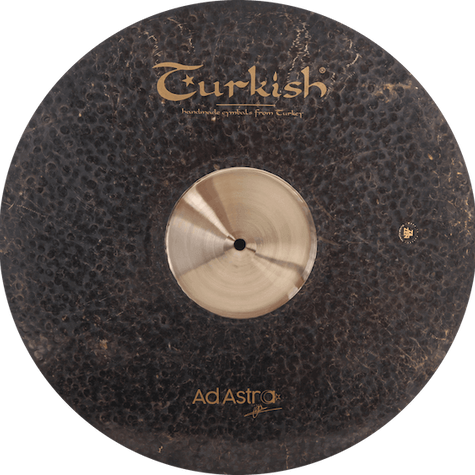
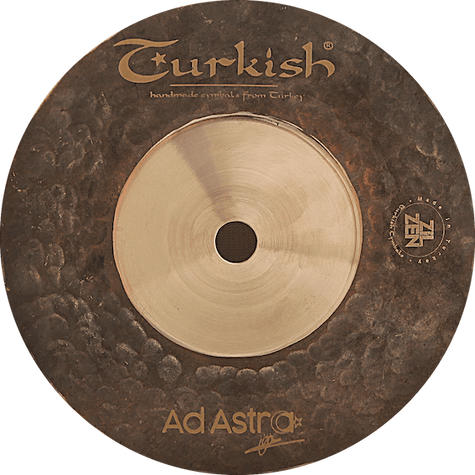
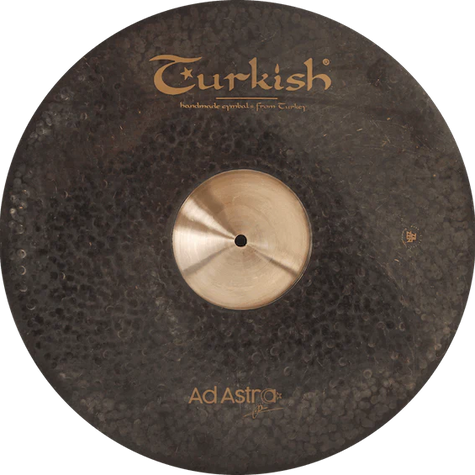
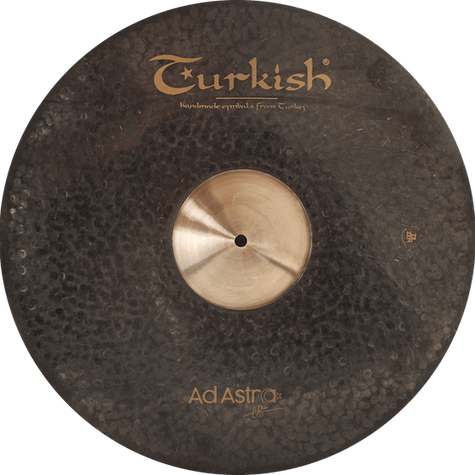
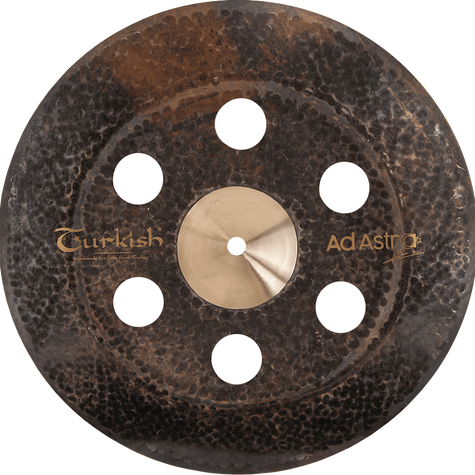
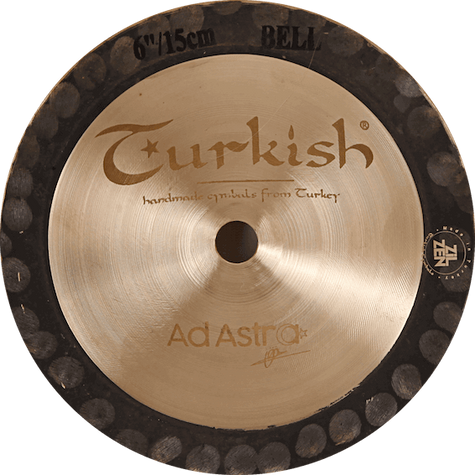
The Ad Astra series has an unlathed surface with a dark finish straight from the oven; only the large bell is lathed. The fundamental is warm and dark, and the sustain is controlled on most models. Whether rock, funk, fusion or studio recordings: the series delivers texture without burying the mix. On the Ad Astra Ride, the character changes noticeably depending on the stick and where you strike it, which gives you a lot of room to work with in the studio. If you prefer something a little lighter, give the Dark Hammer series a listen too: Medium-Thin, dark and dry, with clear stick definition.
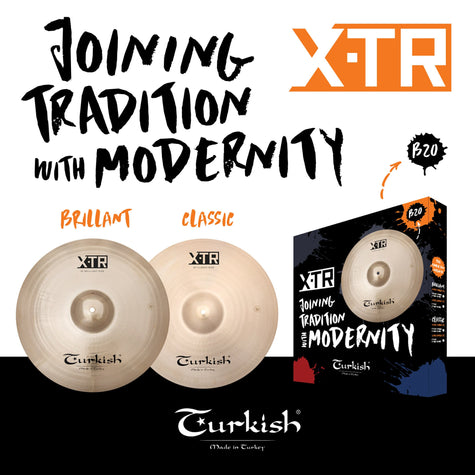
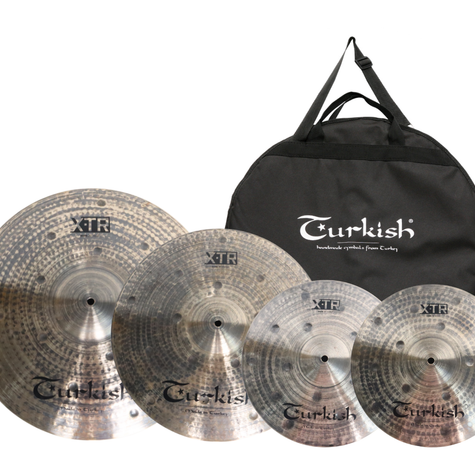
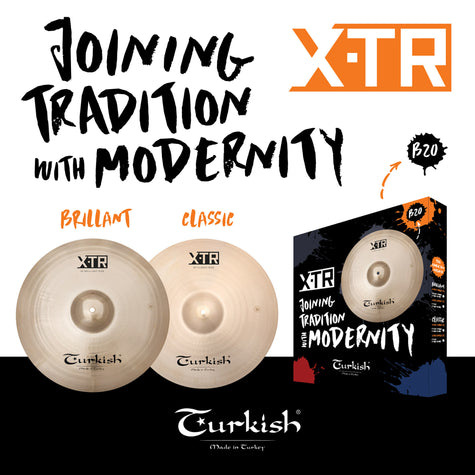
Within the X-TR family, the X-TR Dark series is the dark variant: a large hammering pattern and a dark finish give the Medium cymbals a full sound with low overtones and a shorter sustain than X-TR Brilliant and X-TR Classic. It is intended for grunge, rock, funk, blues and jazz fusion.
Rock, metal and grunge
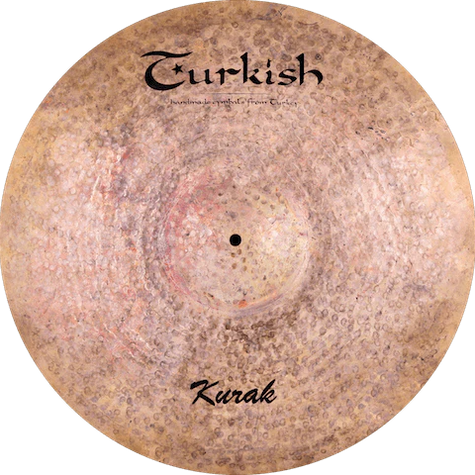
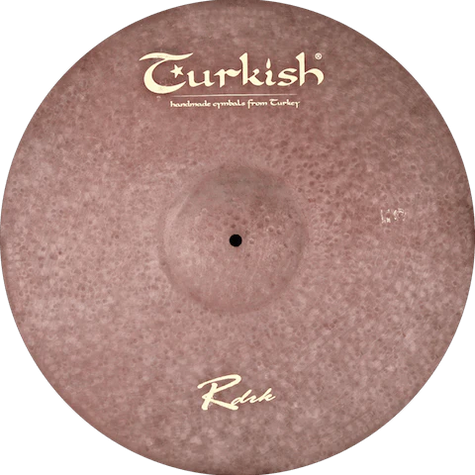
The Raw Dark series is made for drummers who like their cymbals powerful, dark and dry. The bow and bell are left unlathed, and the cymbals are then blackened but not lacquered. The raw surface creates the dry, dark sound and the short sustain; large bells and a thick build (Medium-Heavy) add body and volume. Its home turf is loud music, above all metal, rock, grunge and progressive rock.
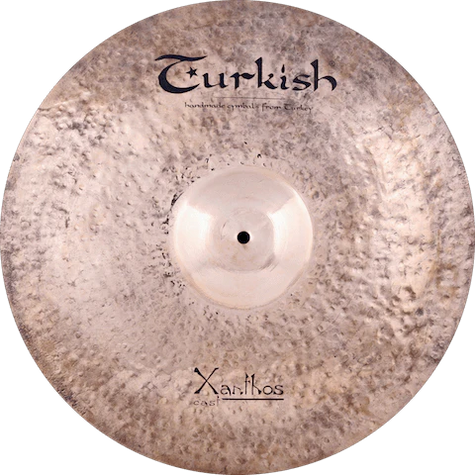
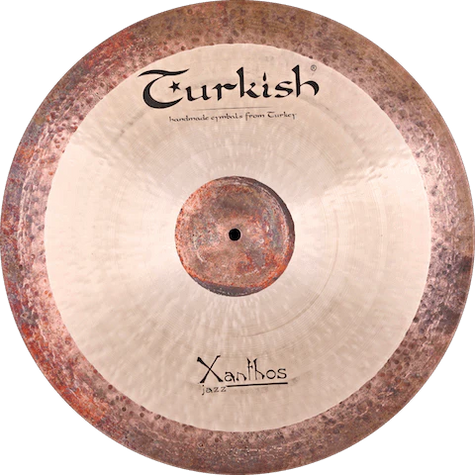
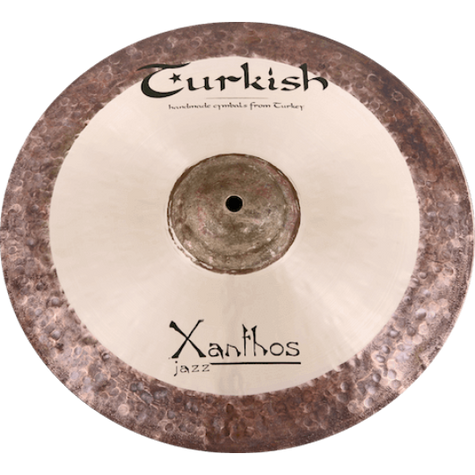
An alternative is the Xanthos-Cast series. Its bow is left unlathed and deeply hammered, so the cymbals sound dark and dry and have a short decay. Unlike Raw Dark, the bell is lathed and polished bright. The series is intended for rock, metal, progressive rock and blues.
Listen first
You can listen to many of our cymbals in advance on Cymballand Virtual: edge and bell individually, hi-hats open and closed, without plugins or effects. Using your favorites, you can play several cymbals one after another in the same window. You can read exactly how it works in the article Testing cymbals online.
Conclusion
Dark cymbals aren't a must for every recording. In the studio, though, they're often the less complicated choice, because their restrained highs blend into the mix more easily and they usually need less post-processing. What matters is that the cymbal suits your music: for jazz, Prestige-TR or NJG; for funk, soul and fusion, Cappadocia or Ad Astra; for loud music, Raw Dark or Xanthos-Cast.
If you're not sure which series suits your room and your style, just get in touch. We're happy to advise you, and you can also visit our warehouse in Berlin by appointment.