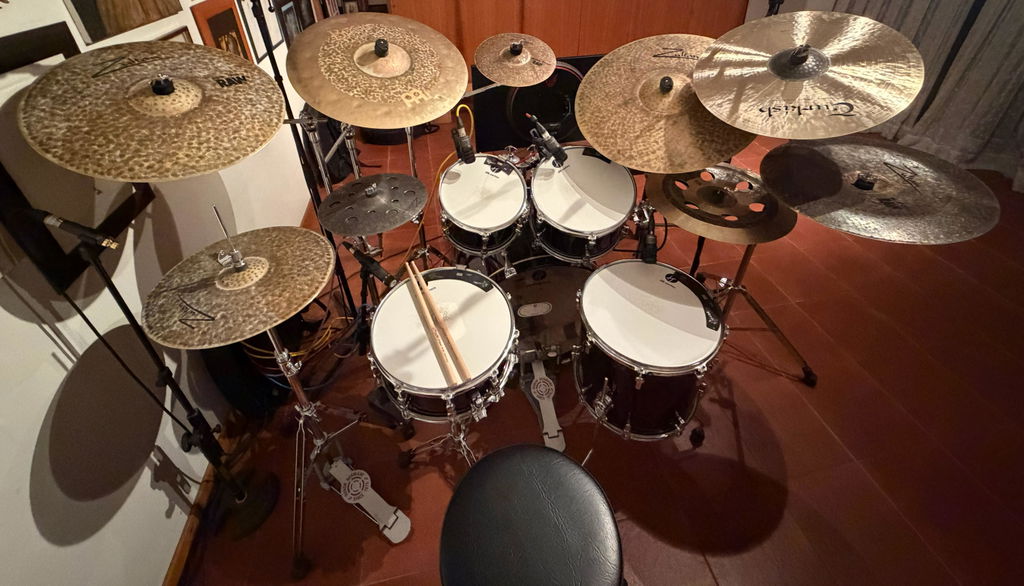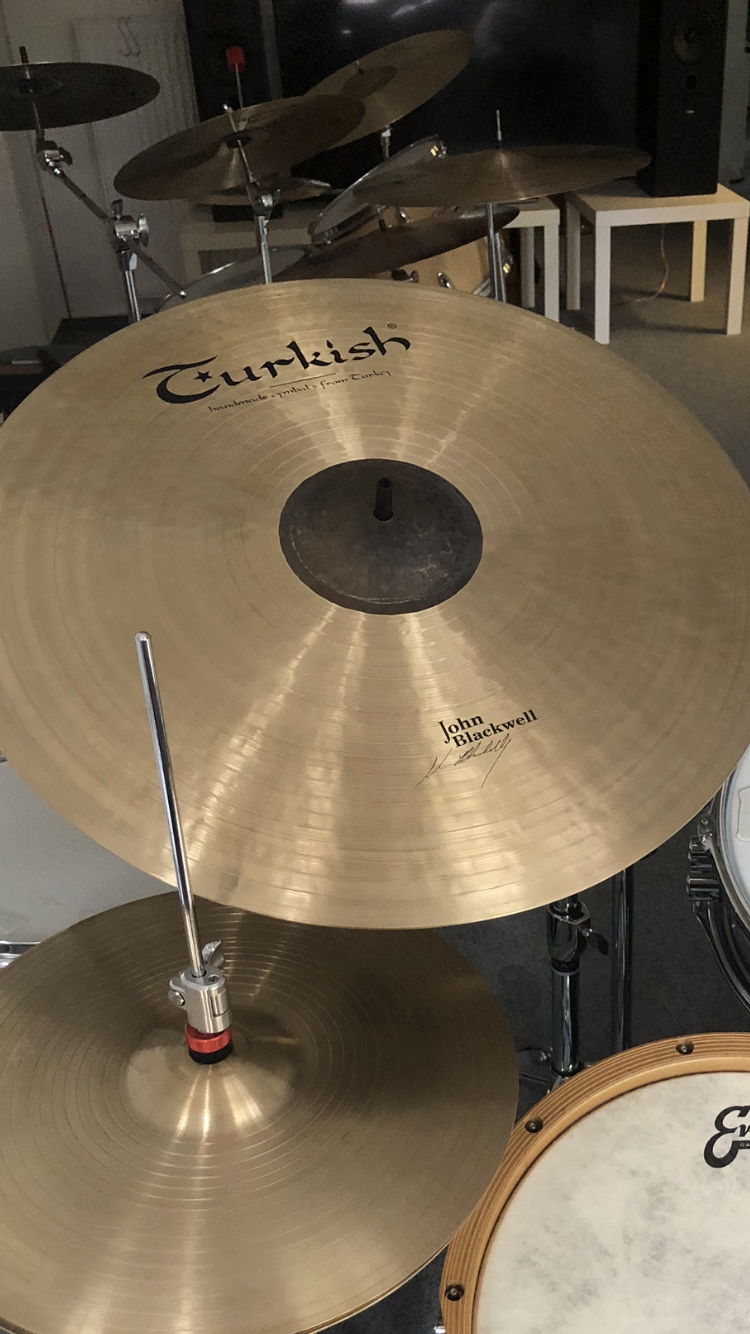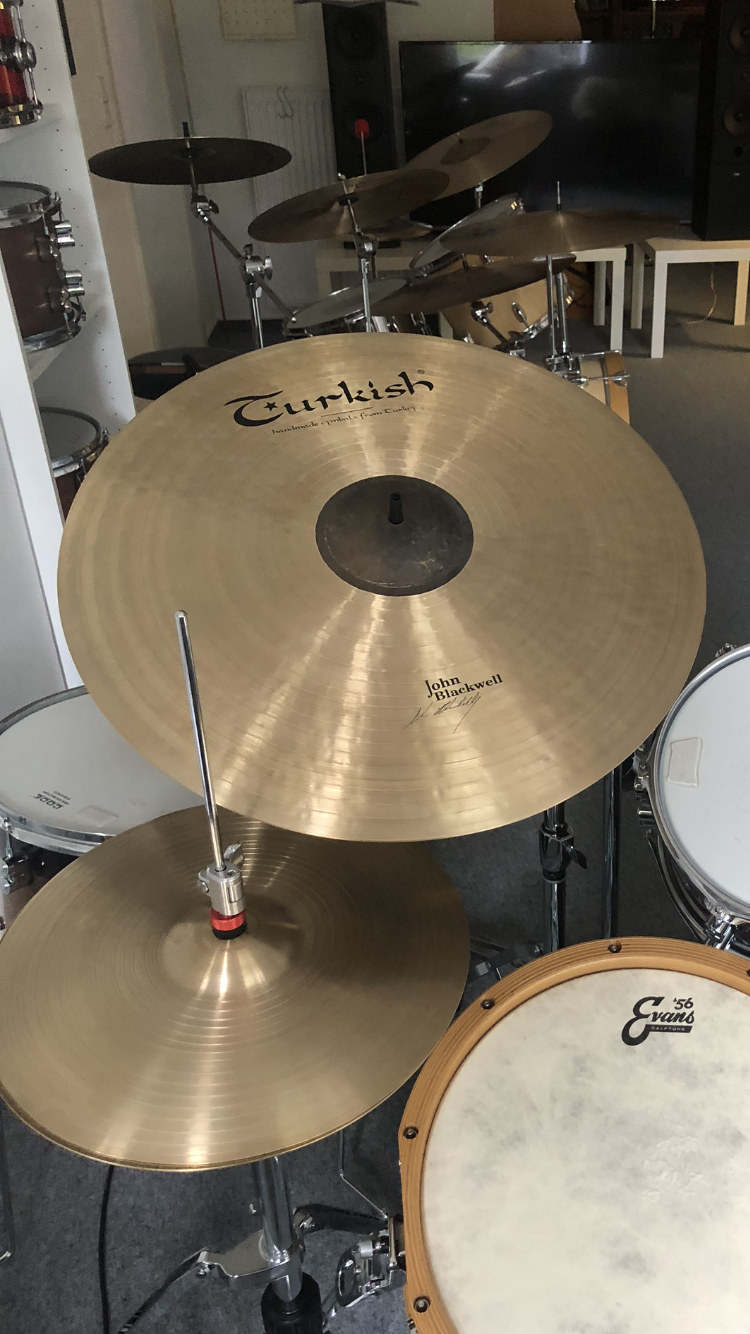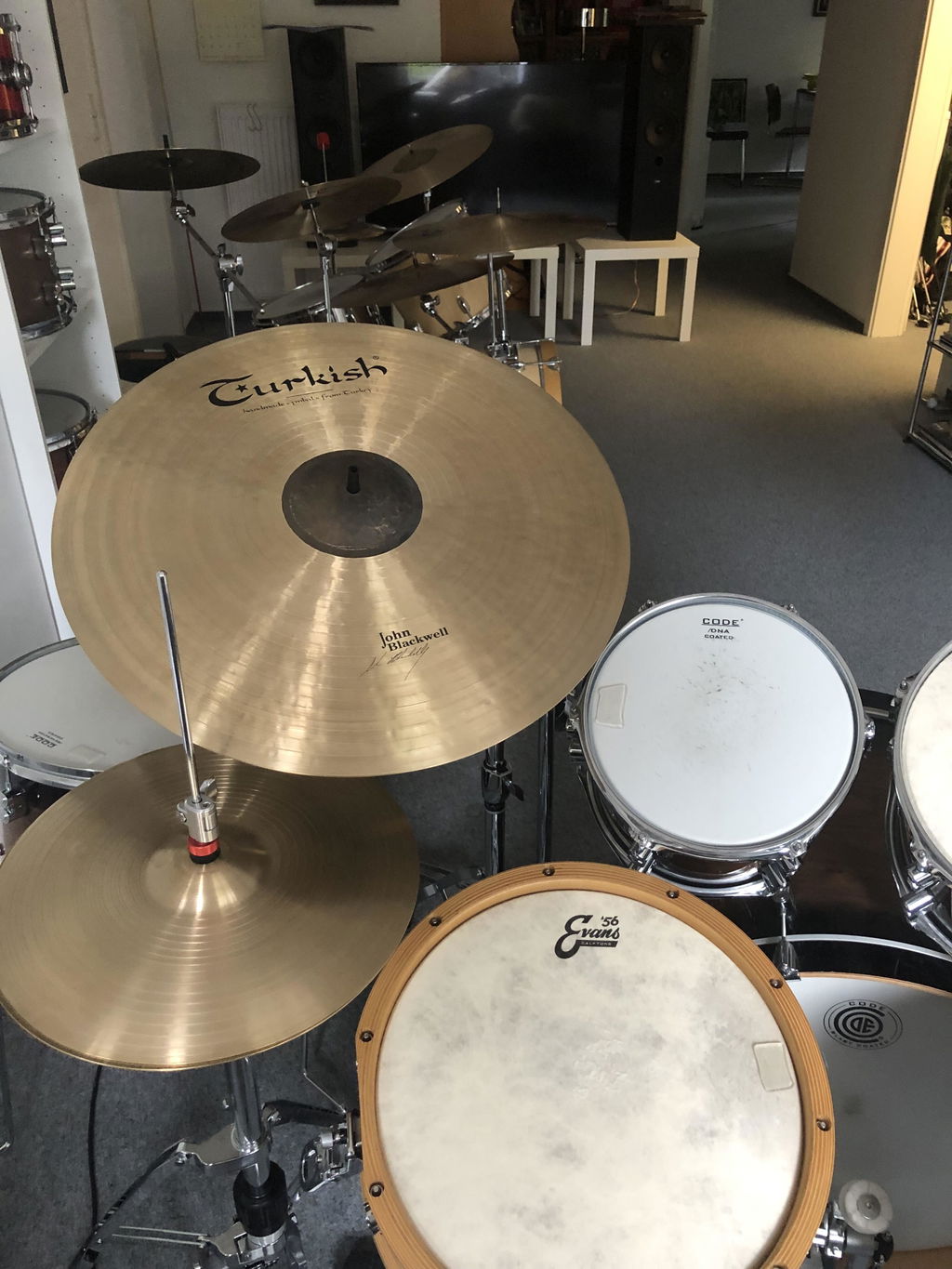



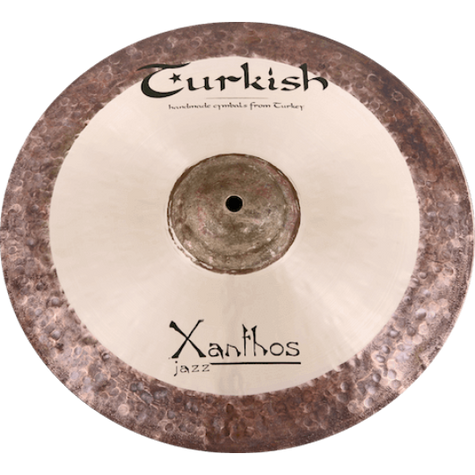
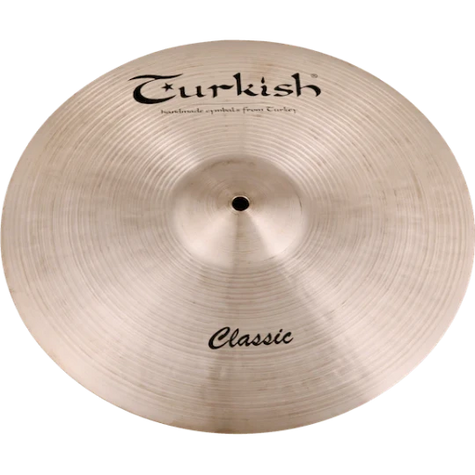
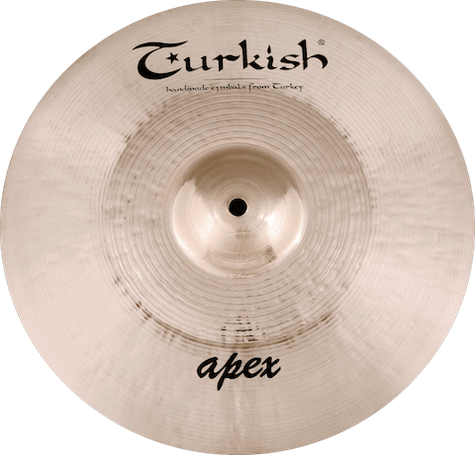
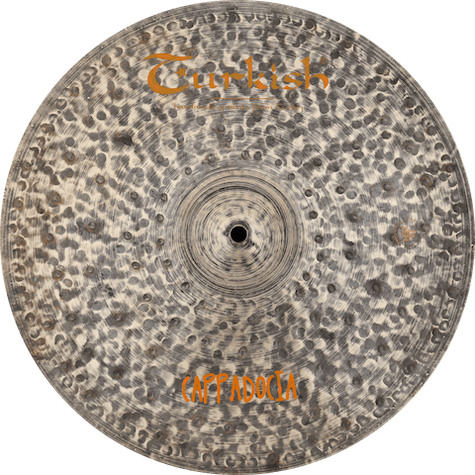
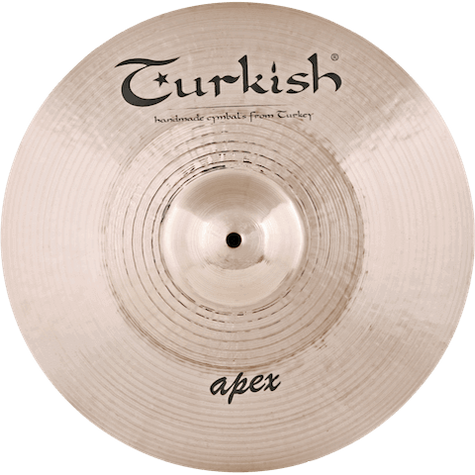
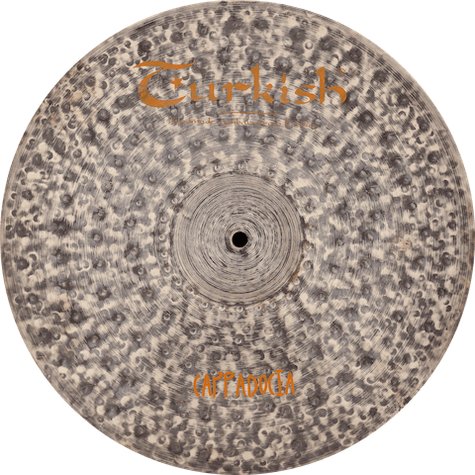
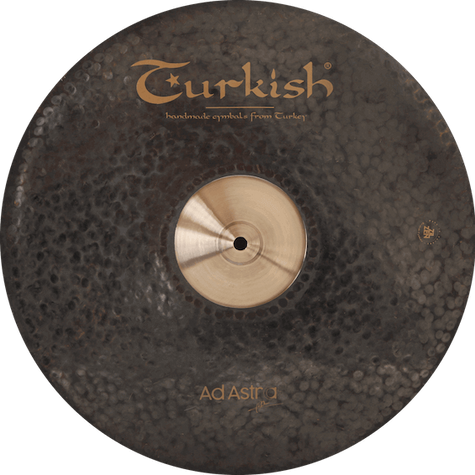
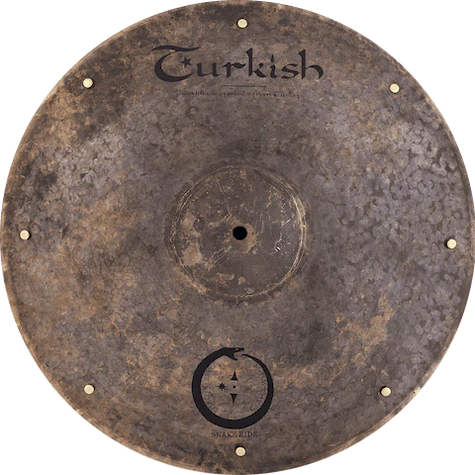
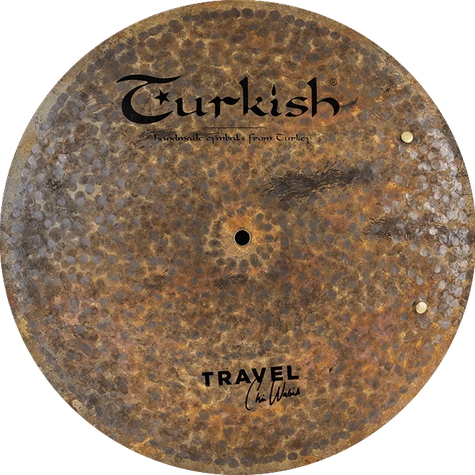
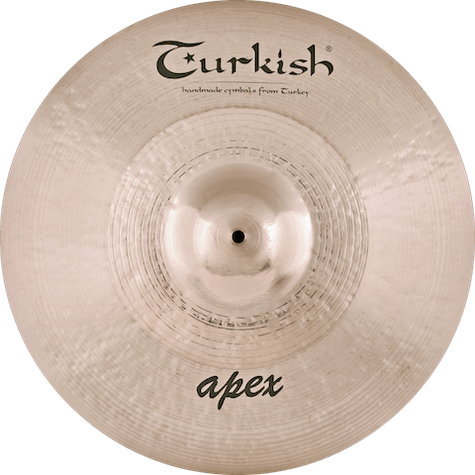
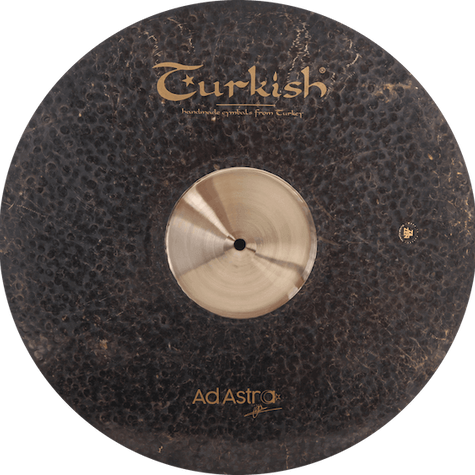
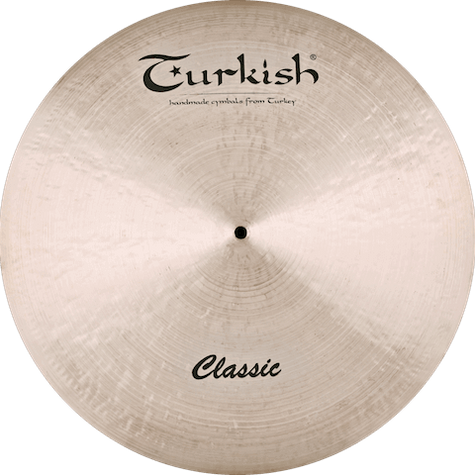


Testing cymbals online – is that even possible? A cymbal is a very personal instrument, and ideally you'd play it yourself before buying. In an online shop, you can't do that. That's why we have Cymballand Virtual: a site where you can listen to cymbals from our range before you order. In this article you'll find out how Cymballand Virtual works, how to listen effectively online, where the limits of a recording lie and how we support you when you buy.
What is Cymballand Virtual?
Cymballand is a small family business from Berlin and has been the official distributor of Turkish Cymbals in Germany since 2015. The idea for Cymballand Virtual came from our founder Bülent Ecevit Albayrak, who has been playing Turkish Cymbals for more than 25 years and has been a Turkish Cymbals artist since 2000. The platform was programmed by a developer friend, who worked on it for about a year. Cymballand Virtual has now been online for almost ten years.
Bülent recorded all the cymbals on the platform himself. The recordings were made in the studio of Florian Schack, drummer and teacher at Drum Trainer Berlin. No plugins and no effects were used – you hear the natural sound of the cymbals, with no processing afterward. Because the same drummer recorded all the cymbals in the same studio and nothing has been sweetened, what you mainly hear when comparing are the differences between the cymbals themselves.
How Cymballand Virtual works
On Cymballand Virtual you choose a cymbal and play it online. You have these options:
- Edge: This is how the cymbal sounds when it's struck on the edge.
- Bell: You play the bell separately. This matters especially with rides, because you use the bell for accents and patterns.
- Hi-hat open and closed: With hi-hats, you hear both sounds individually.
- Favorites: You add the cymbals you're interested in to your favorites. Then, in the same window, you click through them one after another. One cymbal sounds at a time; the next click switches to the next one.
Cymballand Virtual is deliberately kept simple: the focus is on the basic sound of each model. You can't play several cymbals at the same time or side by side.
How to listen properly online
How much the recordings tell you depends a lot on how you listen. With a few simple habits, you'll get much more out of them.
Headphones or good speakers
Laptop and phone speakers only partly reproduce a cymbal's body and its decay. Use good headphones or decent speakers and listen in a quiet room. With headphones you can also follow the decay right to the end – exactly the part where dry and open cymbals differ most clearly.
Judge edge and bell separately
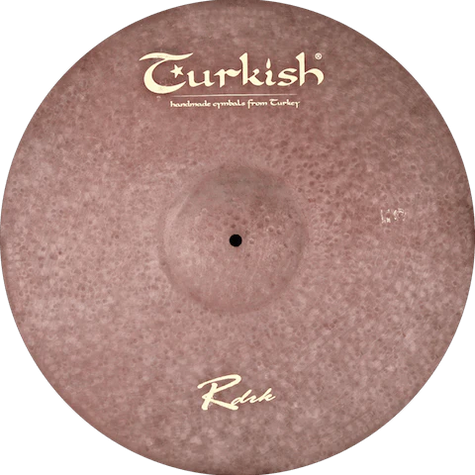
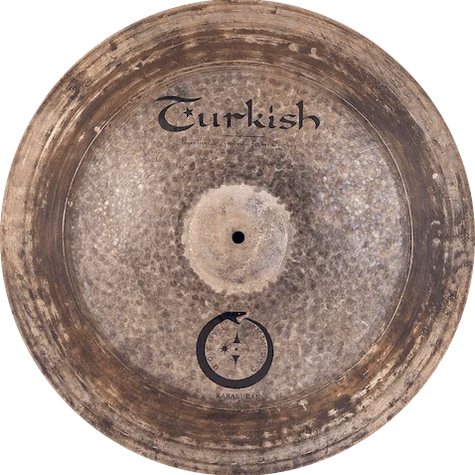
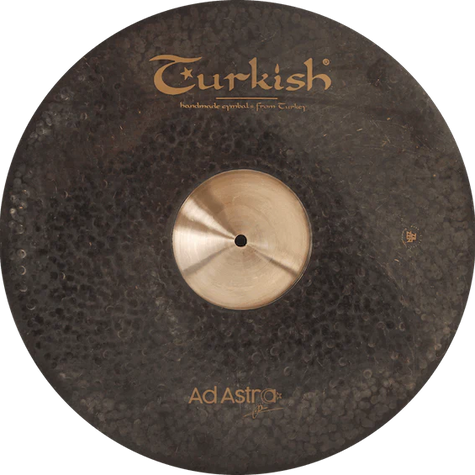
Listen to the edge and the bell individually and ask yourself for each sound: Is the attack bright or dark? Does the cymbal die away dry, or does a long tail build up? On a ride, listen for the wash at the edge and, at the bell, for how clearly it comes through. A good example of this difference is the ride from the Raw Dark series: on the bow it sounds dry, with a dark wash and a short sustain, while its large bell sounds deep, powerful and clear. If you don't have a particular series in mind yet, you'll find all models sorted by type under Ride cymbals.
Hi-hat: closed and open
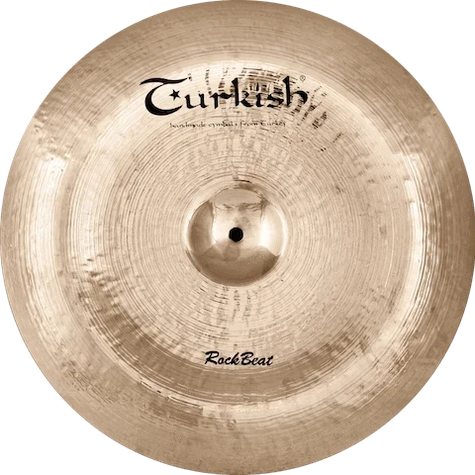
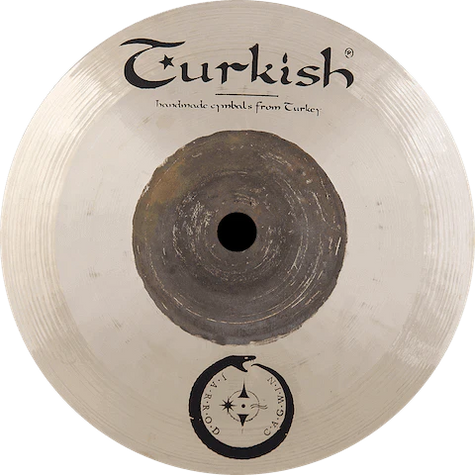
Played closed, a hi-hat shows how defined its stick sound is. Open, you hear how wide the wash is and how bright or warm. This is where differences between the series quickly become clear: on the hi-hat from the Rock Beat series, stick strokes on the closed hi-hat sound clear and precise, while opening it up gives you a wide, bright wash. The hi-hat from the Vintage Soul series, by contrast, sounds soft and defined when closed, and its open wash is warm and balanced.
Compare favorites one after another – at a similar volume
Add the models you're considering to your favorites and play them directly one after another in the same window. That way the previous sound is still fresh in your ears. Two rules help:
- Keep the volume similar. Whatever sounds louder almost always seems better on first listen – even if it isn't the more suitable cymbal. Set your volume once and don't change it while comparing. The recordings on Cymballand Virtual are level-matched, so you don't need to adjust anything between cymbals. That way you're comparing the tone, not just the level.
- Compare like with like. Crash with crash, ride with ride, ideally in a similar size.
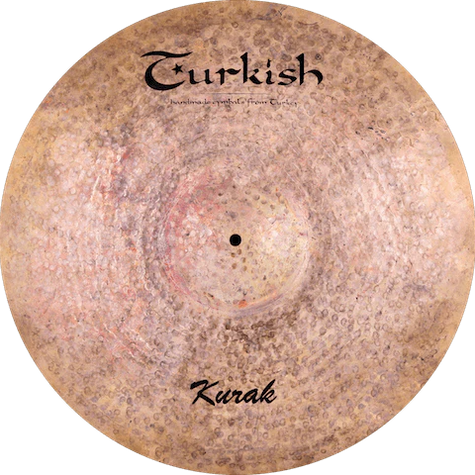
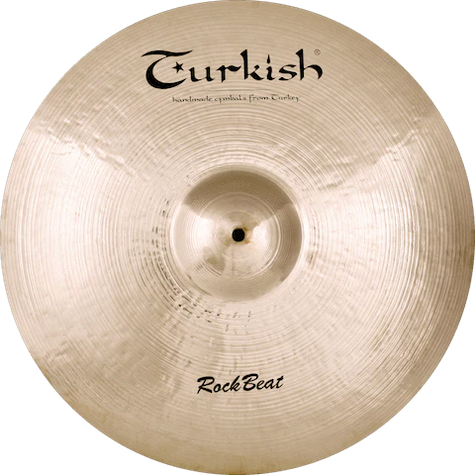
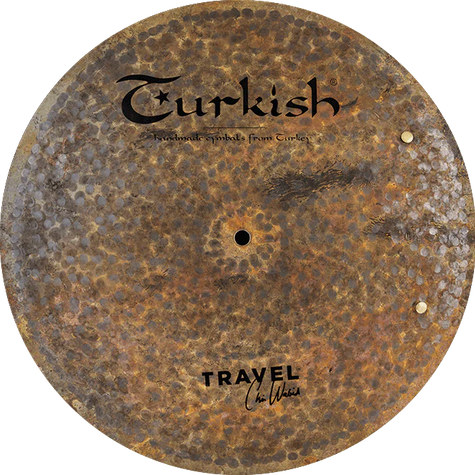
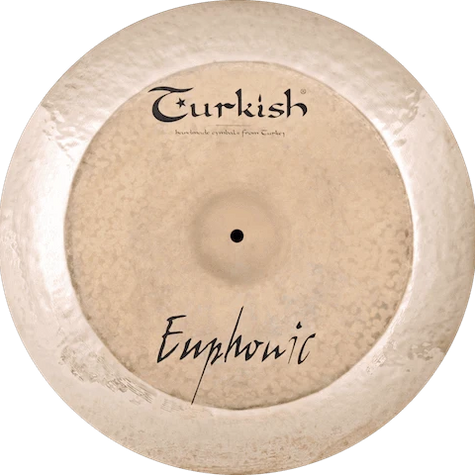
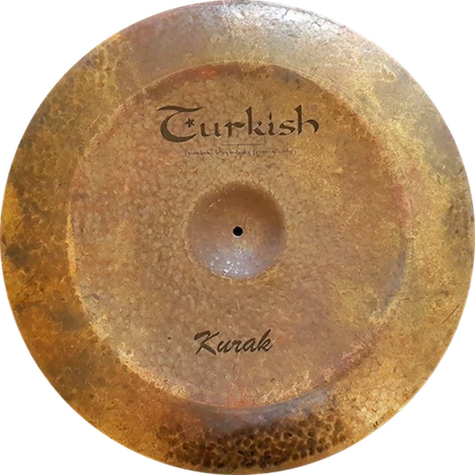
Two crashes make a good example of a clearly audible difference: the crash from the Kurak series is raw and unlathed on both sides and sounds dark, earthy and dry, with a controlled decay. The Rock Beat Crash is lathed and polished to a mirror finish; it sounds bright and rings out for a long time. Played directly one after another from your favorites, differences like these jump out at you immediately.
Listen more than once, with fresh ears
A first impression is valuable, but it isn't always the best one. Listen to your shortlist again on another day and picture your own music while you do: Does the cymbal suit your band, your room, the cymbals you already play? Note down in your own words what you like and what bothers you. That helps you decide, and it also helps when you ask us for advice.
Honest limits: what a recording can't show
Cymballand Virtual makes shortlisting much easier, but it doesn't completely replace playing a cymbal yourself. Here's what you should know:
- Feel: How a cymbal feels under your stick and how it reacts to your dynamics is something only you can experience.
- Your playing style: You hear how Bülent plays the cymbals. With your own technique, or with brushes or mallets, you'll draw other colors out of them.
- Room and band: In the rehearsal room, on stage and together with guitars and bass, a cymbal sounds different than it does in a studio recording.
- Handmade: Almost all Turkish Cymbals series are hammered by hand, and hand-hammered cymbals sound slightly different even within the same model. The recording shows you the character of a model, not every nuance of the cymbal you'll eventually own.
- Your playback: Headphones and speakers color the sound too. So listen to all your favorites through the same headphones or speakers.
If you get the chance to try cymbals in person somewhere, our article Cymbal soundcheck: how to test cymbals properly has tips on what to pay attention to.
Advice, warranty and warehouse visits
Even with the best shortlist, a question sometimes remains. That's what we're here for:
- Personal advice: If you're torn between two models, get in touch. Bülent will advise you personally and help you find the right cymbal for your music.
- Few returns: Our return rate is around 1%.
- Manufacturing defects: We replace cymbals with a manufacturing defect immediately. There's also a warranty of up to two years.
- Shipping: We ship from Berlin across Europe and worldwide.
- Other drummers' experiences: More than 190 reviews give an average of 4.9 out of 5 stars.
We don't have a showroom. If you'd rather come by in person, you can visit our warehouse in Berlin by appointment.
Conclusion
Testing cymbals online doesn't replace every impression you get with a stick in your hand. But with recordings free of plugins and effects, the edge and bell individually, hi-hats open and closed, and the option to compare your favorites in the same window, you can narrow down your choice systematically. Grab good headphones, some time and two or three candidates. And if you're still torn between two cymbals afterward, we're happy to help. The best place to start is right on Cymballand Virtual.