


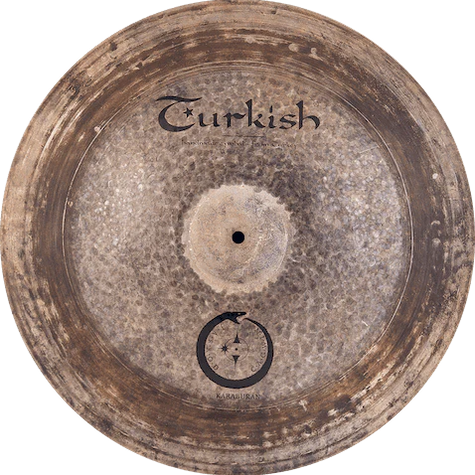
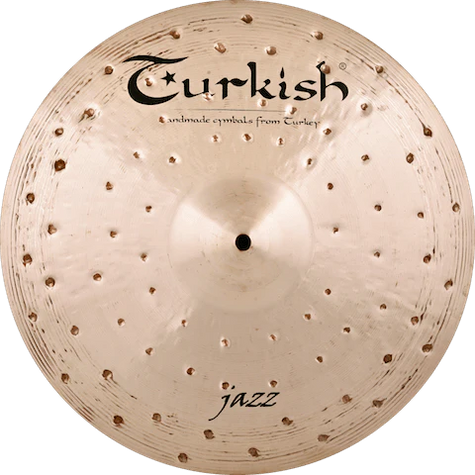
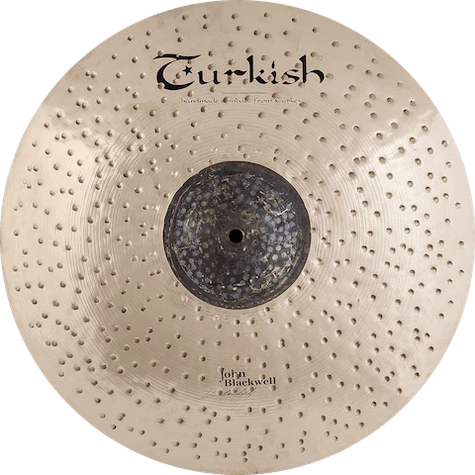
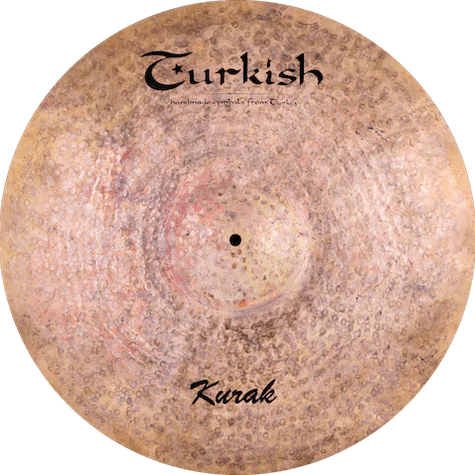
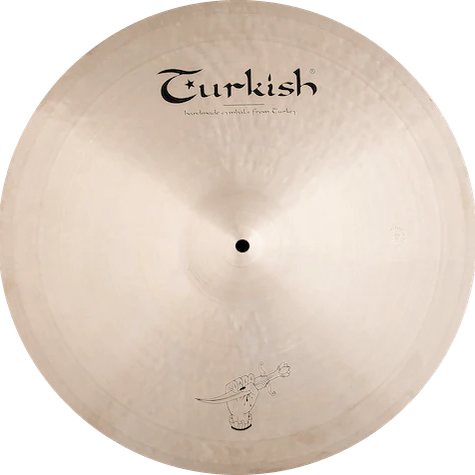
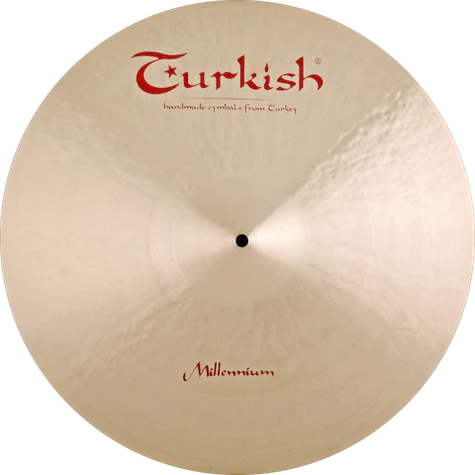
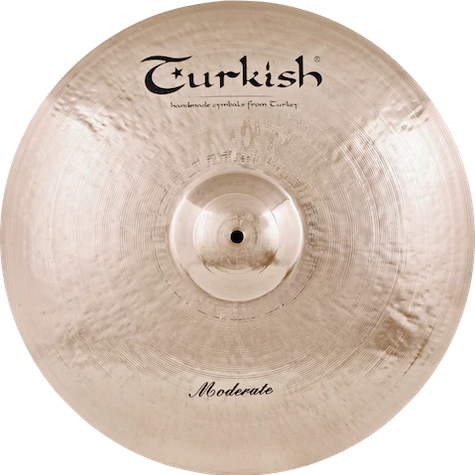
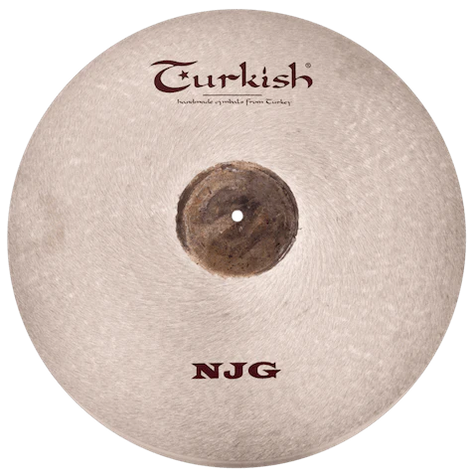
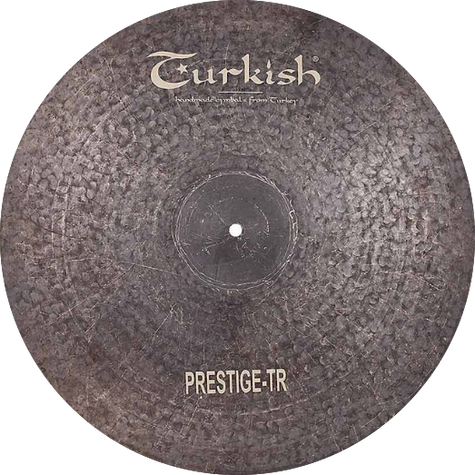
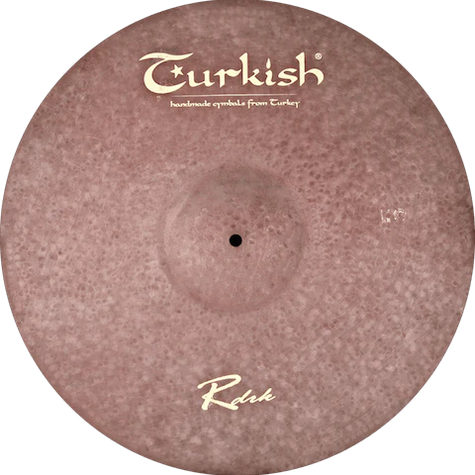
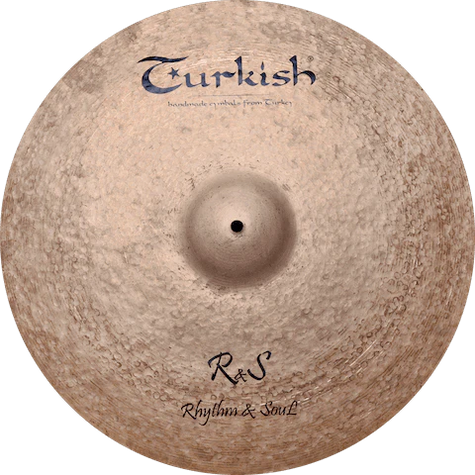
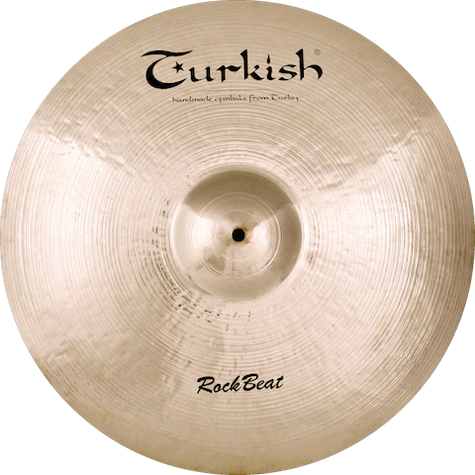
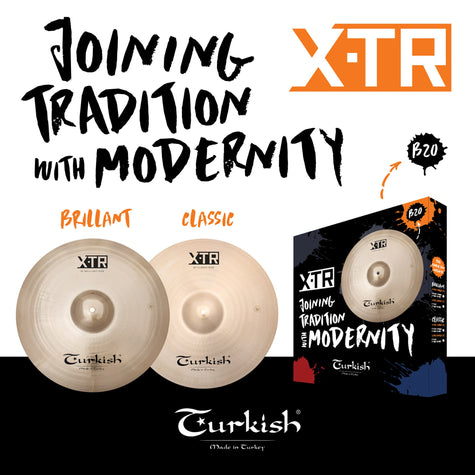
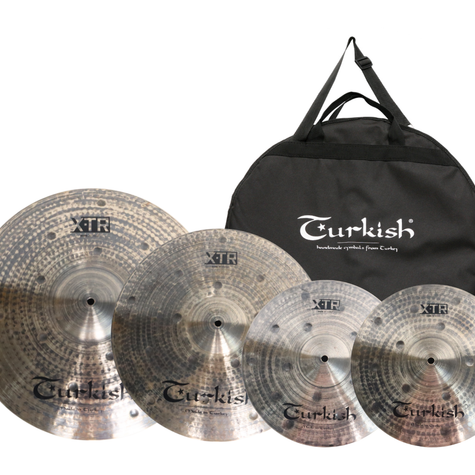
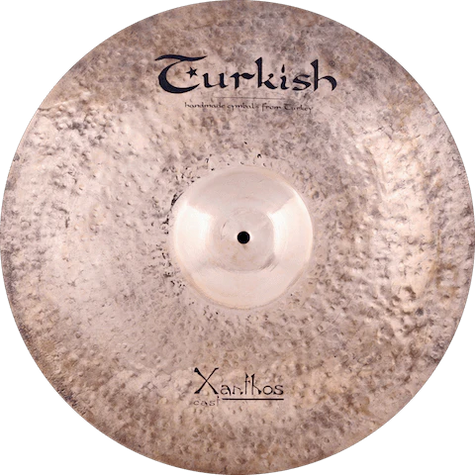
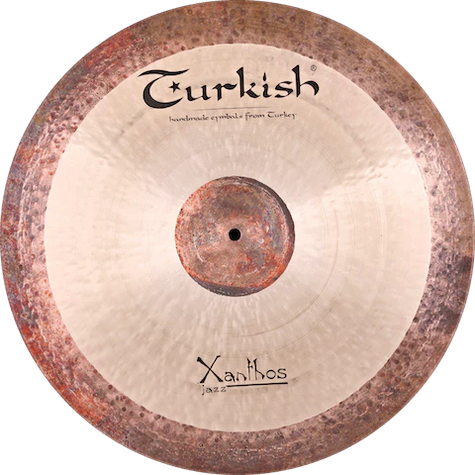
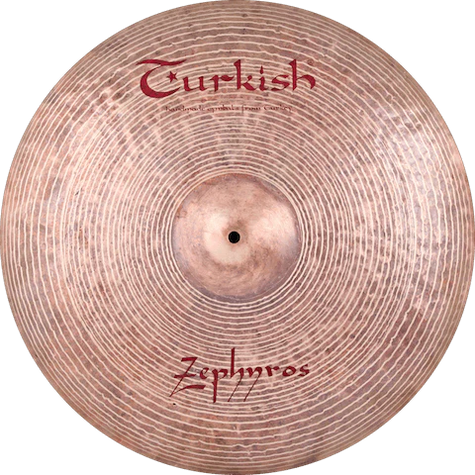
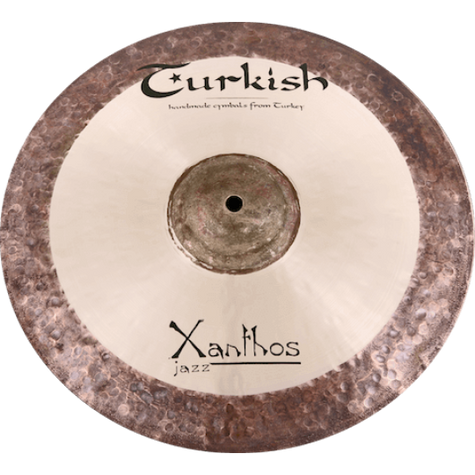
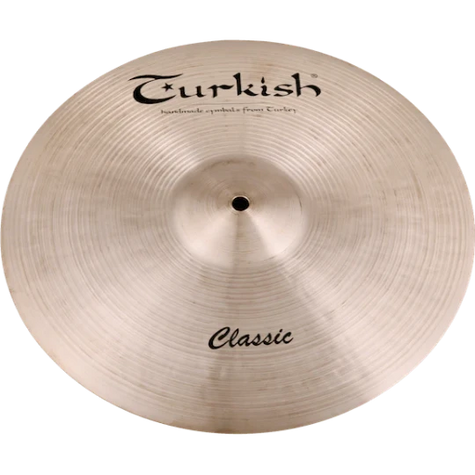
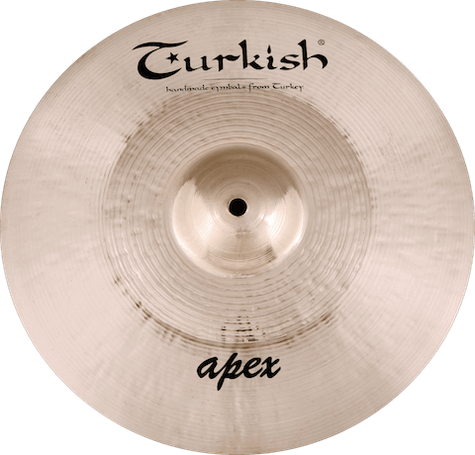
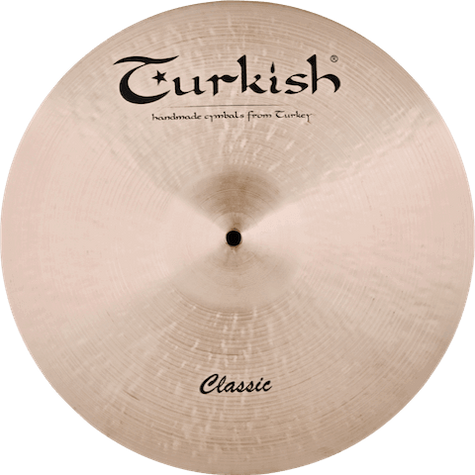
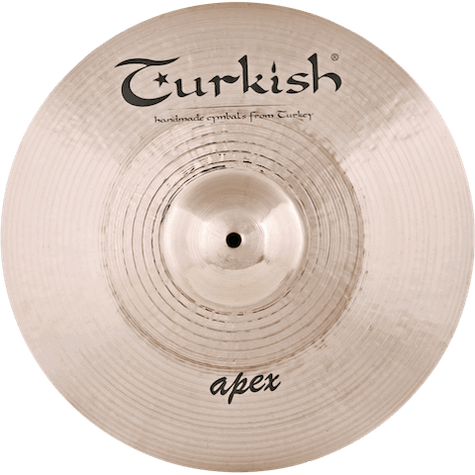
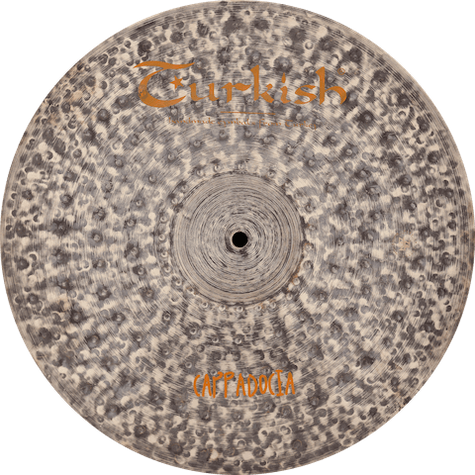
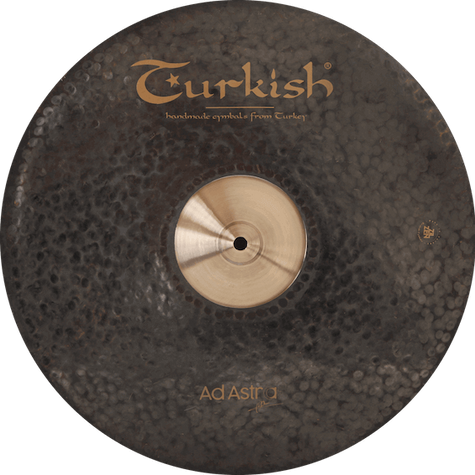
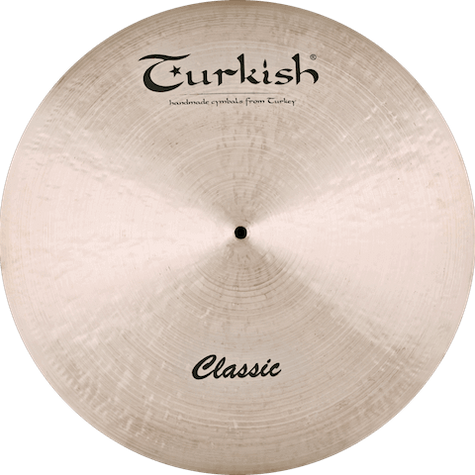
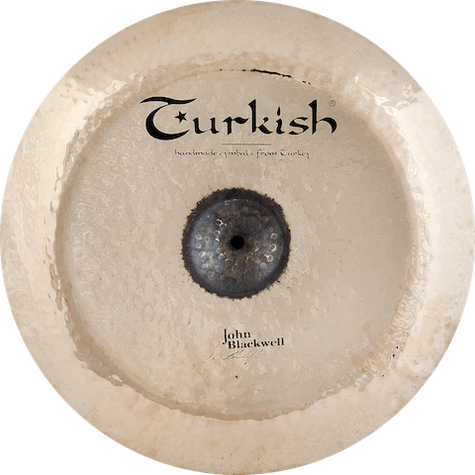
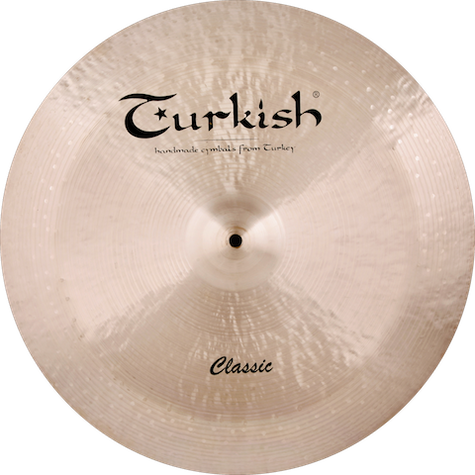
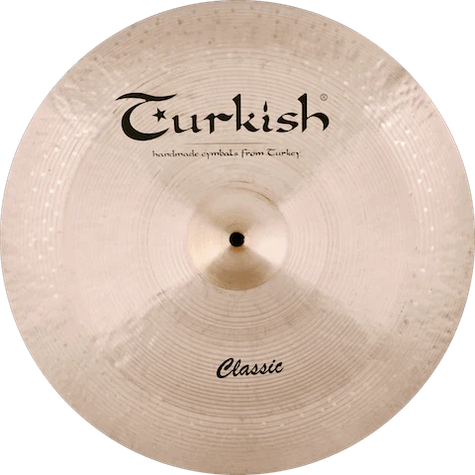
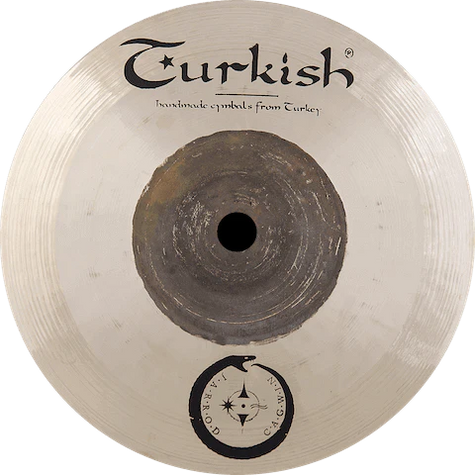
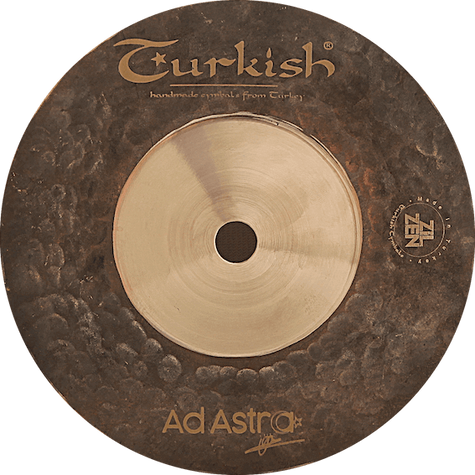
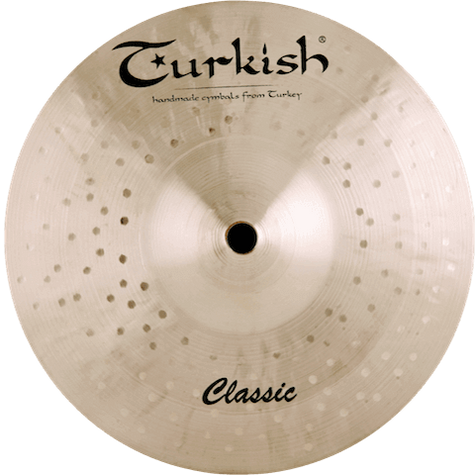
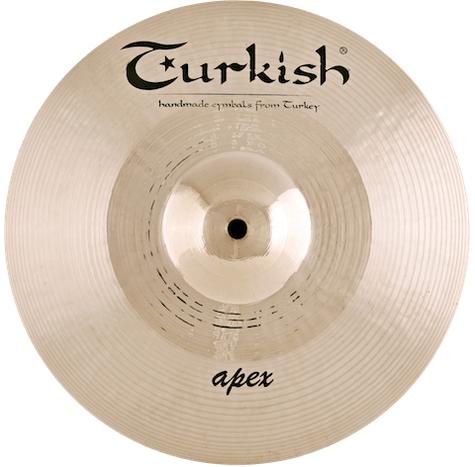
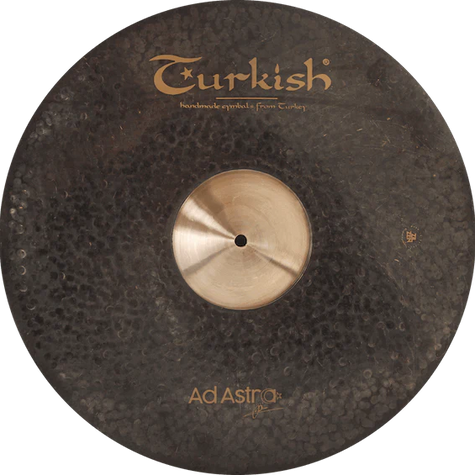
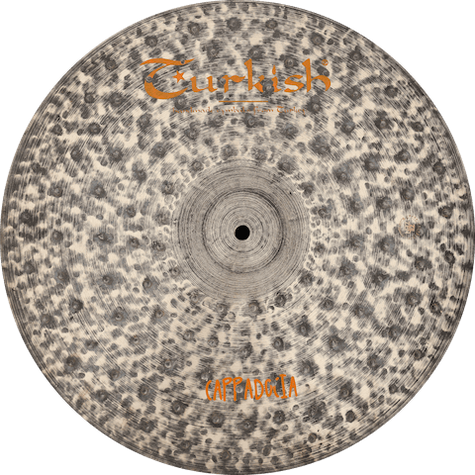

Both come from Turkey. Both are hand-hammered from B20 bronze. Both sound considerably better than their price suggests. So – where exactly is the difference?
If you're torn between Turkish Cymbals and Zultan, you're like many drummers: you want handmade cymbals with character, but you also want to know what you're paying for. This comparison makes exactly that transparent – without marketing fluff and without talking the other brand down. By the end, you'll know which cymbals are right for you.
What Zultan and Turkish Cymbals Have in Common
Let's start with what connects them – because honestly, it's quite a lot:
- B20 bronze (80% copper, 20% tin) – the classic bell bronze for high-quality, hand-hammered cymbals.
- Handcraft – hammered and tuned by hand, every cymbal a unique piece.
- Turkish tradition – made in Turkey, where the art of cymbal making has its origins.
So if you think this is a case of "real" versus "fake" Turkish cymbals, you're wrong. Both are handmade B20 cymbals. The difference lies elsewhere – and it's decisive.
Zultan: Strengths and Positioning
Let's say it plainly: Zultan gets a lot right. The brand was founded in 2000 with the goal of offering handmade Turkish cymbals at a fair price – and that's exactly what it delivers. Zultan is Thomann's house brand and is sold exclusively there.
The advantages are obvious:
- Strong value for money – especially in the entry-level and mid-range segments.
- Immediately available through Europe's largest music retailer, with its returns and warranty handling.
- A broad range of series covering the common styles.
Who is Zultan the right choice for? For drummers who put price and fast, uncomplicated availability first. That's a perfectly legitimate priority – and for many, the right one.
Turkish Cymbals at Cymballand: The Difference
Turkish Cymbals is not a retail label but a manufacturer with its own name and its own signature. At Cymballand, as the official distributor in Germany, you get the complete range – straight from the workshop. That brings three concrete differences:
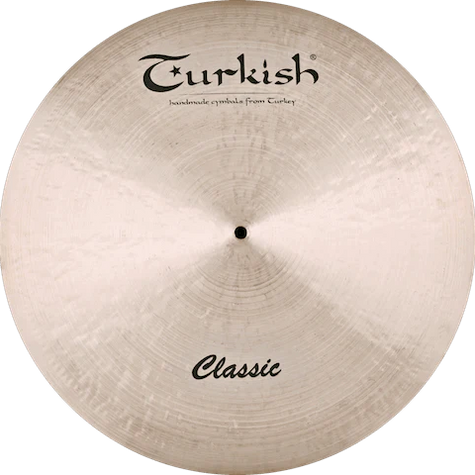
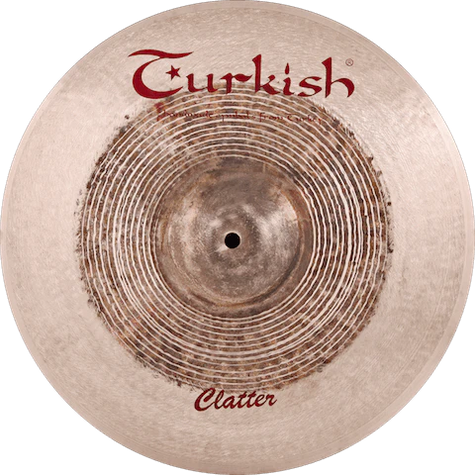
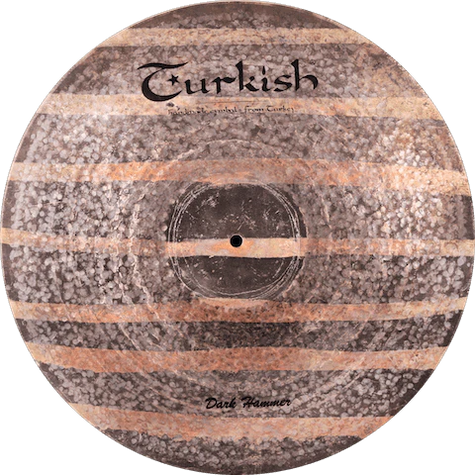
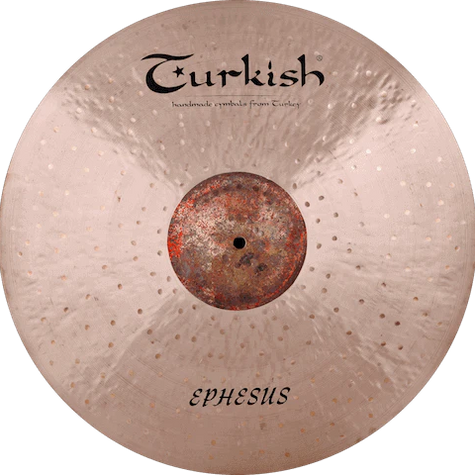
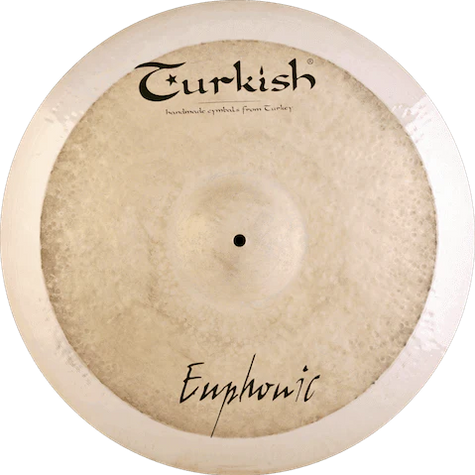
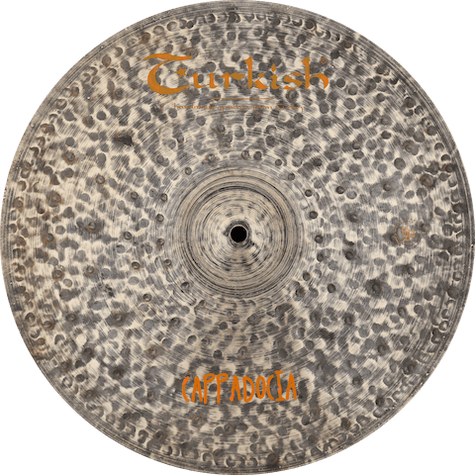
1. Series variety and character. Turkish Cymbals offers considerably more series with clearly distinguishable sound profiles – from dark and dry through vintage-warm to brilliant and cutting. You're not picking from a handful of lines; you're finding the character that fits your music exactly.
2. Custom sizes and weights on request. This is something hardly any other supplier offers in this form: need a size or a weight/thickness variant of a series that isn't in the shop? Just ask us – we'll have it made for you. With an off-the-shelf retail label, that's simply not possible.
3. Personal advice. Cymballand is run by a drummer who has played Turkish Cymbals himself for over 20 years. You're not talking to a call centre, but to someone who knows these cymbals and can tell you which one suits your style.
On top of that: fair prices, free shipping within the EU and up to 2 years' warranty.
Try Them Online: Cymballand Virtual
Both Zultan (via Cymbot) and Cymballand let you play cymbals online – and both are comparably realistic. With Cymballand Virtual you can hear almost the entire range, add cymbals to your favourites and compare several models directly in one window – before you decide. Play cymbals online now →
Origin & Transparency: The Real Core
This is where the comparison gets interesting – and we deliberately rely on Thomann's own statements, so nothing remains speculative:
Zultan was founded to import cymbals from – in Thomann's words – "relatively unknown manufacturers" in Turkey. The label itself says nothing about the specific manufacturer of a given series. According to Thomann, the cymbals are made "predominantly in Turkey" – and the Aja series is, by Thomann's own account, the only Zultan series produced in China.
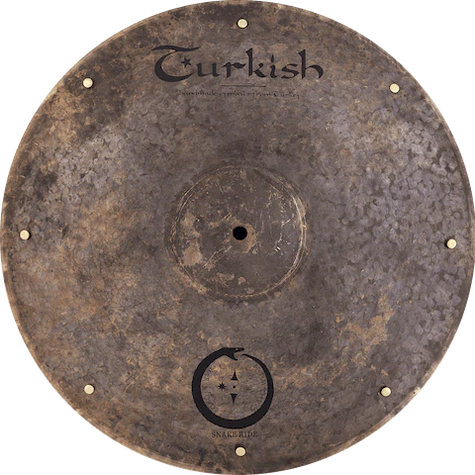
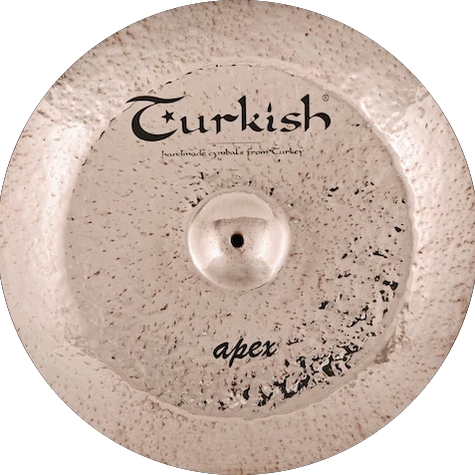
Turkish Cymbals takes the opposite path: every series – from Kurak to Rock Beat – is created in a single workshop in Istanbul, by a permanent team of master craftsmen. The origin of every single cymbal is clear.
This is explicitly not a quality judgement about other brands – hand-hammered B20 cymbals from different sources can sound outstanding. It's a question of transparency: with Turkish Cymbals, you know exactly where your cymbal comes from and who made it.
And from that follows a fair question: if two hand-hammered B20 cymbals come from comparable Turkish workshops but sit far apart in price – where does the difference go? Usually exactly where value is created: in series variety, in the option to have custom sizes and weights made, in personal advice – and in the simple fact that you actually know where your cymbal comes from.
Series Comparison: Which Zultan Series Matches Which Turkish Series?
If you like a Zultan series, you'll almost always find a matching counterpart at Turkish Cymbals – often with more size and weight options. A quick orientation:
| Zultan series | Turkish Cymbals counterpart | Character | Ideal for |
|---|---|---|---|
| Caz | Millennium | Thin, polished, warm and musical | Jazz, fusion, studio |
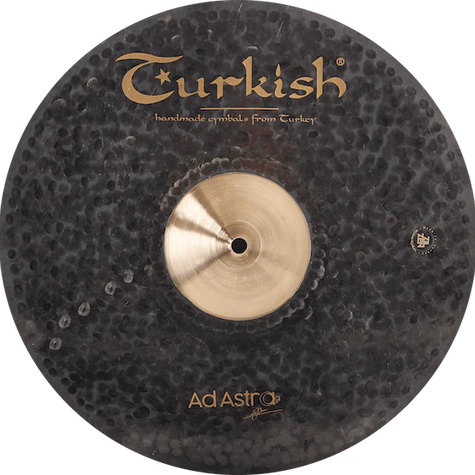
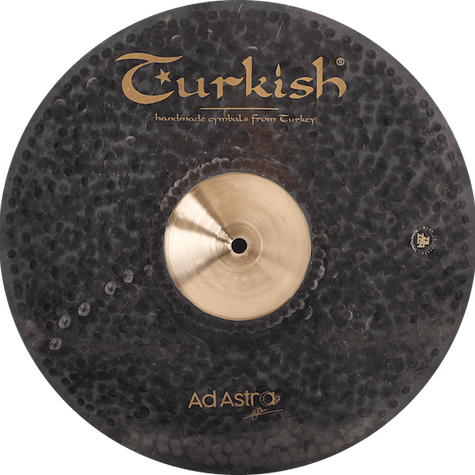
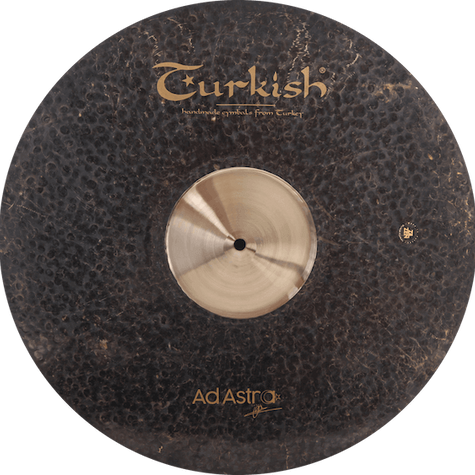
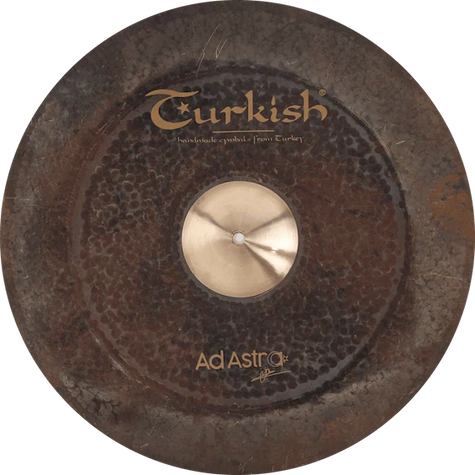
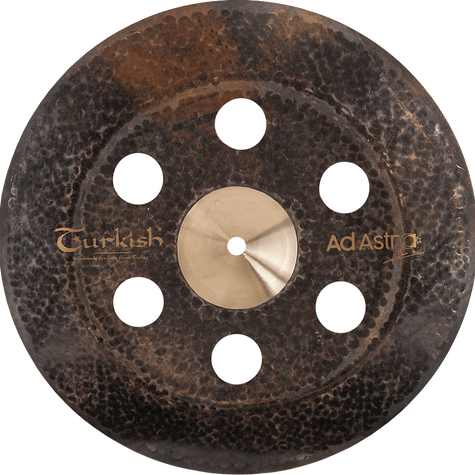
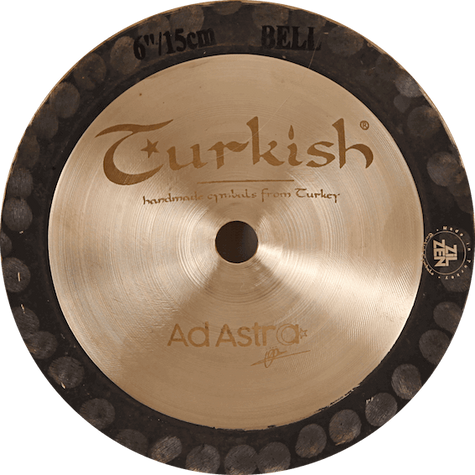
| Dune | Ad Astra | Dark, complex, hand-hammered | Rock, funk, progressive |
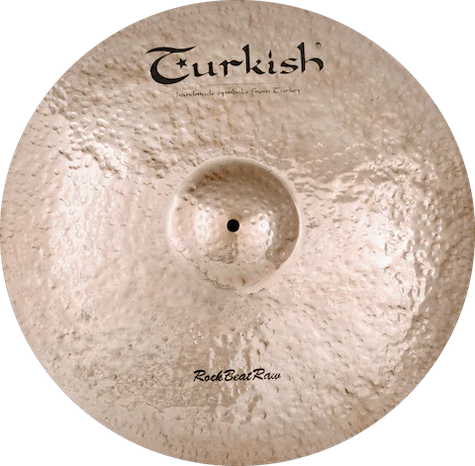
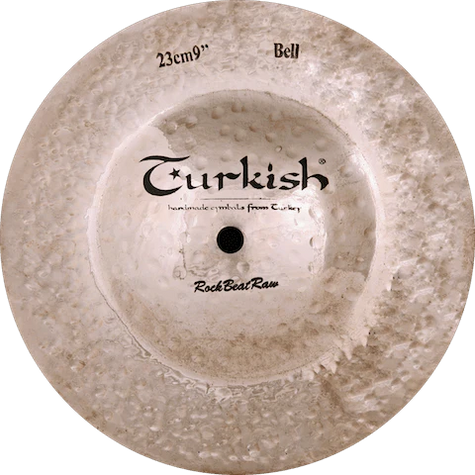
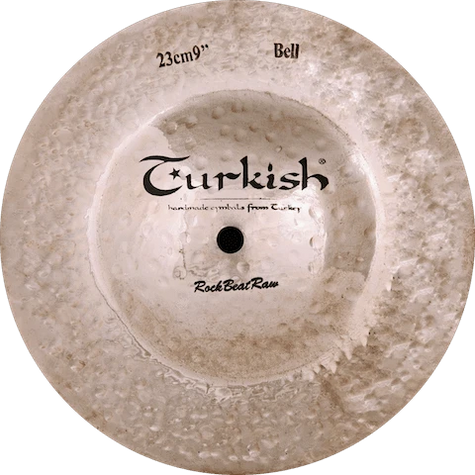
| F5 | Rock Beat Raw | Raw surface, polished; visible hammer strikes, brilliant | Rock, high-volume genres |
| Impulze | Vintage Soul | Vintage look, warm tone, medium-thin | Jazz, funk, soul |
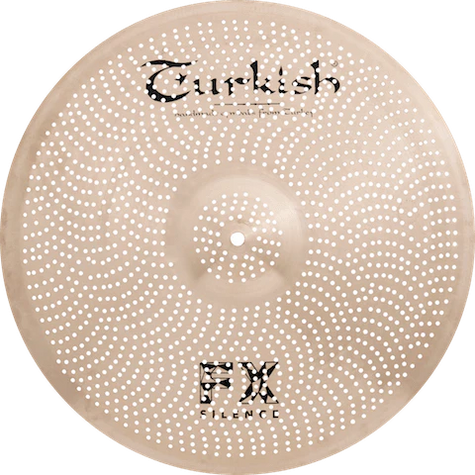
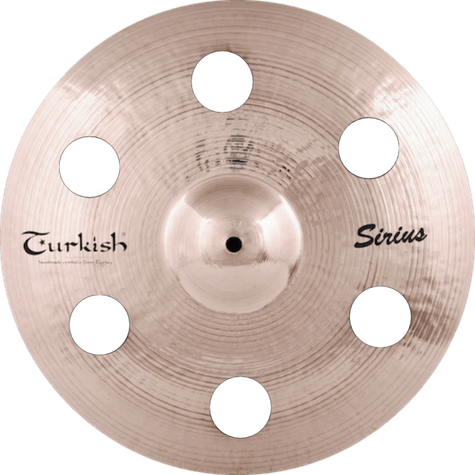
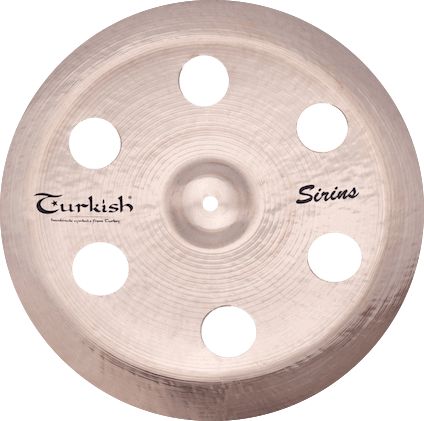
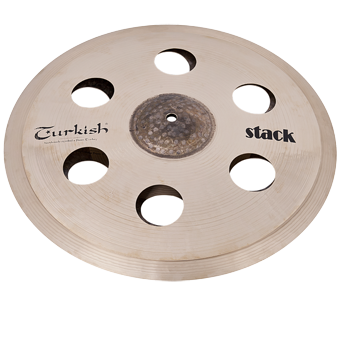
| Mellow | FX Silence | Perforated, up to 50% quieter, authentic playing feel | At home, practice room |
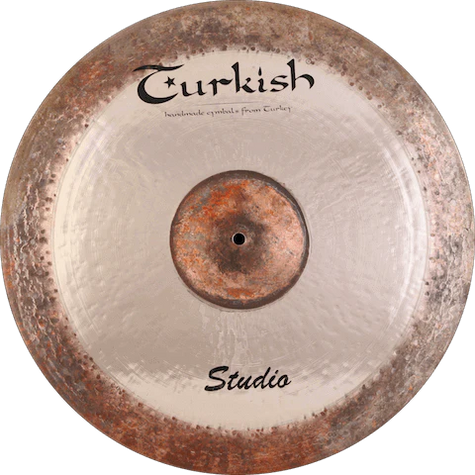
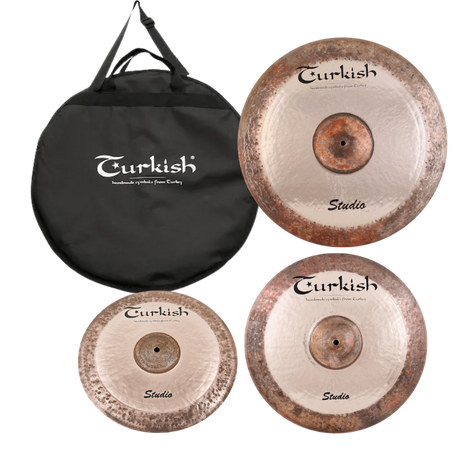
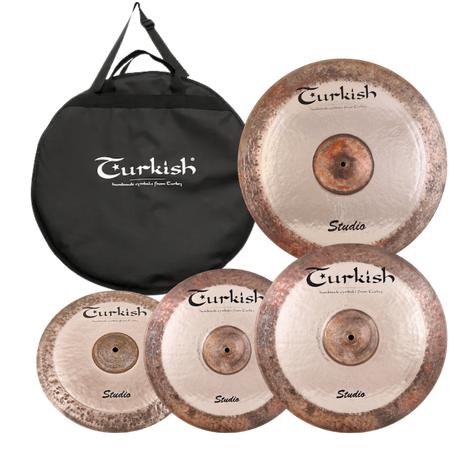
| Q | Studio | Raw bell, earthy attack, brilliant projection | Studio, controlled |
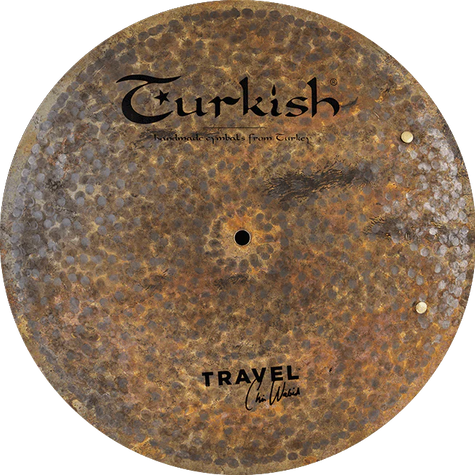
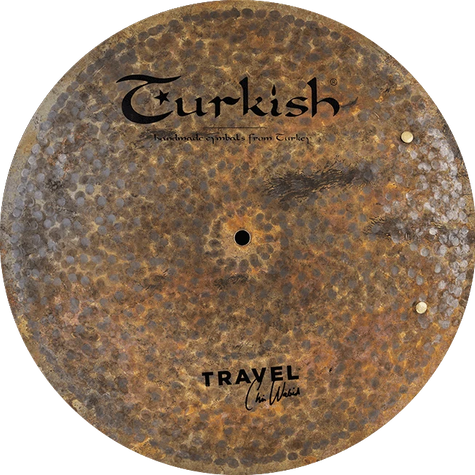
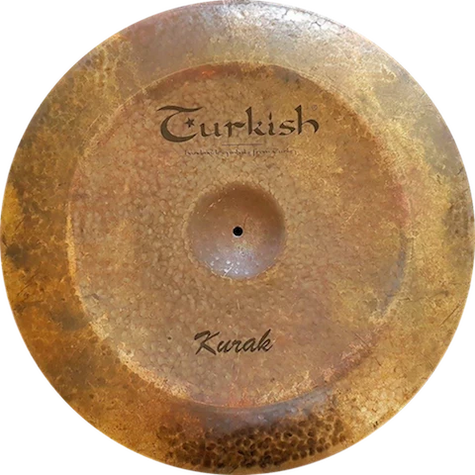
| Raw | Kurak | Raw on both sides, dry, clear stick definition | Jazz, funk, dry sound |
| Rockbeat | Rock Beat | Heavy, mirror-polished, brilliant and cutting | Rock, cutting sound |
Tip: play the series mentioned above on Cymballand Virtual first and compare them directly.
Sound: Dark, Brilliant or Dry?
Roughly, the characters break down like this:
- Dark & warm – for jazz, fusion and quiet stages: Millennium, Vintage Soul, Ad Astra.
- Dry & earthy – for controlled, short sounds: Kurak, Studio.
- Brilliant & cutting – to cut through distorted guitars: Rock Beat, Rock Beat Raw.
You can read more about how different bronze alloys shape the sound in our article B8 vs B20 – How Alloy Shapes Your Sound.
Price, Availability & Value
Zultan plays in the entry-level to mid-range segment; Turkish Cymbals at Cymballand sits in the premium range at a fair price. Beyond the pure numbers, it's worth looking at value: with the budget option you generally get less series variety, no custom-size manufacturing and no information about origin. With the premium option you get full transparency, a broad sonic spectrum, made-to-order manufacturing and personal advice.
The point is not that one "sounds better" than the other – hand-hammered B20 cymbals are good either way. The point is what you get in addition to the sound.
Conclusion: Which Cymbals Are Right for You?
Zultan is the right choice if your budget comes first, you want one of the common series, and fast availability through Thomann matters more to you than selection and advice.
Turkish Cymbals at Cymballand is the right choice if you value a broad sonic spectrum, want to know the origin of your cymbal, might want a custom size or weight – and appreciate personal advice instead of deciding alone.
Not sure which character fits your music? Play the series on Cymballand Virtual – or simply write to us. We play these cymbals ourselves and will advise you personally.
