

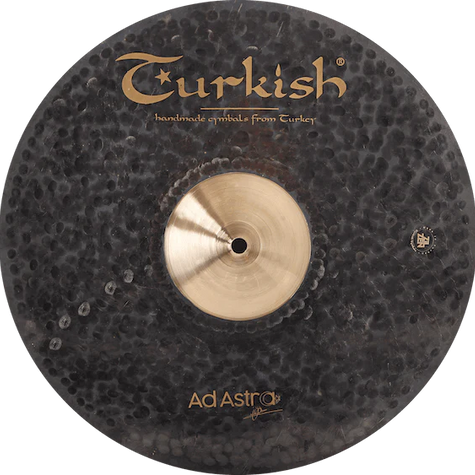
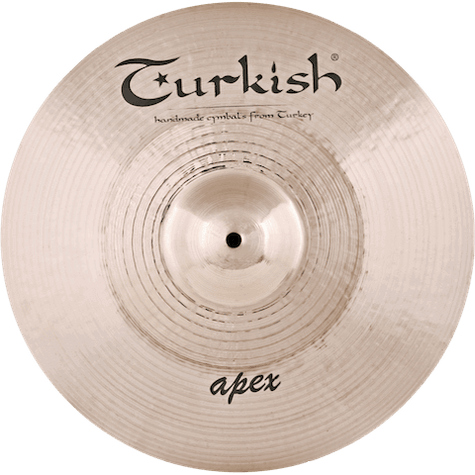
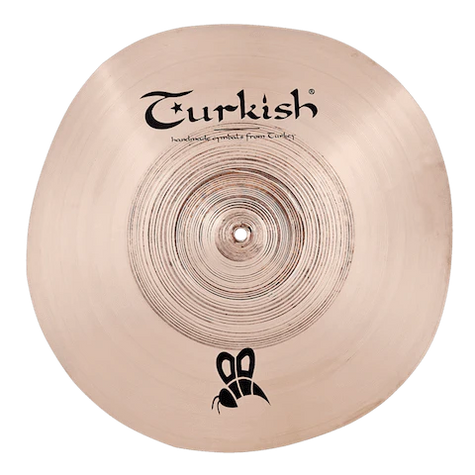
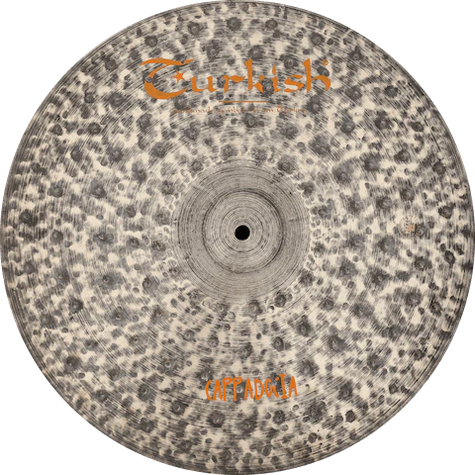
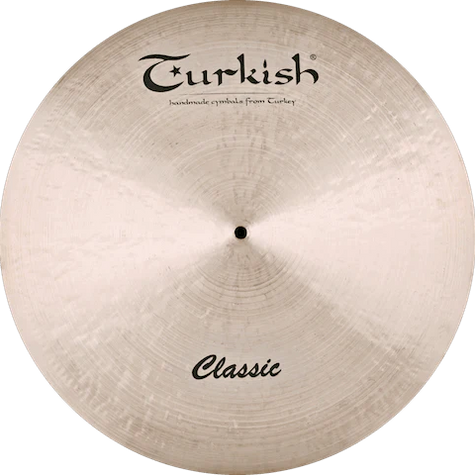

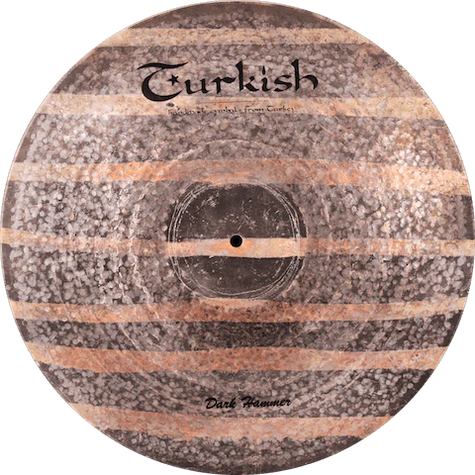
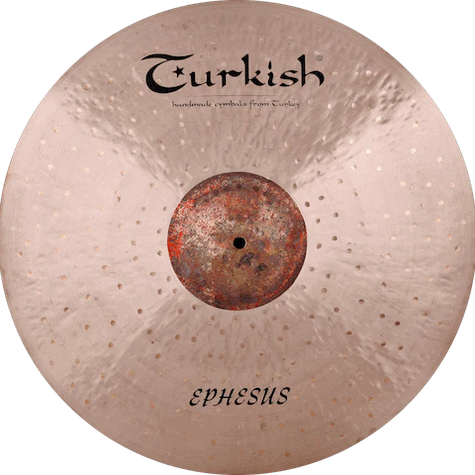
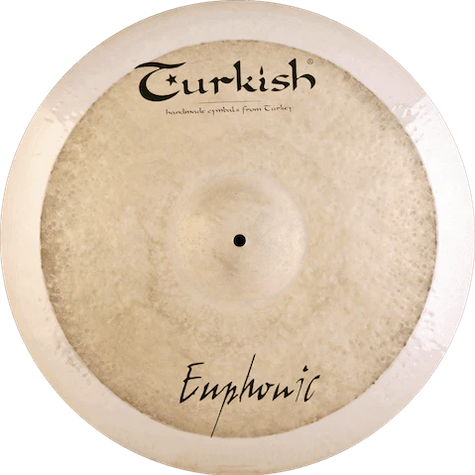
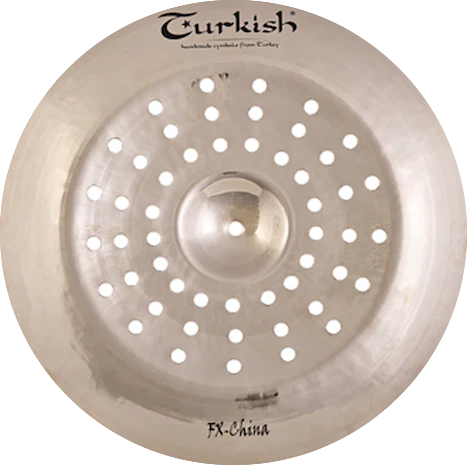
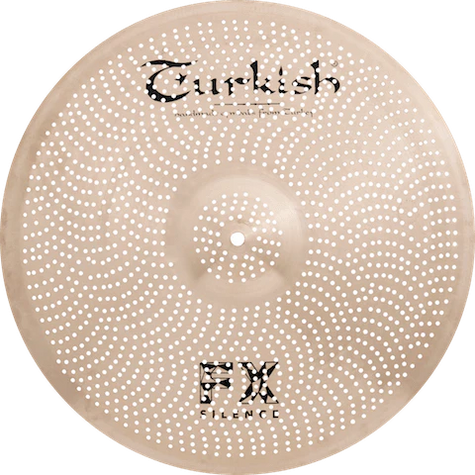
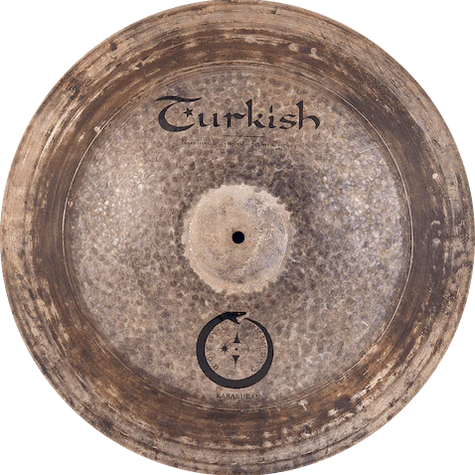
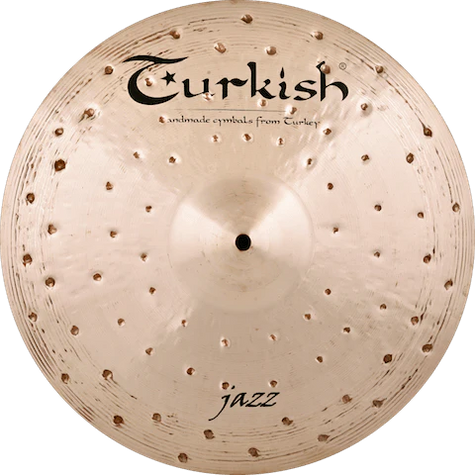
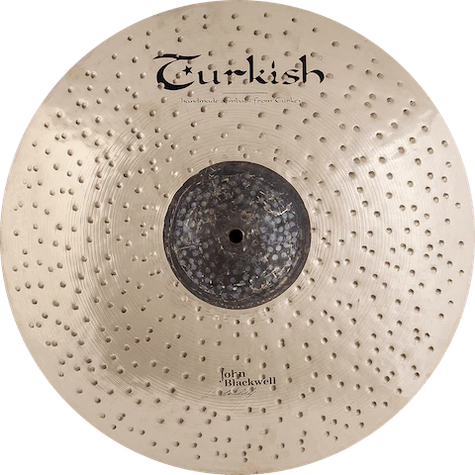
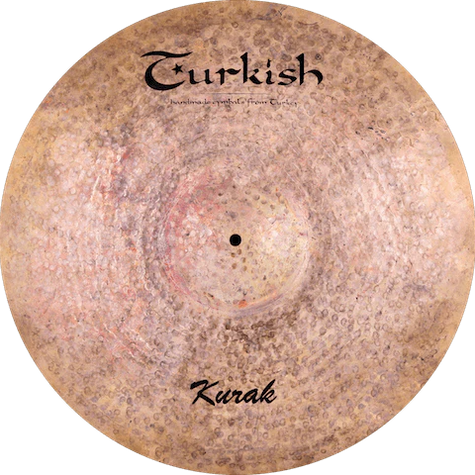
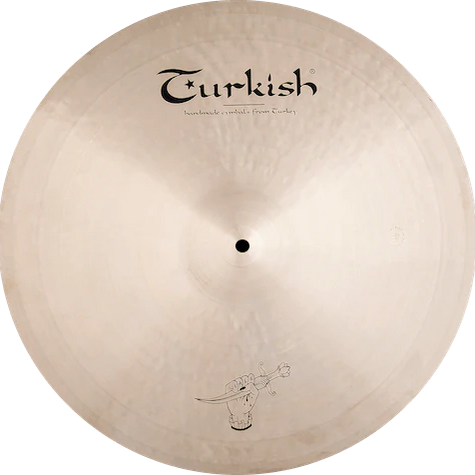
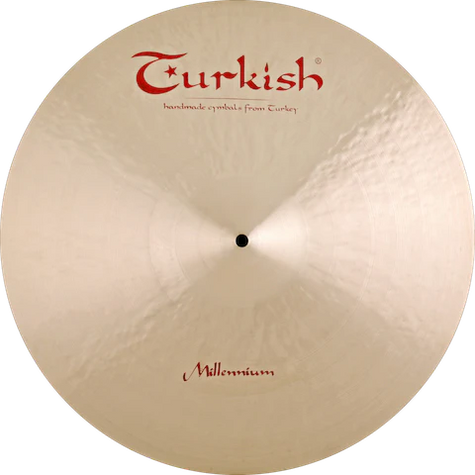
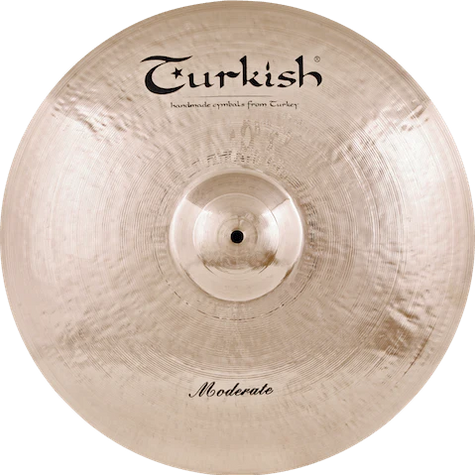
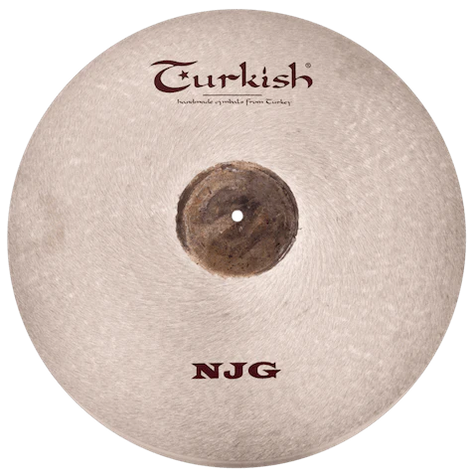
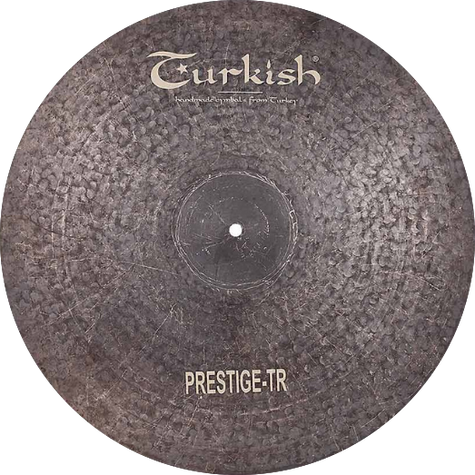
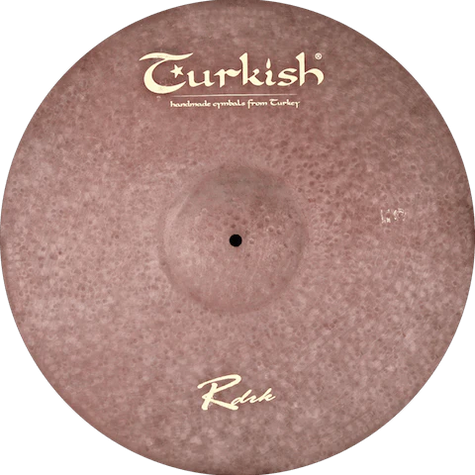
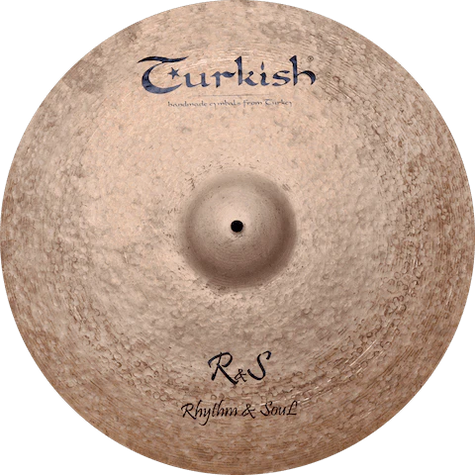
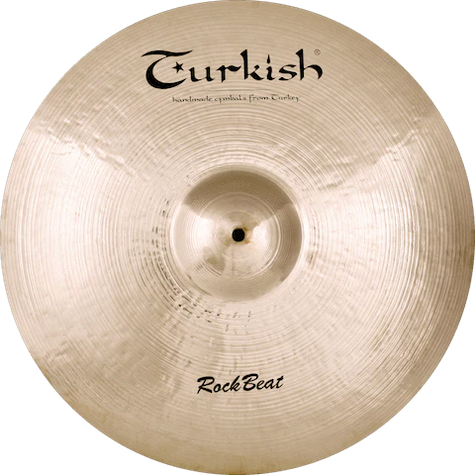
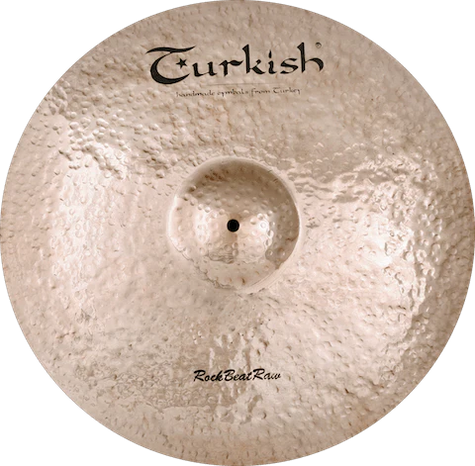
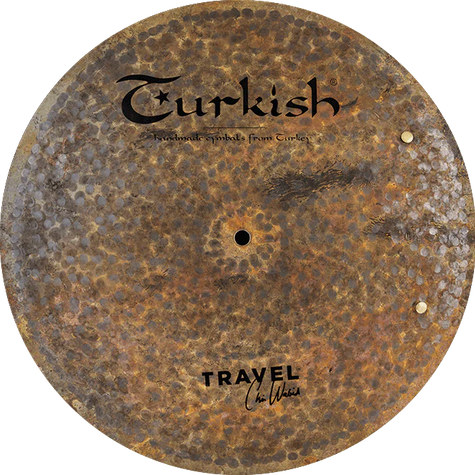
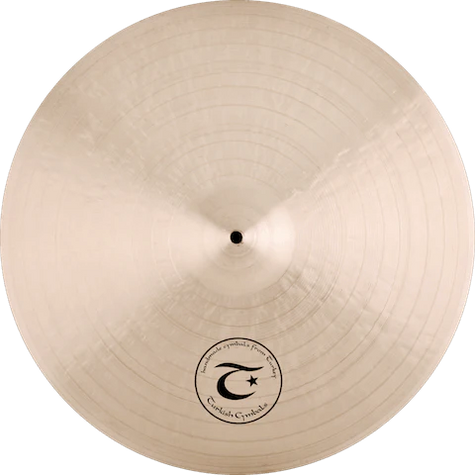
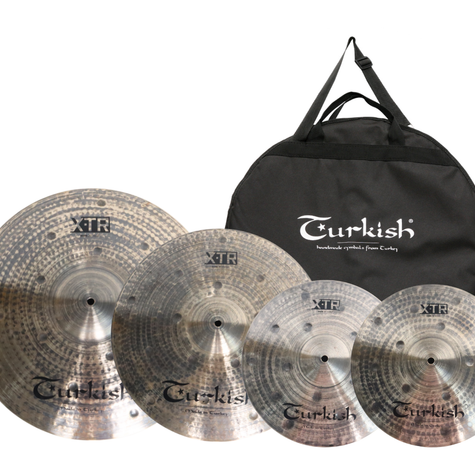
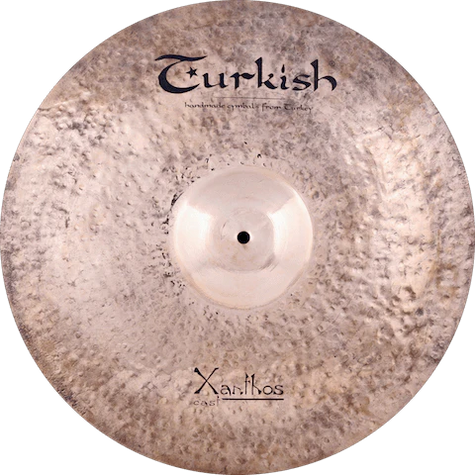
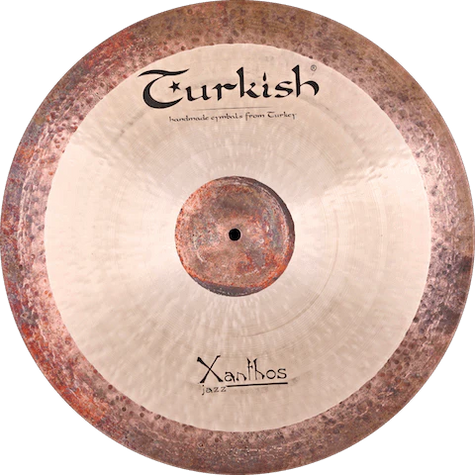
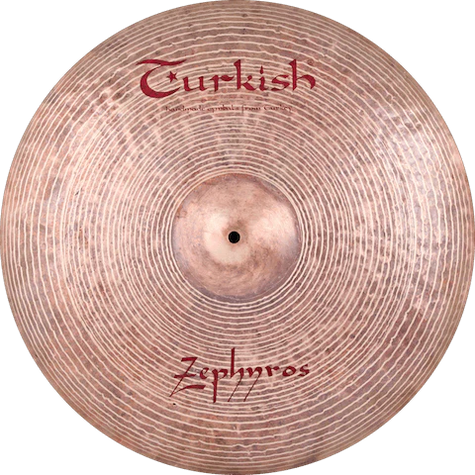
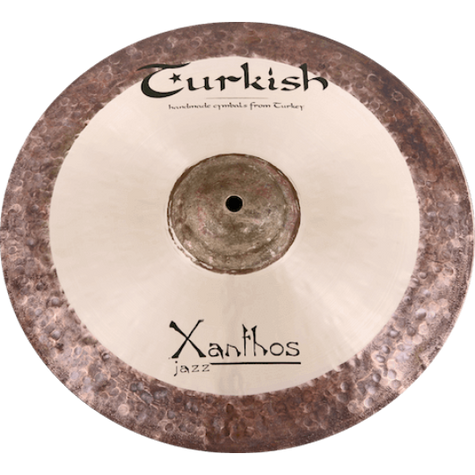
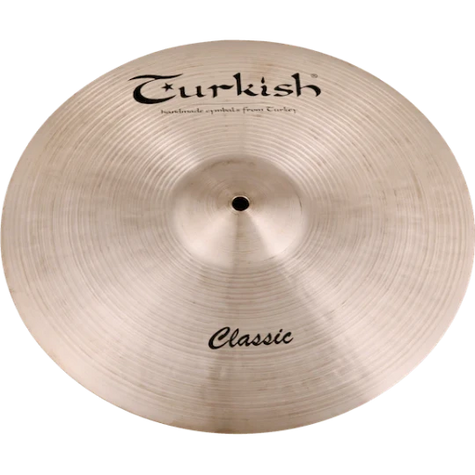
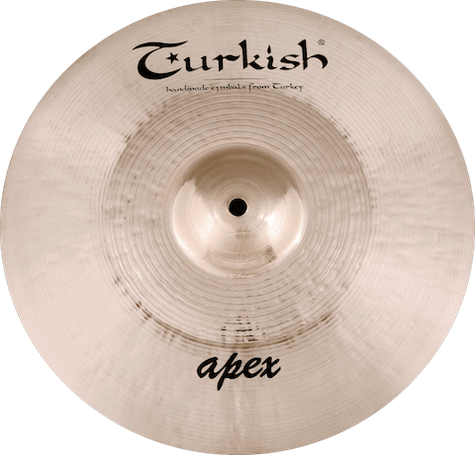
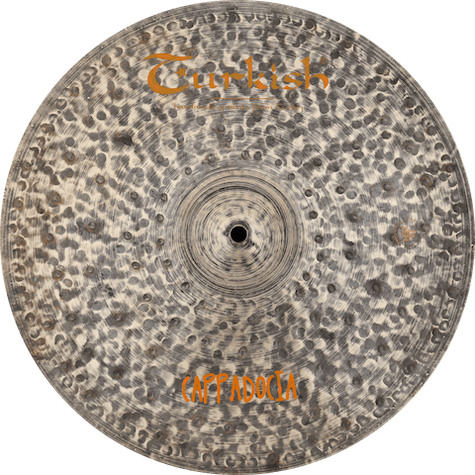
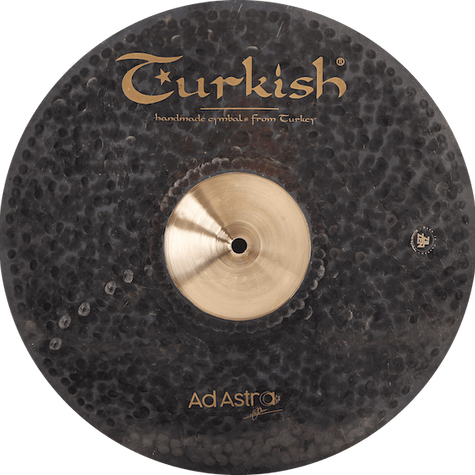
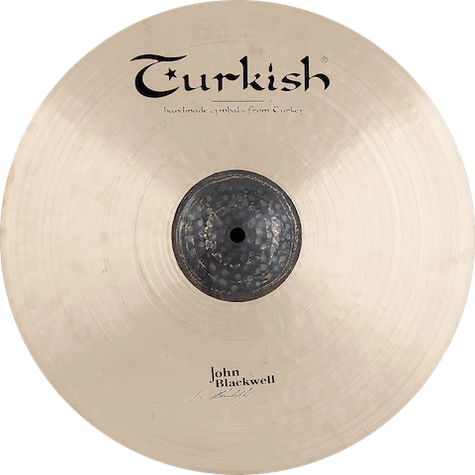
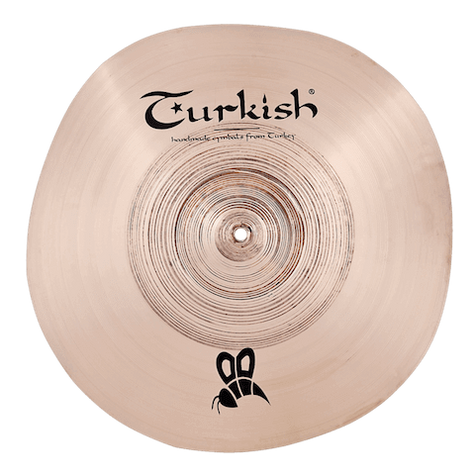
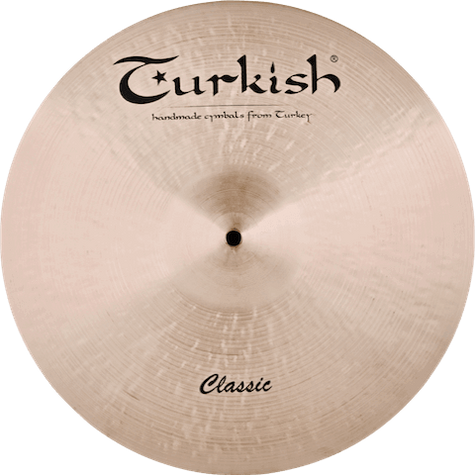
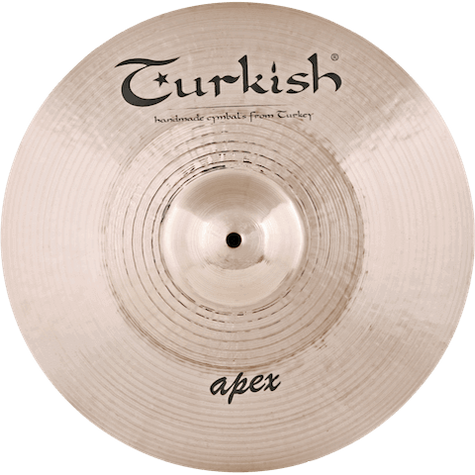
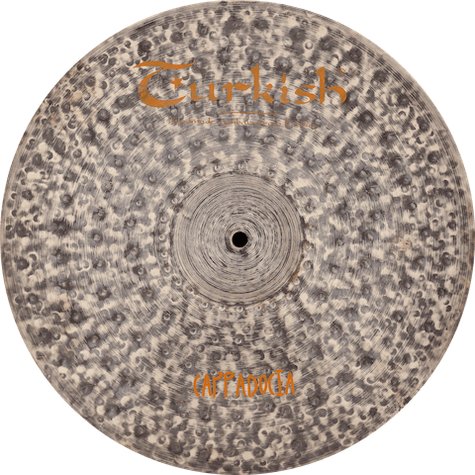
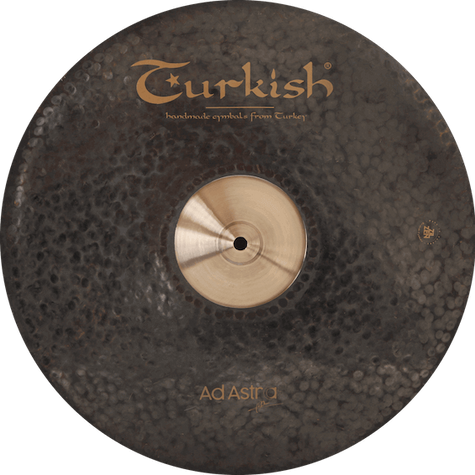
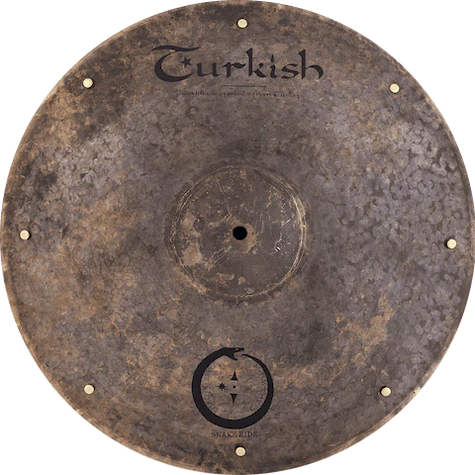
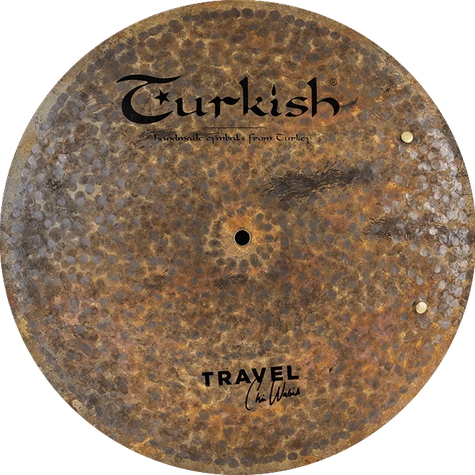
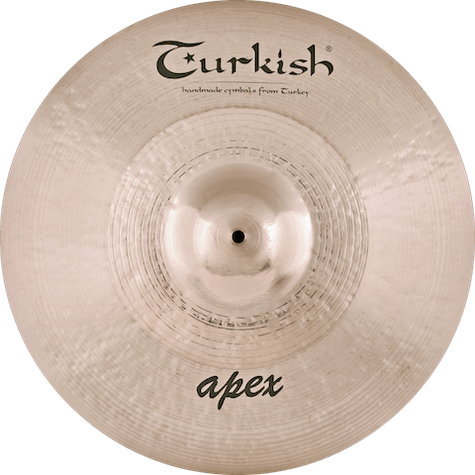
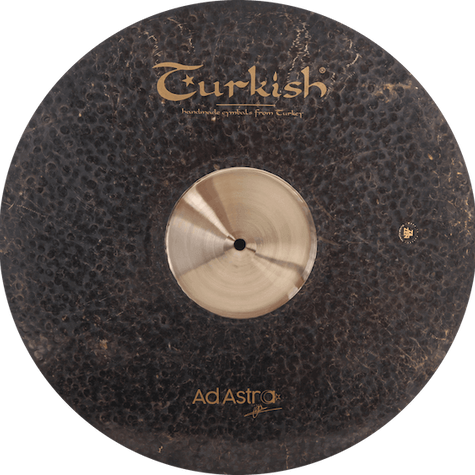
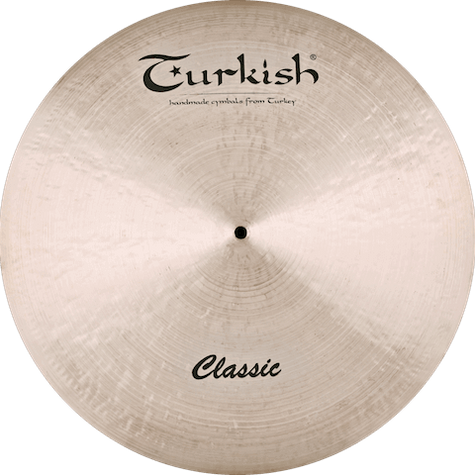
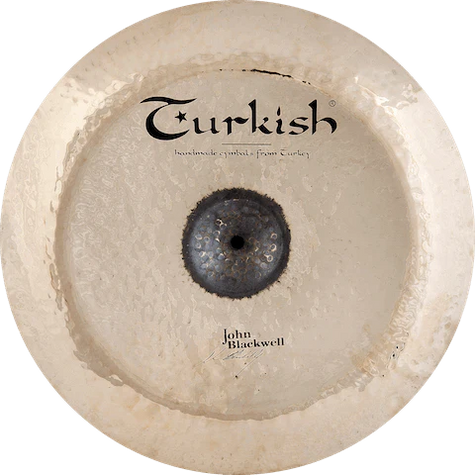
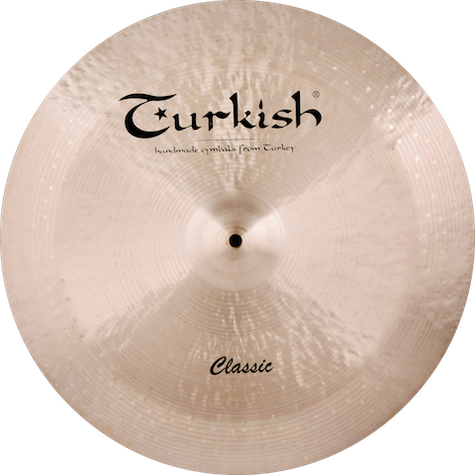
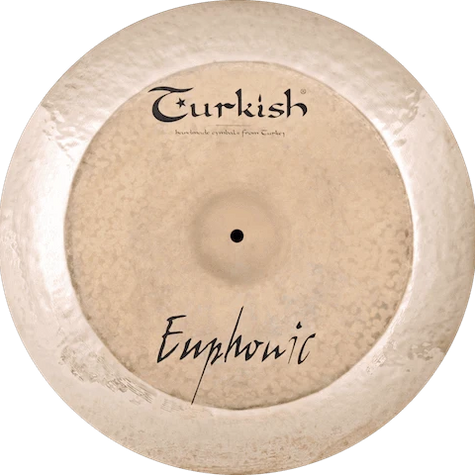
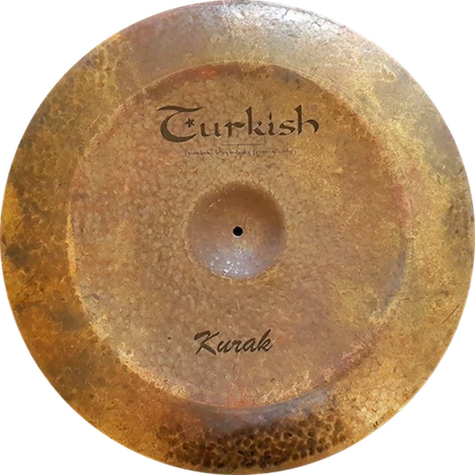
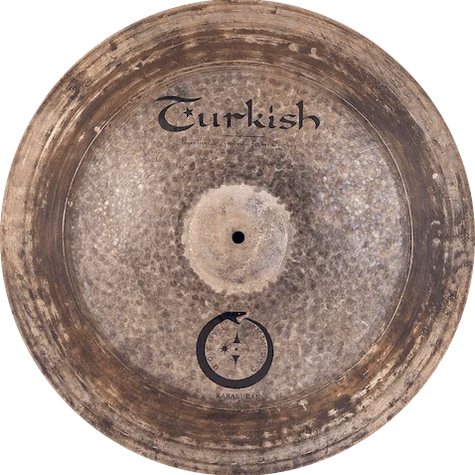
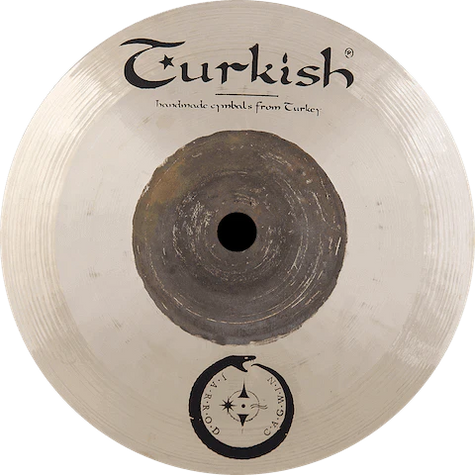
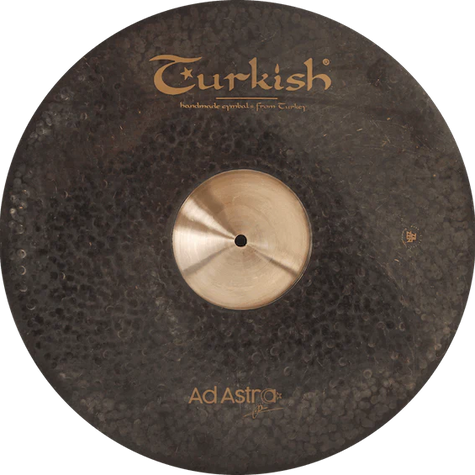
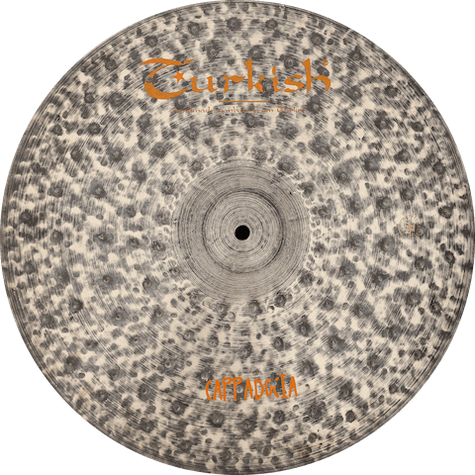
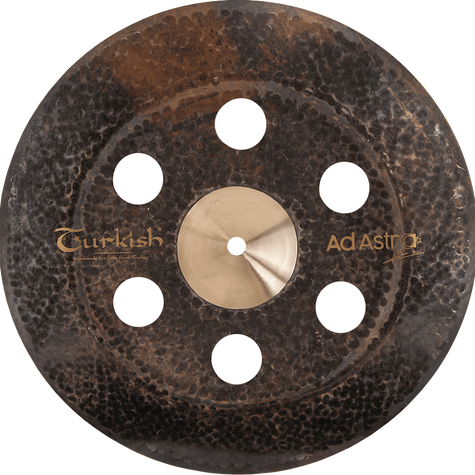
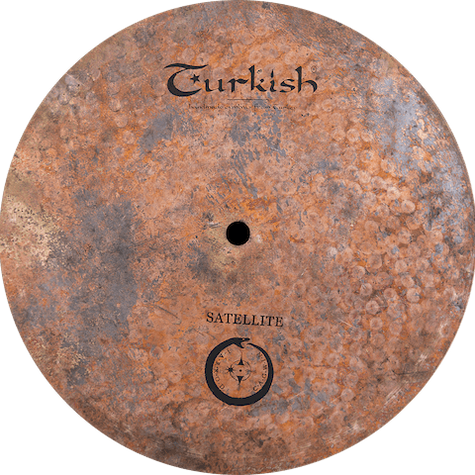
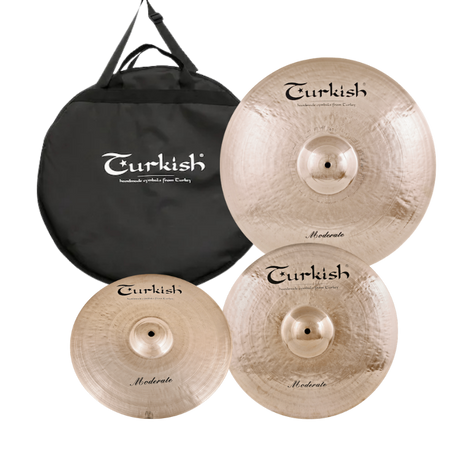
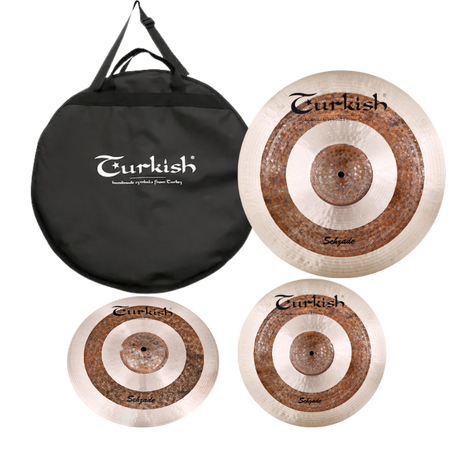
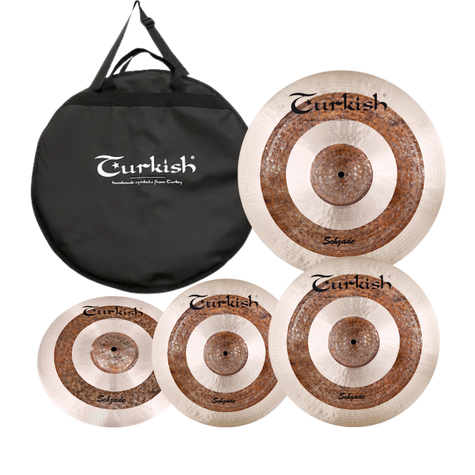

The cymbal is a musical instrument and percussion instrument made of metal: a round, slightly domed disc that rings long and rich in overtones when struck. You find it in the symphony orchestra, in concert bands and in marching music, but above all in the drum set, where several cymbals together shape the sound of the whole kit. In this article you'll learn what kind of instrument the cymbal is, how it is built, which types there are, how its sound can be described, and what to look for when buying one.
Jump to: Anatomy · Types · Material · Which cymbal suits you? · FAQ
What kind of musical instrument is the cymbal?
Cymbals are among the oldest musical instruments: even in antiquity they rang out in the ancient Near East, in Egypt, Greece and Rome, and in Asia. In musicology, the cymbal is classed as an idiophone, a "self-sounder". It has no string and no head: the sound arises when the metal itself vibrates. That is why a cymbal has no fixed pitch, but a sound made up of a great many overtones, which is better described as washy, bright or dark than with a note name. It is played with sticks, brushes or mallets, and in the orchestra also by striking two cymbals against each other.
Cymbals in music: orchestra and drum set
In the orchestra you come across two forms: the pair of clash cymbals, where two cymbals are held by leather straps and struck against each other, and the suspended cymbal, which is mounted on a stand and is played with mallets, for example for a long, swelling roll.
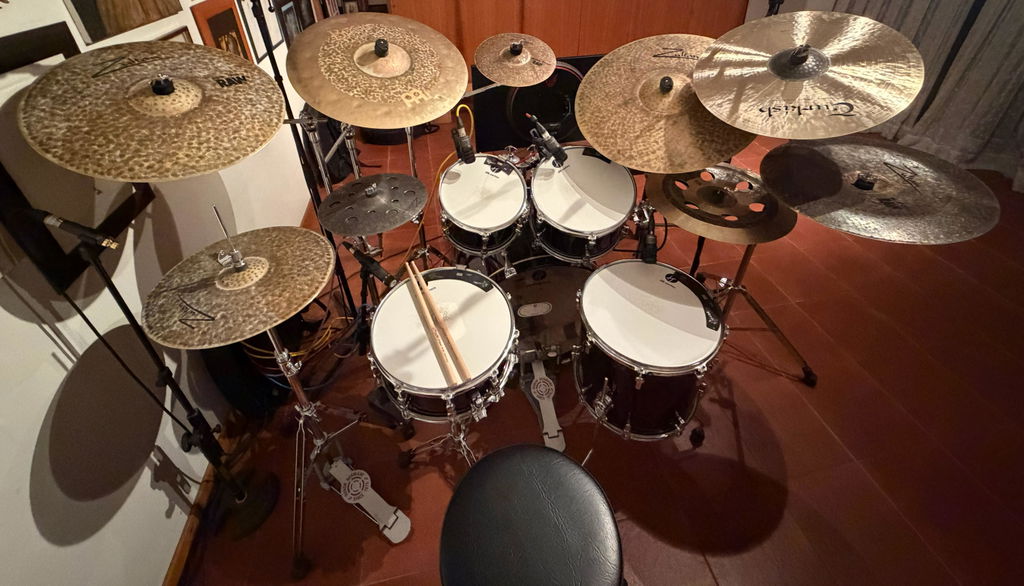
In the drum set the cymbals are mounted in fixed positions and each has its own job: the hi-hat consists of two cymbals that come together via a foot pedal. Crash cymbals set short accents, the ride cymbal carries the continuous rhythm. Add to that splash, china and effects cymbals. This division emerged in the 20th century; how cymbals developed before that, you can read in our history of cymbals.
Anatomy of a cymbal: bell, bow and edge

Every cymbal is made up of the same zones. In the middle sits the hole for mounting, and around it the bell, a domed raised area with a bright, clear sound. The surface between bell and edge is called the bow; this is where you play the beat on a ride. The outer edge is the zone for crash strokes.
Edge, bow and bell sound different, so when you try out a cymbal it pays to listen to all three zones. Two more specifications determine its character: the diameter, given in inches, and the weight.
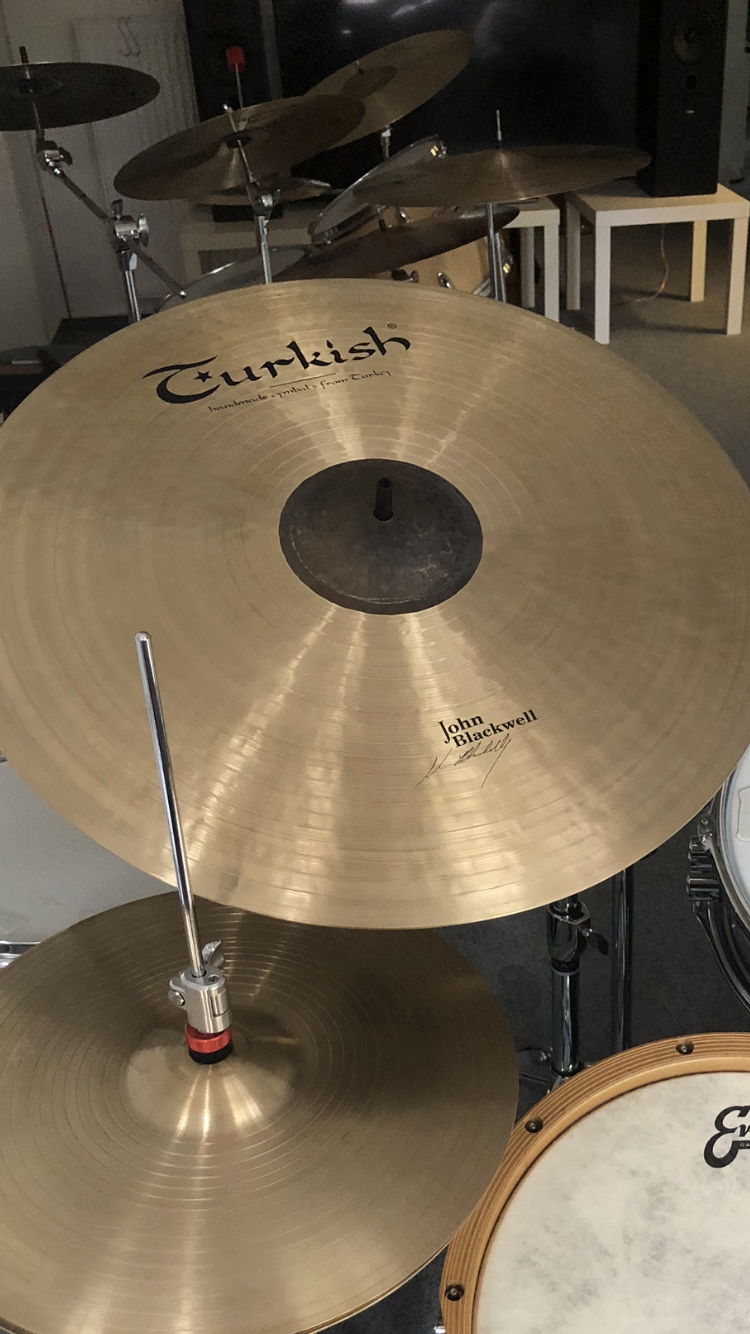
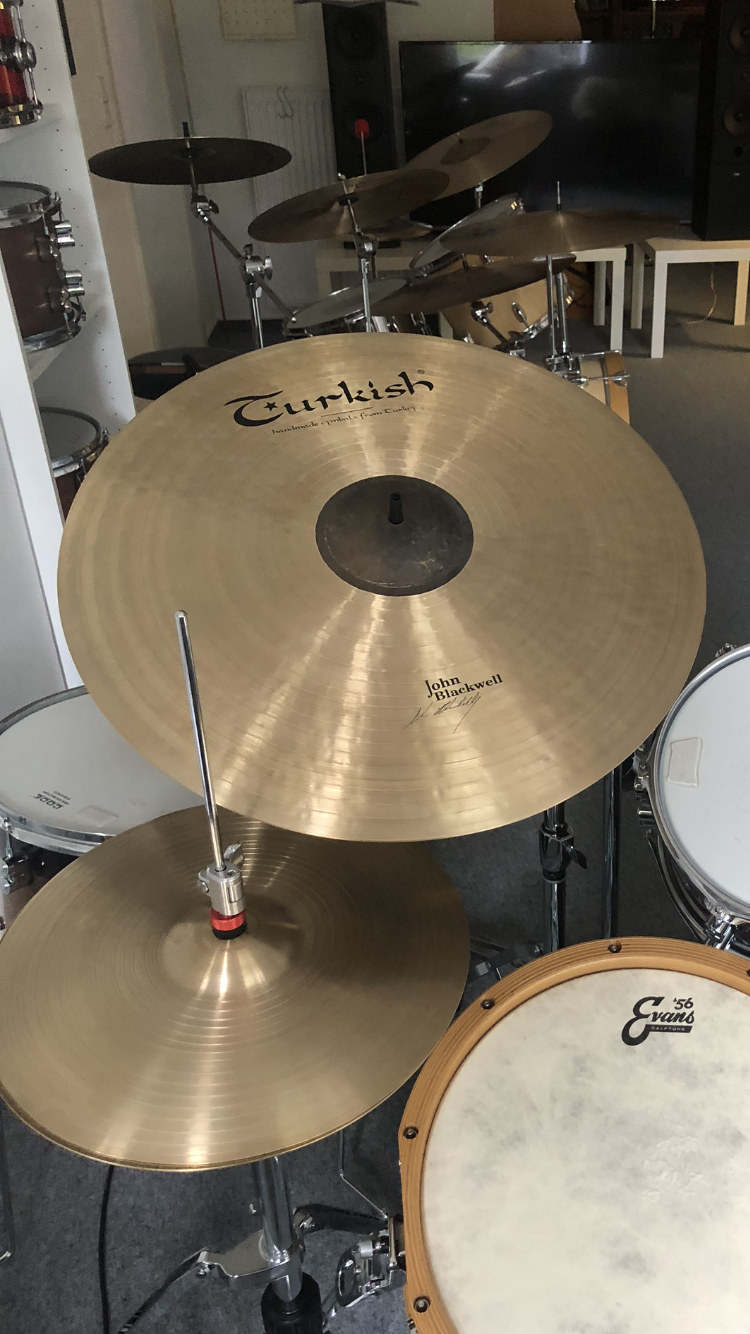
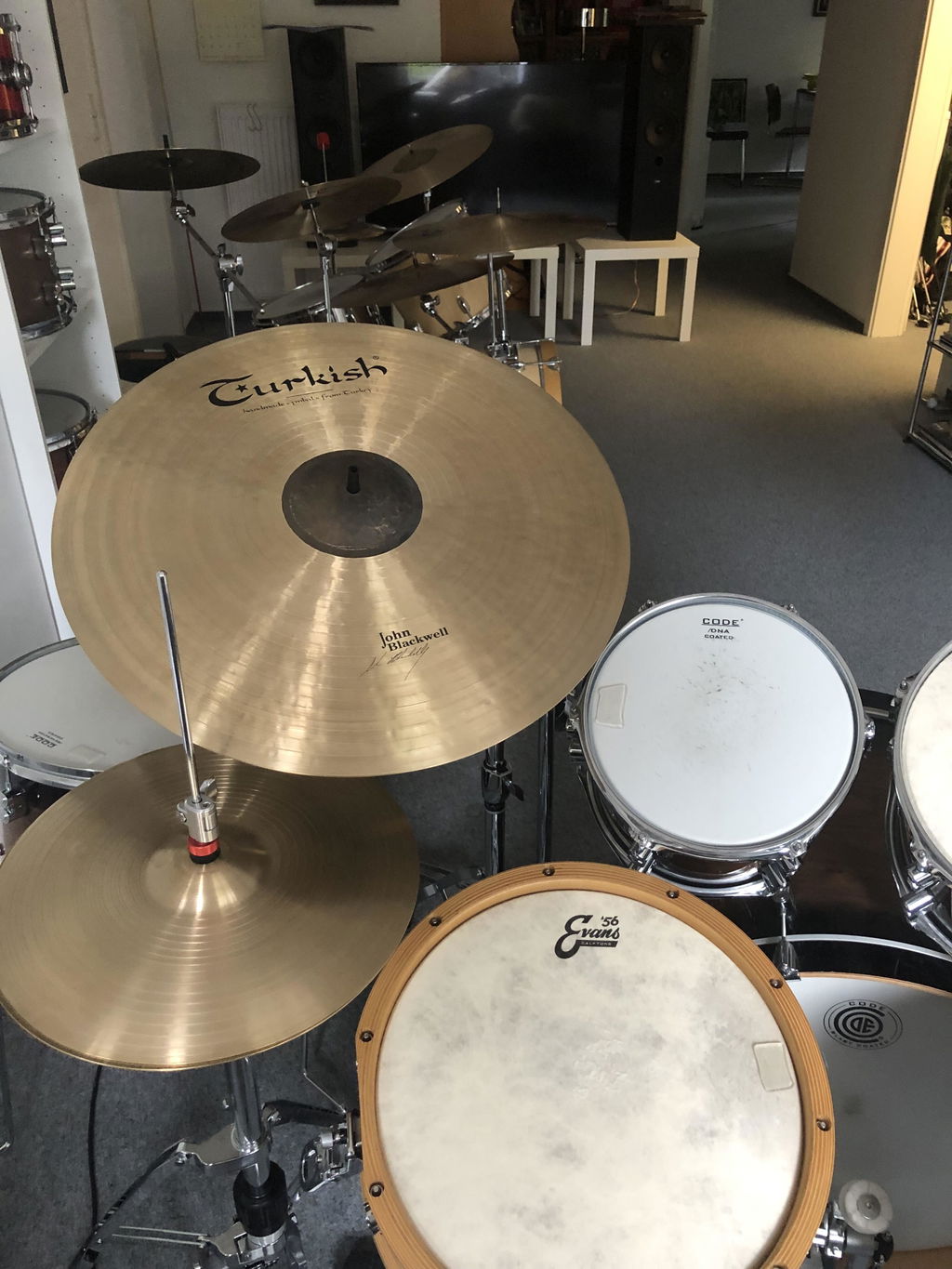
Bell, bow and edge on the Turkish Cymbals John Blackwell Signature Ride. The labels in the image are in German, with the English term in brackets. At Cymballand Virtual we recorded each of these zones separately.
The types at a glance
- Hi-hat cymbals: a pair made up of a top and a bottom cymbal, from 12" to 16" in our range. You'll find more on the right setup in the article How to set up a hi-hat.
- Crash cymbals: for accents and transitions, from 14" to 22".
- Ride cymbals: for the continuous rhythm, from 16" to 24".
- Crash-ride cymbals: a compromise between the two, in 19" and 20".
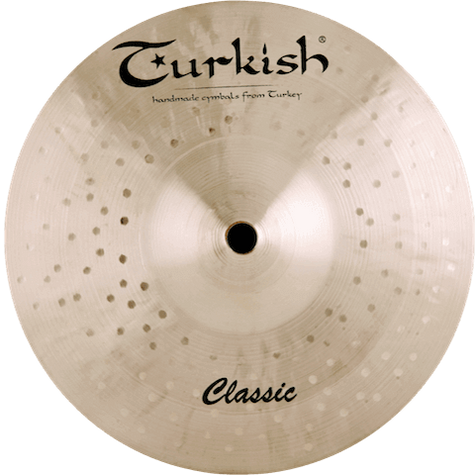
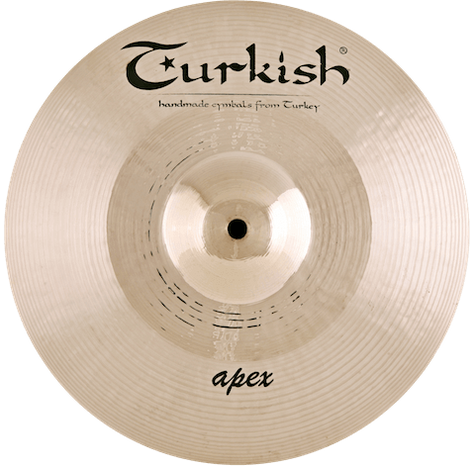
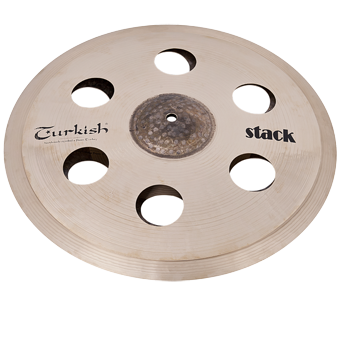
- Splash cymbals: small, fast accents, from 6" to 12".
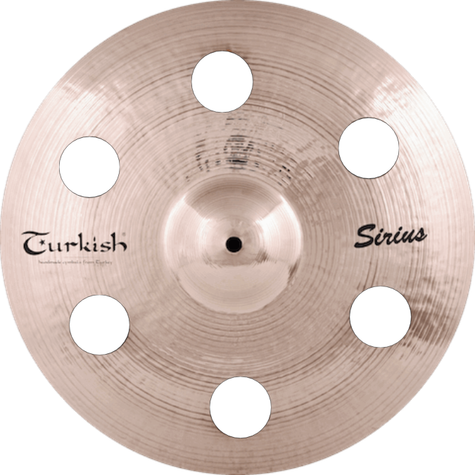
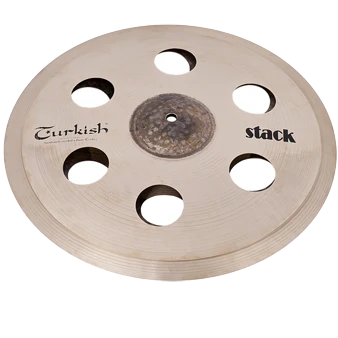
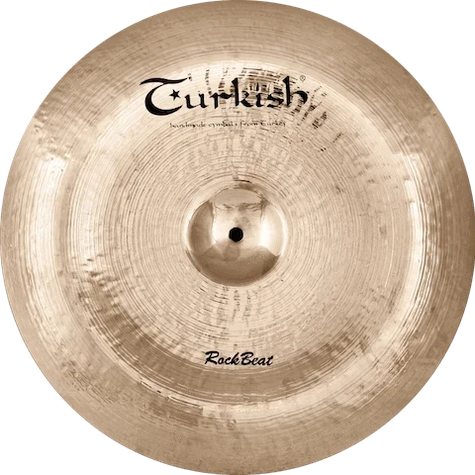
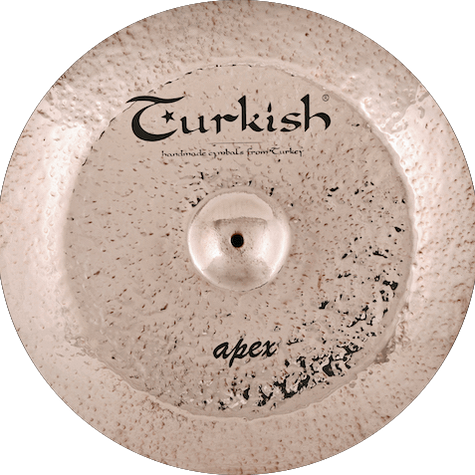
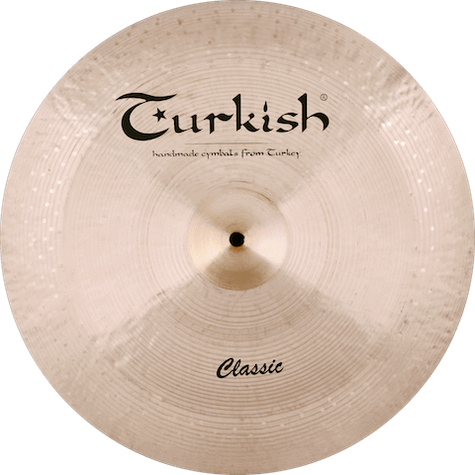
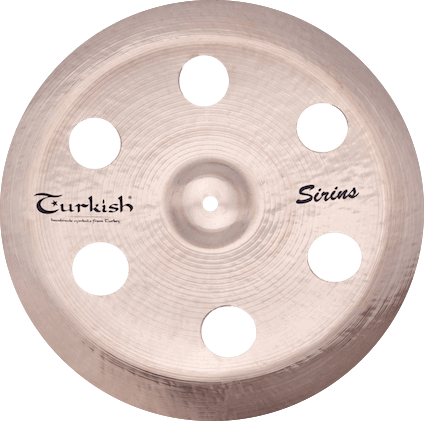
- China and effects cymbals: rough, quickly fading sounds, from 8" to 22".
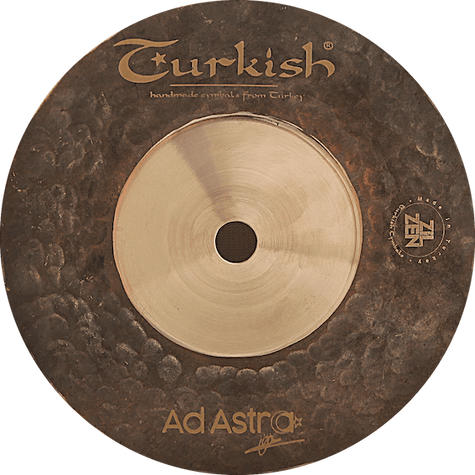
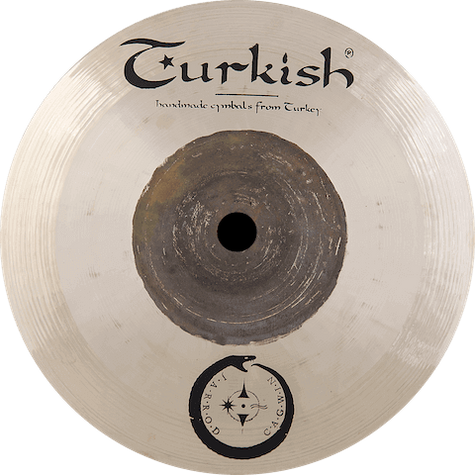
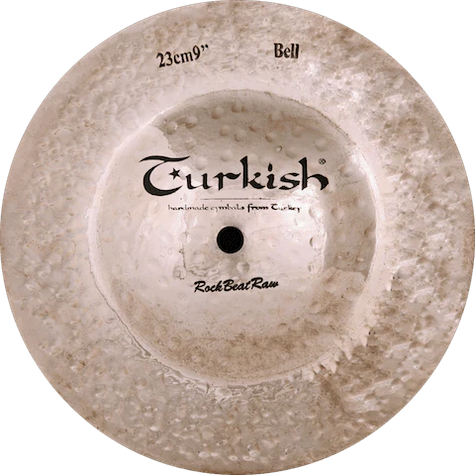
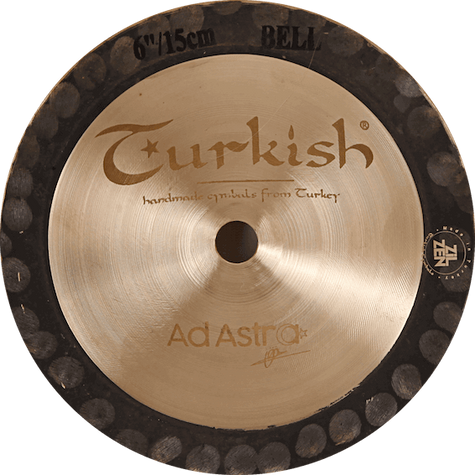
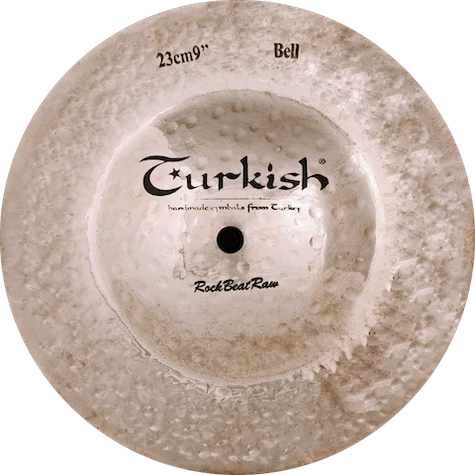
- Bell cymbals: small cymbals for bell accents, with a domed or flat center, from 6" to 11".
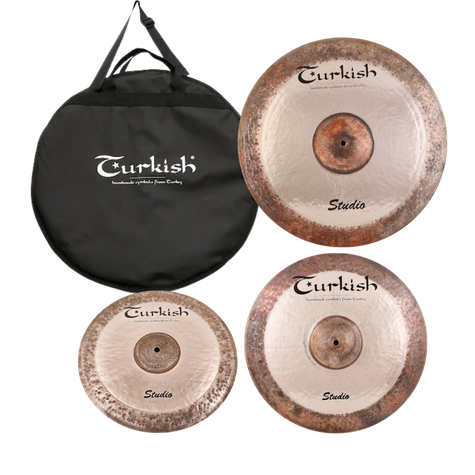
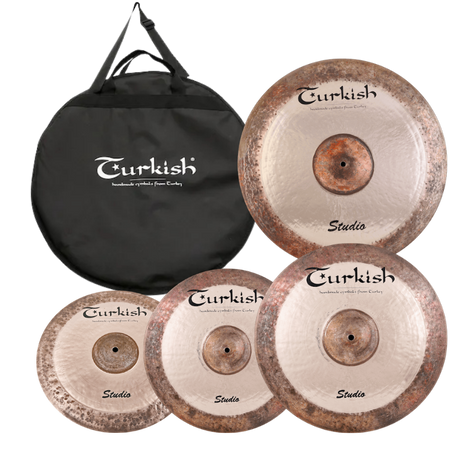
If you're looking for a complete setup, the cymbal sets offer matched combinations.
What is a cymbal made of?
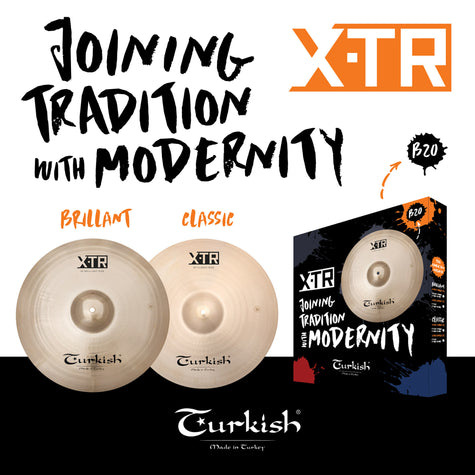
Most high-quality cymbals are made of bronze, an alloy of copper and tin. B20 is 80% copper and 20% tin, while B8 has only about 8% tin. B8 bronze can be cold-rolled and stamped, which makes it cheaper to produce. For getting started that is a sensible choice, and entry-level cymbals made of brass are common too. We, on the other hand, offer B20 cymbals from Turkish Cymbals that, apart from the X-TR series, are hand-hammered, at affordable prices. How strongly the alloy really shapes the sound, and what else counts, is explained in the article B8 vs. B20.
How a cymbal is made
A cymbal is made in several steps: the bronze is cast, the blank is heated in a furnace and then shaped. With high-quality cymbals, hammering follows, which gives the metal its tension and the surface its structure, and usually lathing on a lathe. Istanbul's cymbal-making tradition goes back to 1623, when Zildjian was founded. In this tradition, Mehmet Tamdeğer, who began as an apprentice in the workshop of K. Zildjian in Istanbul-Samatya in the 1950s, founded Turkish Cymbals in 1996.
At Turkish Cymbals the cymbals are cast by hand, heated and hammered by hand; the exception is the X-TR series, which is half hand-hammered and half machine-hammered. Cymbals left raw, such as the Raw series, are not lathed. The process step by step is described in the article Handmade cymbals.
What a cymbal sounds like
Drummers describe the sound of a cymbal with a few fixed terms: attack is the first strike, sustain is the time the cymbal keeps ringing, and decay is the fading away. Wash is the broad, rushing noise that appears on a ride or on open hi-hats. Add to that opposite pairs such as dark and bright or dry and washy. What the individual terms mean is explained in the cymbal terminology article.
How a ride sounds in practice, you can hear in this video with the Turkish Cymbals Cappadocia Ride 22". While listening, pay attention to attack, sustain and wash, and to how the sound changes as it is played. You'll find more cymbals from the same line in the Cappadocia series.
Which cymbal suits you?
I'm Bülent, owner of Cymballand, and I've been playing drums for over 25 years. This is what I pass on to drummers when they buy cymbals.
Don't buy on sound alone
The most common mistake: buying a cymbal just because it sounds good. What matters more is what your kit needs right now, and just as much what it doesn't need. Ask yourself: Which project do you play in? Which sounds does this music need? Which cymbals do you already play with it? And the most important question: Do you want a clear contrast to the cymbals you already have, or should the new cymbal fit your existing sound?
Don't overthink it
Cymbals are like perfume: if you try too many in a row, you lose your bearings, and the right choice gets harder instead of easier. So decide beforehand what you want to achieve and what you need.
If you play in several styles
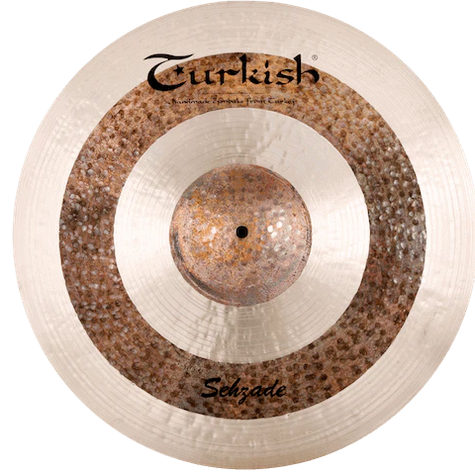
If you play in several projects and styles, choose a cymbal that is neither too bright nor too dark and neither too loud nor too reserved. Versatile cymbals with a Traditional finish are well suited to this, for example from the Classic, Sehzade or Vintage Soul series.
The standard set: 14, 16, 18 and 20 inches
Before I give a recommendation, I ask about your drum kit (sizes and shell wood) and about the music you play. As a standard set I recommend a 14" hi-hat, a 16" crash, an 18" crash and a 20" ride. If your budget is limited and you want to play for a long time and in several projects, this is the combination where you're least likely to go wrong.
Size, weight and finish
As size and weight increase, the sound usually becomes longer, fuller and deeper. But there are countless variations, and the finish plays a part too: a large, heavy, thick cymbal can still fade out quickly. For the studio and small stages, sizes of 14, 16, 18 and 20 inches fit. You can sound good with them in large halls too. But if you play rock with few instruments and need more volume in the overall sound, larger cymbals can make sense.
Playing and caring for it properly
Play your cymbals at the right angle and with suitable sticks. A thin cymbal with a thick stick such as a 5B can crack. A thicker cymbal, on the other hand, delivers the volume you want without you having to hit extremely hard. So choosing the right cymbal protects it as well. Keep it dry. If you want to clean it chemically, read up on it thoroughly first, choose cleaners with good references and test them on a small spot first. Don't overtighten the wing nut on the cymbal stand: the cymbal has to be able to move and vibrate freely. If it sits too tight, the sound is choked and the cymbal is put under extra stress. You'll find more tips in the article Cleaning and caring for cymbals.
Get advice
Most of the questions I get are not about B20 or handwork, but about the choice: there are very many boutique brands, and within each brand again many series and types. With the big brands the sound is largely standardised, so you easily find exactly the cymbal you expect. If you're looking for a high-quality, handcrafted cymbal at a fair price, however, you end up with the alternatives, and that's where choosing gets hard. That's why we advise you personally: Cymballand has been the official dealer of Turkish Cymbals in Germany since 2015, and talking to a drummer who knows the cymbals and plays them himself helps from beginner to pro. You can try the cymbals out beforehand with Cymballand Virtual, and how to go about testing systematically is shown in the Cymbal soundcheck.
Frequently asked questions about the cymbal
Which instrument group does the cymbal belong to?
The cymbal belongs to the percussion instruments, more precisely to the idiophones, because the metal itself sounds, without a string or a head.
Does a cymbal have a specific pitch?
No. A cymbal has no fixed pitch, but a sound made up of many overtones. Whether it comes across as dark or bright depends mainly on size, weight, material, finish and workmanship.
Which cymbals does a drum kit need at a minimum?
A typical set gets by with a hi-hat, a crash and a ride. 14, 16, 18 and 20 inches have proven themselves as standard sizes. You can add more cymbals later.
What is the difference between a crash and a ride?
A crash sets short accents and transitions, while a ride carries the continuous rhythm, which you usually play on the bow.
What does B20 mean?
B20 is bronze made of 80% copper and 20% tin, while B8 has only about 8% tin. At Cymballand you will find B20 cymbals from Turkish Cymbals that, apart from the X-TR series, are hand-hammered.
Can I play a thin cymbal with thick sticks?
Better not. A thin cymbal with a thick stick such as a 5B can crack. If you need more volume, choose a thicker cymbal instead.