




A crash cymbal for fusion has to do more than just be loud. In a fusion tune, quiet, finely detailed passages alternate with dense unison figures and powerful climaxes, often within just a few bars. So your crash should open up fully even with light strokes, not turn shrill when you hit it hard, and decay quickly enough that the next accent doesn't get lost in the tail of the previous one. Here you'll find out what matters, which sizes and weights make sense, how you can build your setup and which Turkish Cymbals series are worth considering.
What a crash cymbal has to deliver in fusion
Fusion combines the harmony and improvisation of jazz with the energy of rock and funk. For your crash, that means it has to work at very different volumes and always stay musical. Three qualities help you recognize a suitable cymbal.
Dynamics: from very soft to powerful
A good fusion crash sounds like a crash even when you play it lightly, not just like a thin hiss. At the same time, it shouldn't turn hard or cutting on a strong accent. The wider the range in between, the more you can shape with a single cymbal: from a short touch of color under a guitar solo to a full closing hit at the end of the head.
Response: how quickly the cymbal reacts
Response means how quickly a cymbal opens up after you hit it. Thin cymbals respond faster; heavier ones usually need more force before they open up completely. In fast fills and on accents between the beats, quick response helps, because the cymbal is there exactly when you hit it, rather than blooming a moment later.
Sustain and decay explained simply
The attack is the moment of impact. Sustain describes how long the cymbal keeps ringing afterward, decay how it gets quieter and dies away. In dense figures, a controlled sustain helps: several crashes in a row stay distinct and don't blur into a wall of sound. In quiet tunes or at the end of a phrase, on the other hand, a crash can be allowed to ring longer. That's why many fusion drummers combine two crashes with different decays.
Size and weight: what suits which job?
As a rule of thumb, smaller crashes (14–16") respond faster, sound brighter and suit precise accents. Larger models (18–20") deliver more volume, longer sustain and a fuller fundamental. Weight works in a similar way:
- Thin: very fast response, fully there even with light strokes, usually a shorter decay. Good for accents in quick succession at low to medium volume.
- Medium-Thin: a good compromise for fusion – fast and sensitive, but with enough body for more powerful passages.
- Medium: balanced, with more headroom when the band gets louder.
- Medium-Heavy: more projection and cut; better suited to loud, rock-oriented fusion. Heavy cymbals usually need more force, but there are exceptions, as you'll see further down with the Ad Astra Crash.
A good starting point for many fusion setups is a crash between 16" and 18" in Medium-Thin. If your band plays loud, with distorted guitar and synths, it can be a little larger or heavier. In acoustic lineups with upright bass and piano, a thinner model is often enough.
Setup ideas for fusion
How many crashes you need depends on your music and how much space you have. Three proven options:
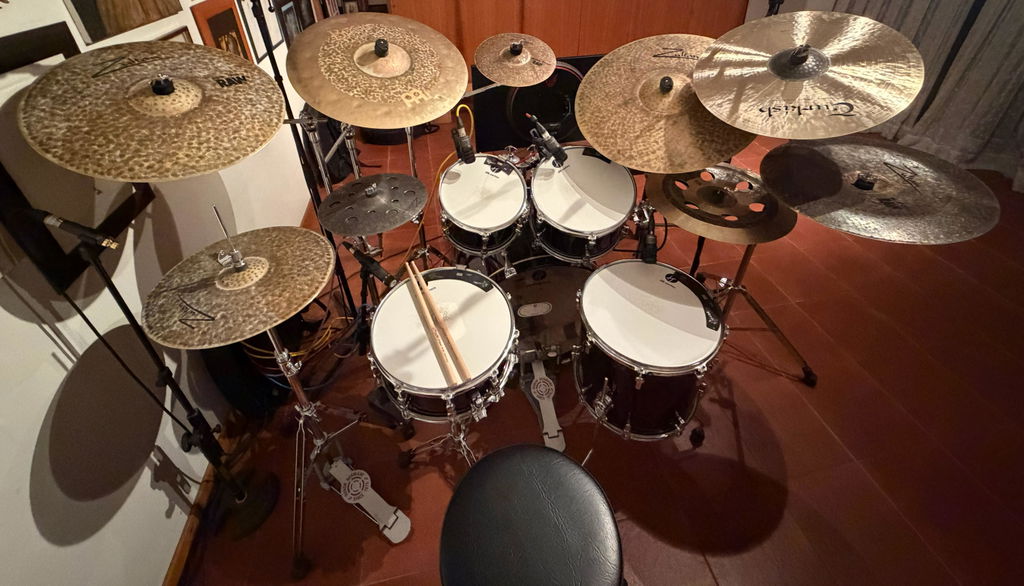
- Two crashes with different characters: for example (for right-handers) a fast 16" on the left next to the hi-hat for short accents in fills, and a fuller 18" on the right toward the ride for big closing hits. Thanks to the different sizes, you can also tell the two apart in the band mix.
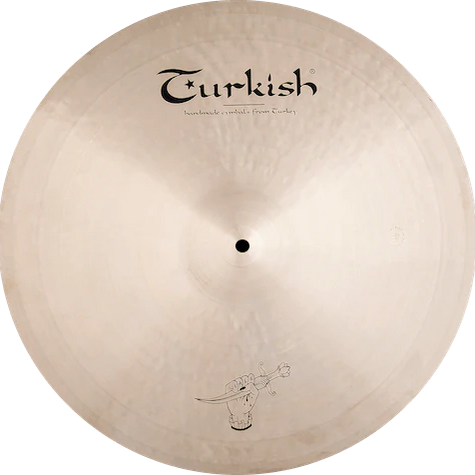
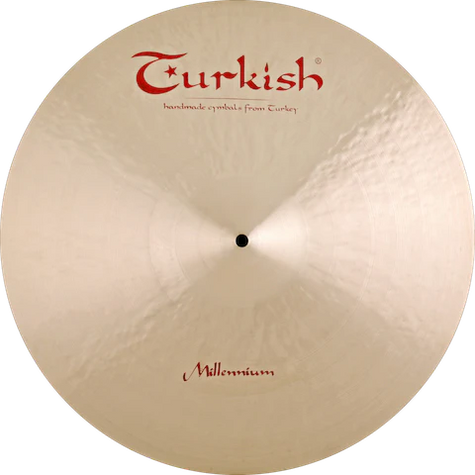
- Compact setup with a crash-ride: If you're short on space or take a small kit to gigs, you can play ride patterns and crash accents on one cymbal. On the Millennium Crash-Ride, ride patterns and crash accents sound equally warm in funk and jazz-fusion grooves.
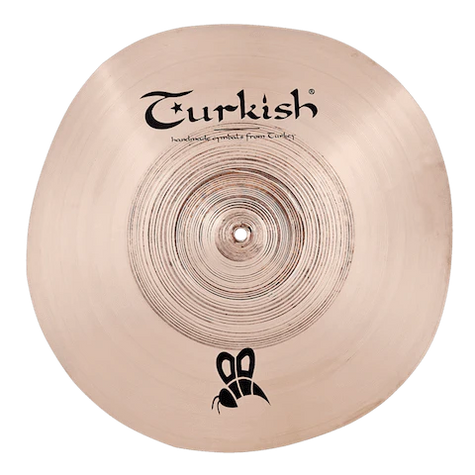
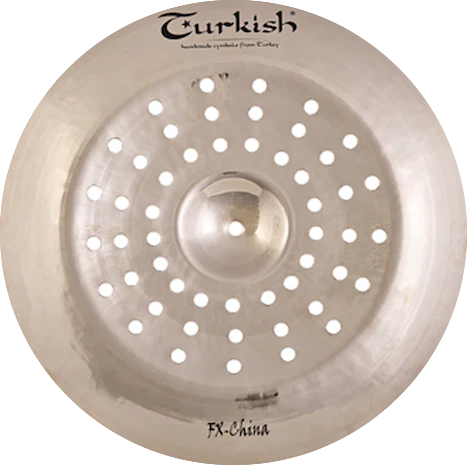
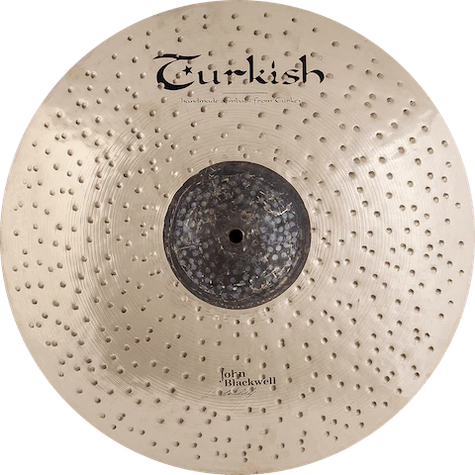
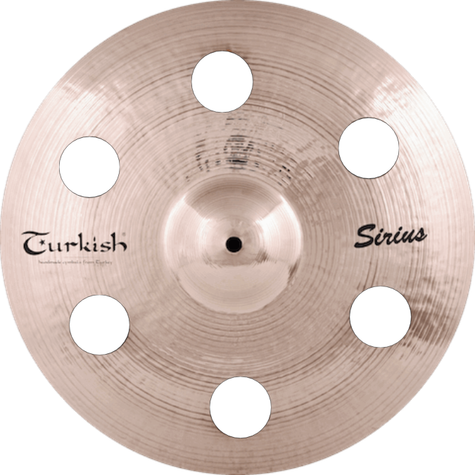
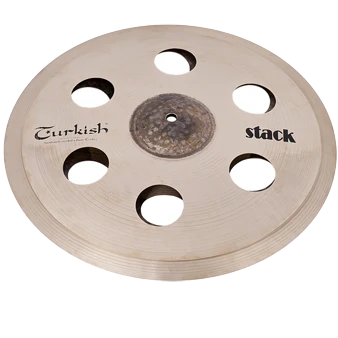
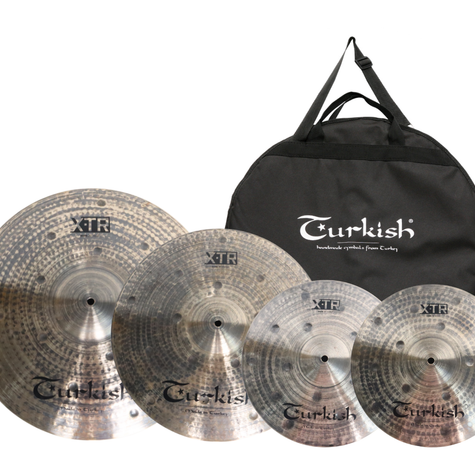
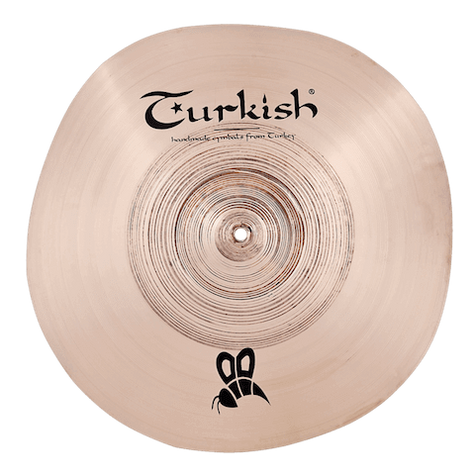
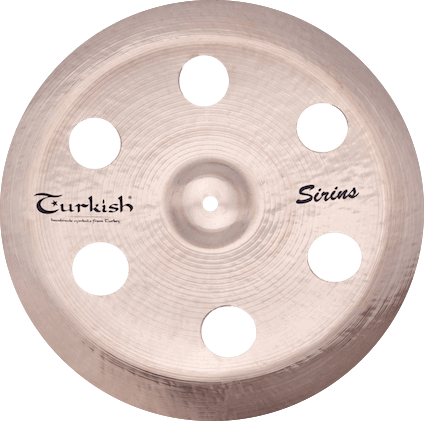
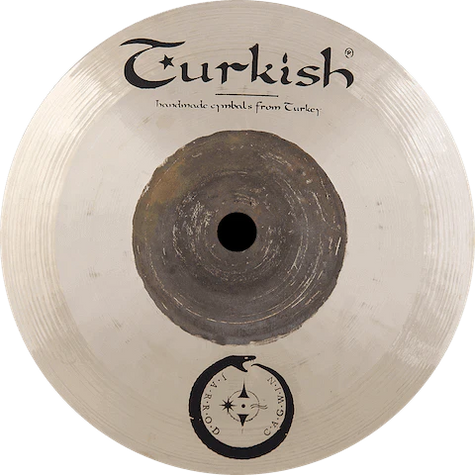
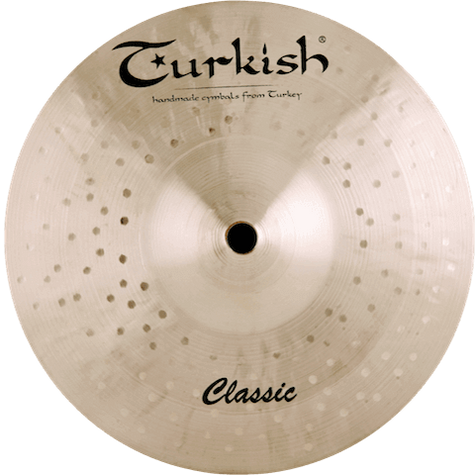
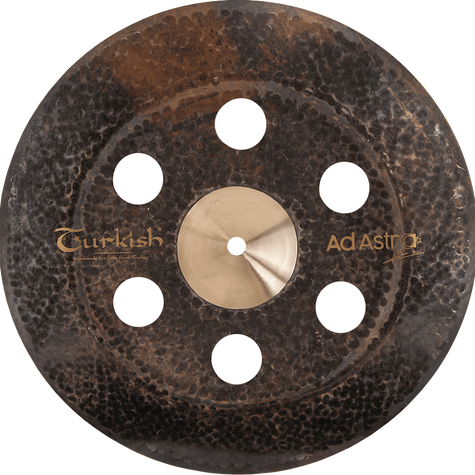
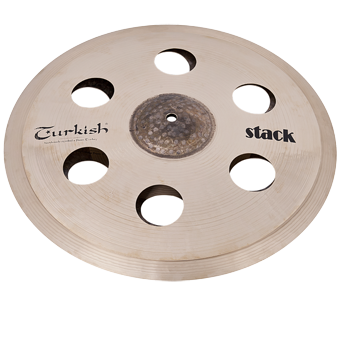
- An effects cymbal as an addition: For very short punctuations, a splash or a crash with holes works well. On the FX Crash, lots of small holes shorten the decay, so in jazz fusion you can add short touches of color instead of a big crash wash. The Kurak Splash brings dark, dry accents and unusual tonal colors to creative patterns.
When combining cymbals, make sure they fit together sonically. The easiest way to do that is to pick your crash, ride and hi-hat from one series; several Turkish Cymbals series are designed so that you can put together a complete setup from them. And one more tip on technique: for a classic crash stroke, hit the edge with the shoulder of the stick. The angle of the stick and how far in you strike change the sound noticeably – try it out on your own cymbal.
Crash cymbals for fusion from Turkish Cymbals
At Cymballand you'll find several Turkish Cymbals series whose crashes are explicitly designed for jazz fusion as well. All of them are cast from B20 bronze in Istanbul. Here's a selection, each with its own character.
Ad Astra Crash: warm and dark, for powerful fusion
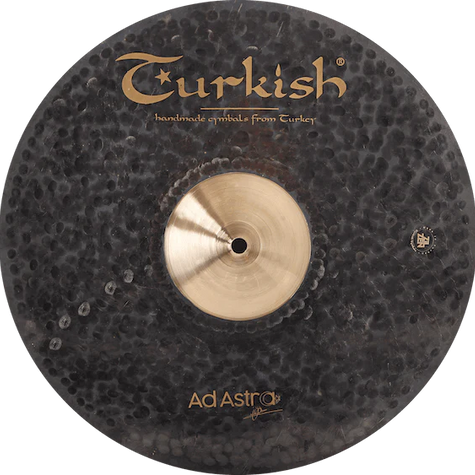
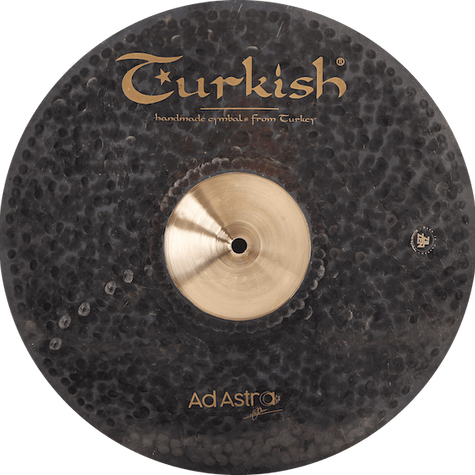
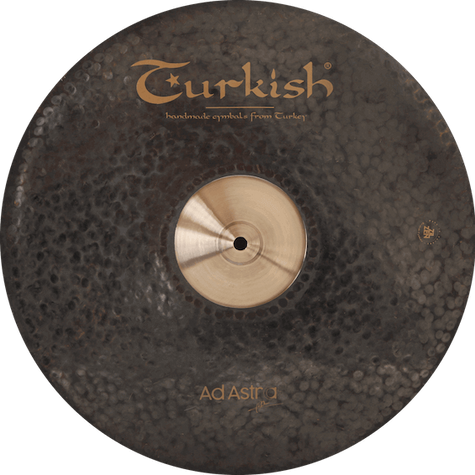
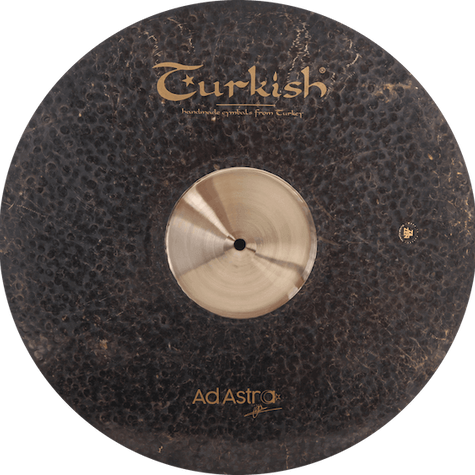
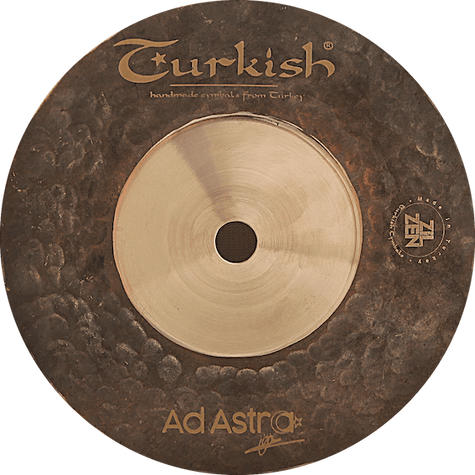
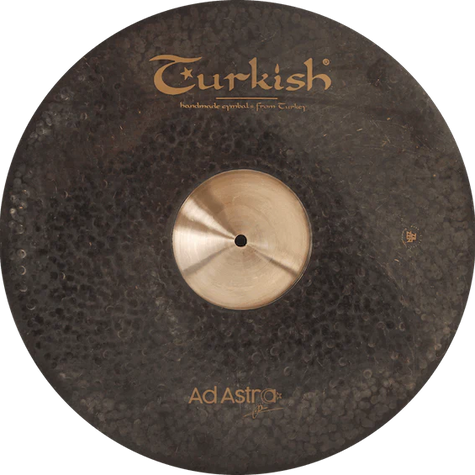
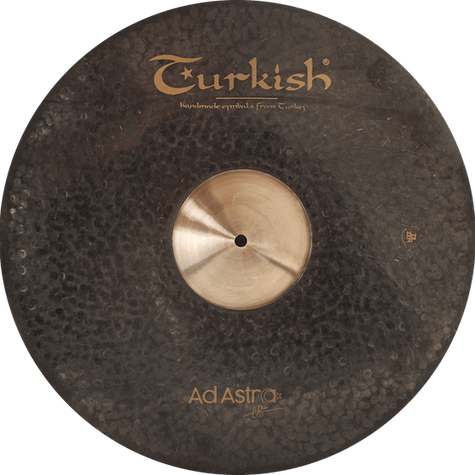
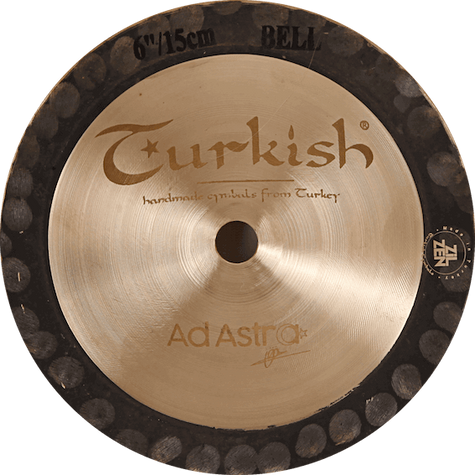
The Ad Astra Crash has a Medium-Heavy build; its surface is left unlathed, and only the large bell is lathed. It sounds warm and dark, responds quickly and has a controlled sustain; unlike many heavy crashes, it also reacts sensitively to light strokes. Whether rock, funk or fusion: its accents are powerful but stay controlled. Its character changes depending on the stick and where you strike it.

Warm, dark crash with fast response and controlled sustain – for rock, funk & fusion.
View the Ad Astra Crash →Millennium: fast and warm for quieter lineups
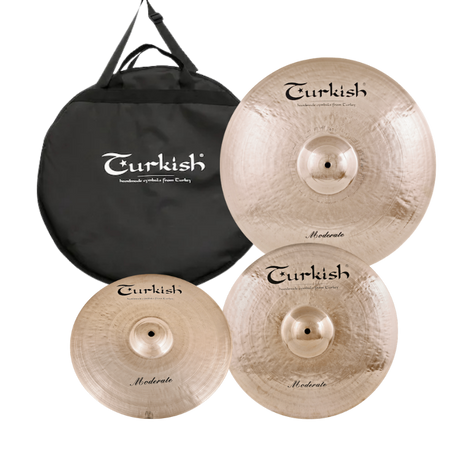
The cymbals in the Millennium series are Medium-Thin, but built close to Thin. The Millennium Crash has a direct attack, sounds warm and sparkling at the same time, and the decay stays controlled; light strokes are enough to make it open up fully. The 16" is more direct and drier, while the 20" sounds bigger, with a more open decay. The series isn't intended for metal, hard rock or other very loud music, though.
Jazz series: colorful, with a Thin version
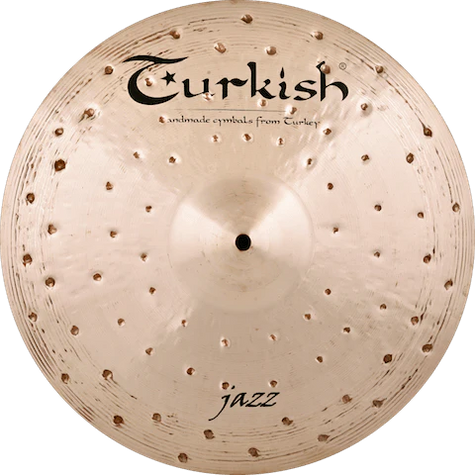
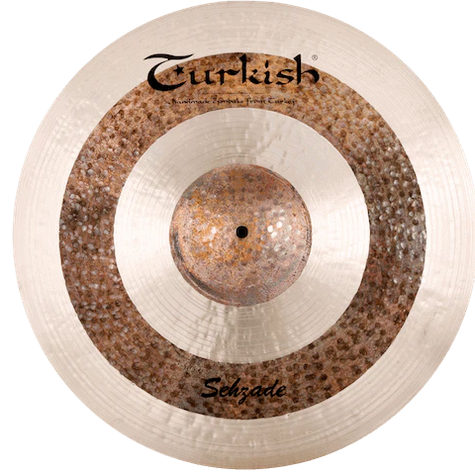
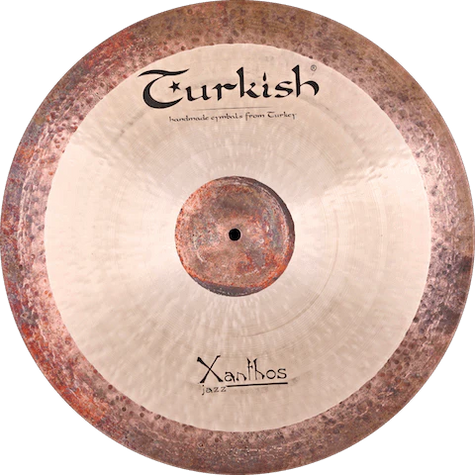
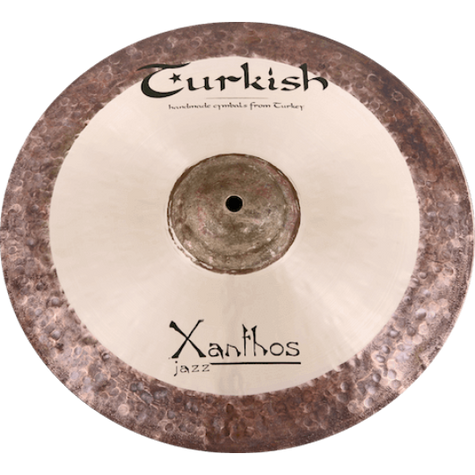
The Jazz Crash from the Jazz series is Medium-Thin, deeply hammered and sounds warm, dark and colorful, but not dry. Its fast response suits dense figures; the 16" has a slightly shorter decay, the 18" sounds fuller and rings longer. If you need even shorter accents, go for the Jazz Crash Thin: it's thinner and its decay shorter, so you can play several accents in quick succession without them overlapping.
Kurak Crash Thin: dry and earthy
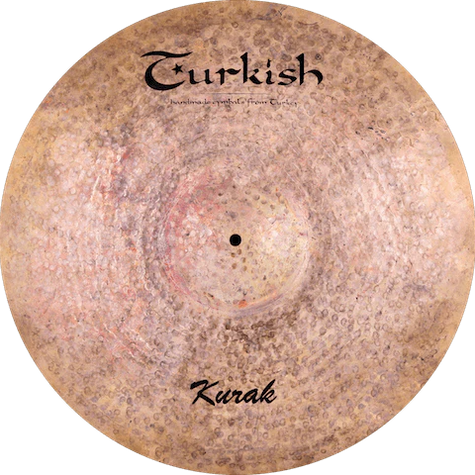
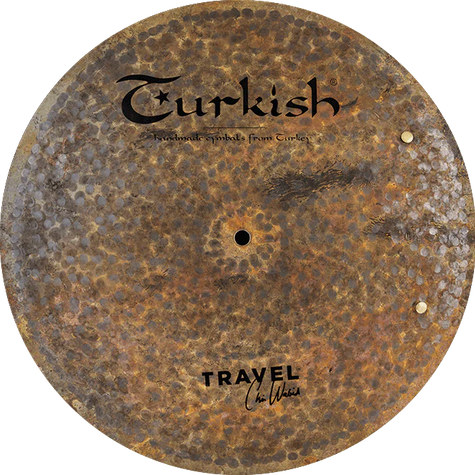
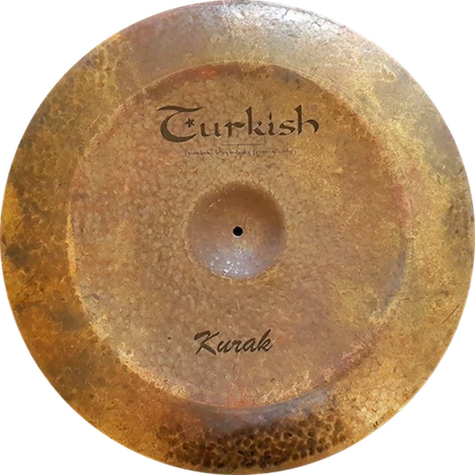
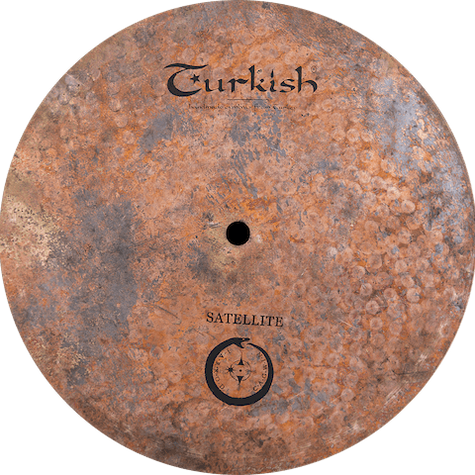
“Kurak” is the Turkish word for “dry”. In the Kurak series, both sides of the cymbals are left completely raw and unlathed, which results in a dark, earthy and dry sound. The Kurak Crash Thin opens up fully even with light strokes and delivers a dry crash with a short, controlled decay. In jazz fusion, its thin build allows for expressive accents.
Rhythm & Soul Crash: medium-dark and controlled
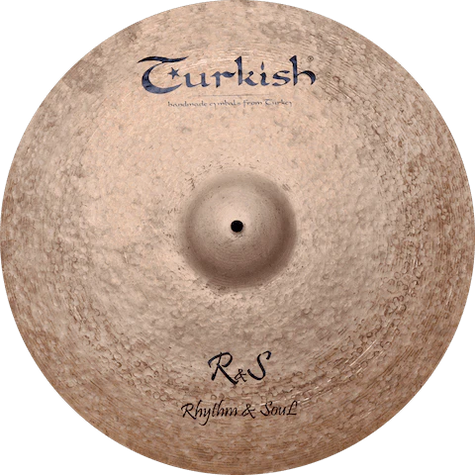
The crash from the Rhythm & Soul series is Medium-Thin, densely hammered and unpolished, with a mottled patina. It responds quickly, the attack comes in immediately, the tone is warm and medium-dark, and the sustain dies away in a controlled way. In jazz fusion it suits short punctuations as well as full crashes at the end of a phrase; the series sounds best at medium volume.
Before you buy: listen to the crashes
In the end, your ears decide whether a crash suits your music. With Cymballand Virtual you can play the edge and bell of many of our cymbals individually online and compare your favorites one after another in the same window – Bülent recorded all the cymbals himself, without plugins or effects. You can read exactly how it works in the article Testing cymbals online.
Conclusion
A crash cymbal for fusion should sound good both soft and loud, respond quickly and decay in a controlled way. For most setups, a crash of 16" to 18" in Medium-Thin is a sensible starting point; a second crash with a different character or an effects cymbal expands your options. Whether warm and dark like Ad Astra, fast and sparkling like Millennium, or dry like Kurak: take your time listening to the cymbals and choose the one that suits your band. If you're unsure, get in touch – we're happy to advise you personally.