




The Fundamentals of Cymbal Terminology
The world of cymbals reveals a fascinating complexity reflected in precise terminology. Each handcrafted B20 cymbal possesses an individual sonic signature characterized through specific descriptions. This terminology forms the foundation for professional communication between manufacturers, dealers, and musicians.
Why Precise Sound Descriptions Are Crucial
The exact description of cymbal sounds goes beyond mere product description. It becomes the bridge between a drummer's vision and sonic reality. Without standardized terminology, misunderstandings arise that can lead to disappointing purchasing decisions. The overview Cymbal (instrument): anatomy, types and sound explains how a cymbal is built and how its sound can be described.
Professional drummers develop an intuitive understanding of these concepts. They translate abstract sound ideas into concrete search criteria. The terminology functions as a universal language that overcomes cultural and geographical boundaries.
Sound Character: The Fundamental Properties
Sound character describes the basic tonality of a cymbal. These primary properties shape the first listening impression and determine the stylistic suitability of the instrument.
Dark: The Depth of Dark Cymbals
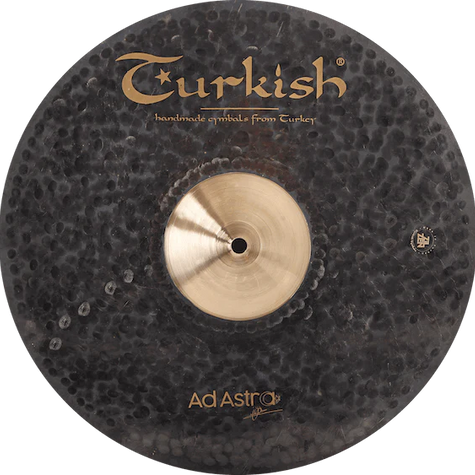
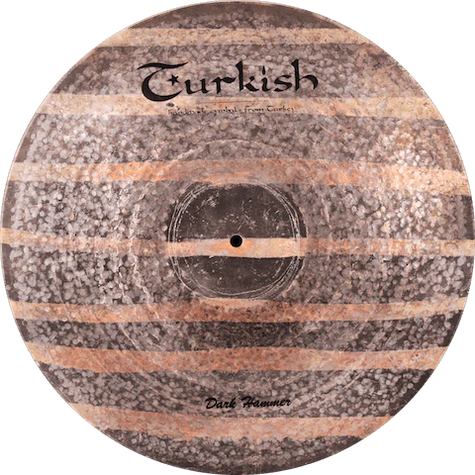
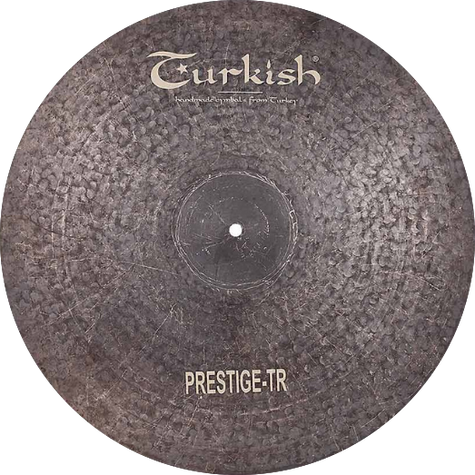
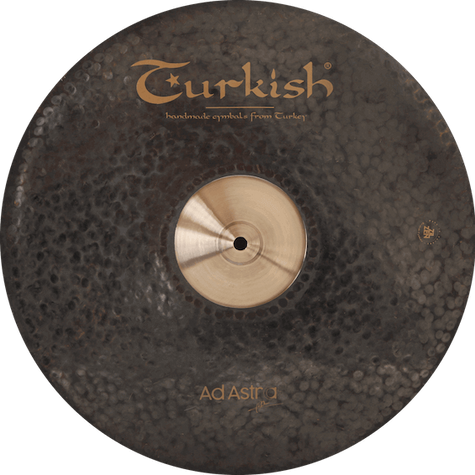
Dark cymbals are characterized by reduced overtone presence. Their frequency distribution emphasizes the middle and low spectral ranges. These cymbals develop a velvety character particularly appreciated in jazz and fusion contexts.
With the same B20 bronze, darkness comes mainly from how the cymbal is worked and from its weight and profile. Intensive hammering enhances this effect further. Dark cymbals react sensitively to attack dynamics and reveal their full complexity during quieter passages.
Bright: Radiant Brilliance and Cutting Power
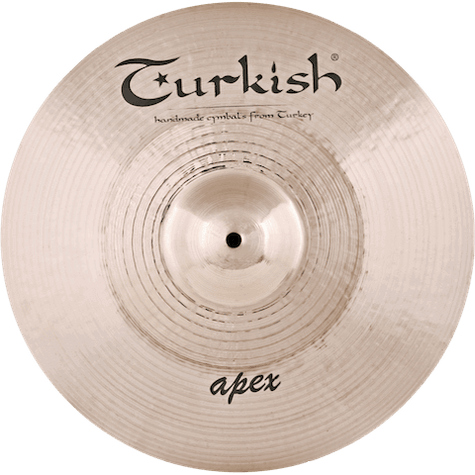
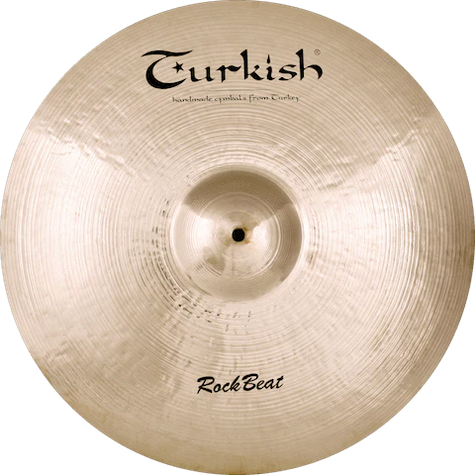
Bright cymbals dominate with pronounced overtones and crystalline clarity. Their frequency characteristics emphasize the higher spectral ranges, leading to marked sharpness. These properties make them ideal for rock, metal, and other assertive musical styles.
The brilliance manifests from the first strike. Bright cymbals project their sound with impressive authority through dense band mixes. Their sustain characteristics tend toward longer decay duration with dominant overtones.
Warm: Organic Warmth and Musical Intimacy
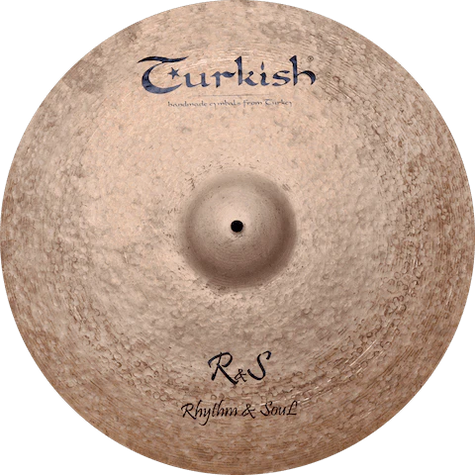
Warm describes cymbals with a balanced, organic tone color. These cymbals convey emotional warmth that combines technical precision with human expressiveness. Their frequency distribution emphasizes neither bass nor treble excessively.
Warm cymbals develop their beauty in interaction with other instruments. They fit harmoniously into complex arrangements without losing their individual personality.
Dry: Controlled Precision Without Overlaps
Dry cymbals are characterized by reduced sustain duration and minimal frequency overlaps. Each strike articulates clearly and precisely. This property enables complex rhythmic patterns without sonic interference.
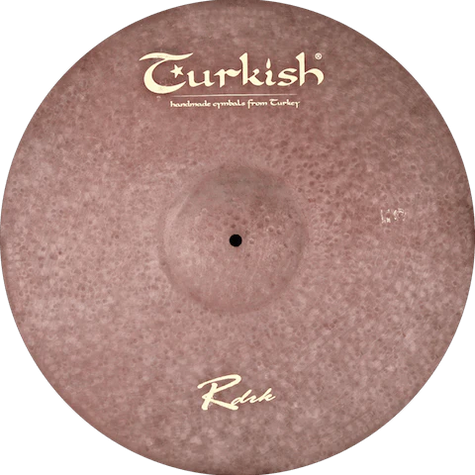
Dryness comes from how the cymbal is worked – such as intensive hammering or a raw, unlathed surface – as well as from its weight and profile. Dry cymbals are excellently suited for studio recordings where control and articulation are priorities.
Washy: Fluid Sound Waves and Atmospheric Density
Washy cymbals generate a fluid, wave-like sound character. Their overtones merge into a homogeneous sonic carpet. This property creates atmospheric density particularly appreciated in expressive musical styles.
The "washiness" emerges through complex overtone interactions. Various frequencies modulate each other and create floating effects. Washy cymbals react particularly sensitively to playing techniques and strike positions.
Cutting: Penetrating Sharpness and Projection
Cutting describes a cymbal's ability to slice through complex soundscapes. This property goes beyond pure volume and is based on specific frequency characteristics. Cutting cymbals possess prominent mid-frequencies that the human ear perceives particularly sensitively.
Mellow: Gentle Elegance and Subdued Intensity
Mellow cymbals convey a gentle, elegant sonic aesthetic. Their aggressiveness is subdued without compromising musical expressiveness. These cymbals suit subtle, nuanced playing styles.
Trashy: Deliberate Imperfection as Style Element
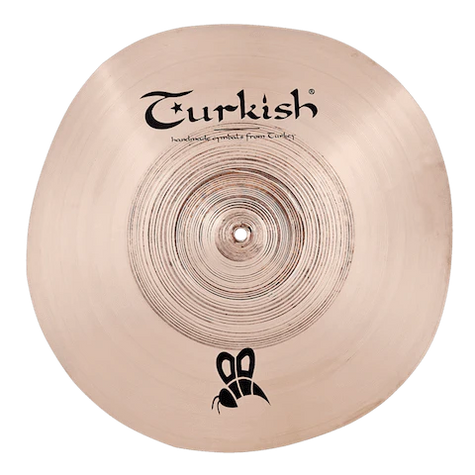
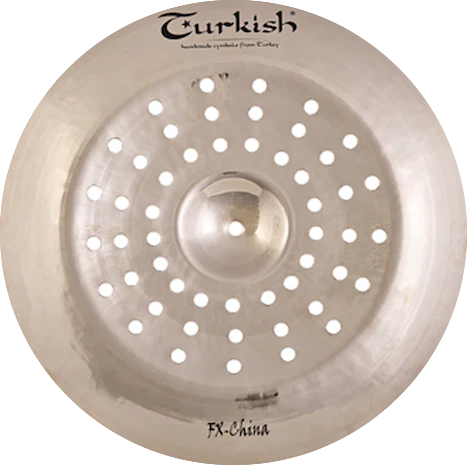
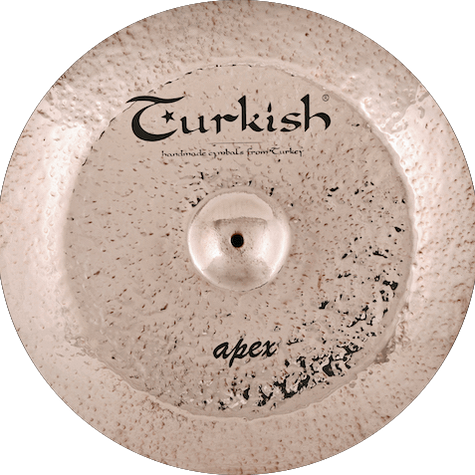
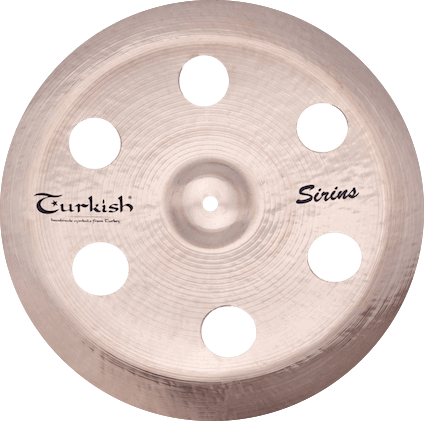
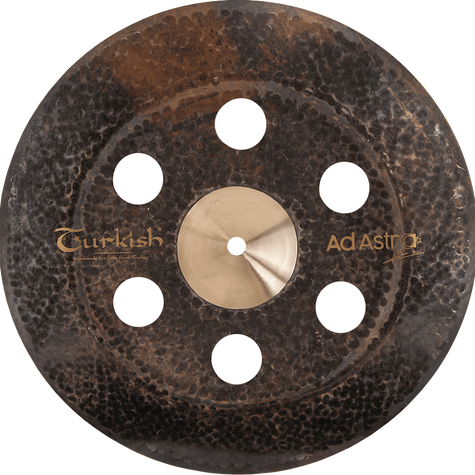
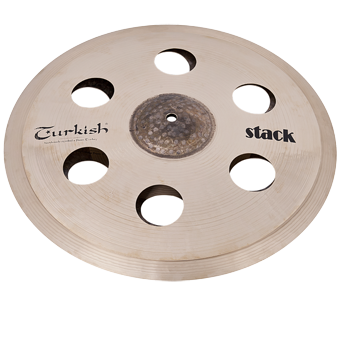
Trashy characterizes a deliberately "dirty" sound character. These cymbals sound rough, short and aggressive; their restless overtone spectrum is a desired part of the sound here. The trashy sound is typical of china and effects cymbals.
Sound Properties: Precise Characterization of Sound Quality
Sound properties describe specific qualitative aspects of cymbal sound. These terms enable detailed characterization beyond basic tone colors.
Crisp: Sharp Definition and Attack Precision
Crisp describes a sharp, defined response. The attack phase lacks softness – instead, each strike articulates clearly and with definition. Crisp cymbals suit musical styles demanding rhythmic precision.
| Property | Frequency Range | Typical Application |
|---|---|---|
| Crisp | Treble-focused | Funk, Fusion, Progressive |
| Articulate | Balanced | Jazz, Studio Work |
| Complex | Broadband | Experimental Music |
Articulate: Eloquent Sound Language and Clarity
Articulate cymbals communicate with eloquent clarity. Each playing technique translates into distinct sonic statements. This property enables nuanced musical conversations between drums and other instruments.
Complex: Multi-layered Overtone Architectures
Complex describes cymbals with intricate overtone structures. These cymbals reveal multiple sound layers when you listen closely. Their complexity develops dynamically and changes depending on playing style and context.
Clean: Pure Sound Aesthetic Without Disturbances
Clean cymbals are characterized by the absence of unwanted frequencies. Their sound is free from metallic harshness or resonant anomalies. This purity makes them ideal partners for audiophile recording situations.
Dirty: Characteristic Imperfection as Tone Color
Dirty describes intentional sonic "impurities." These cymbals deliberately use a rough, restless overtone spectrum as a musical element.
Glassy: Crystalline Transparency and Fragility
Glassy cymbals evoke the acoustic properties of glass. Their sound possesses crystalline transparency paired with certain fragility. This property manifests particularly in the higher frequency ranges.
Woody: Organic Warmth with Natural Overtones
Woody describes an organic sound character reminiscent of wooden instruments. These cymbals possess warm midtones and natural overtone development. Their sonic aesthetic conveys earthiness and acoustic authenticity.
Dynamic Properties: Behavior Under Different Playing Conditions
Dynamic properties characterize cymbal behavior under various strike strengths and playing techniques. These aspects determine practical applicability in different musical contexts.
Responsive: Sensitive Reaction to Playing Nuances
Responsive cymbals react sensitively to subtle playing variations. Minimal changes in strike strength or position lead to clearly perceptible changes in sound. This sensitivity enables great expressiveness.
Responsiveness manifests even with the slightest touches. Ghost notes develop independent character. Crescendos unfold gradually without abrupt dynamic jumps.
Explosive: Powerful Energy Discharge and Projection
Explosive cymbals are characterized by powerful, immediate energy discharge. The attack develops with great intensity. This property makes them ideal for musical climaxes and dramatic accents.
Explosiveness goes beyond pure volume. It encompasses the speed of attack buildup and the intensity of initial frequency development. Explosive cymbals clearly assert themselves in their sonic environment.
Controlled: Predictable Dynamics and Reliability
Controlled describes cymbals with predictable, consistent behavior. Their dynamic response follows linear principles. This predictability enables precise sonic planning and reliable performance.
Lively: Vibrant Interaction and Organic Response
Lively cymbals convey vibrant, organic sound development. Their resonance pulsates with natural vitality. This property creates the impression of a "breathing" instrument with independent personality.
Practical Application of Terminology
Professional application of cymbal terminology requires understanding of contextual nuances. Different musical styles favor specific sound properties:
- Jazz prefers warm, complex cymbals with responsive characteristics
- Rock demands bright, cutting cymbals with explosive dynamics
- Fusion combines articulate, crisp properties with controlled response
- Experimental music appreciates trashy, dirty characteristics
The terminology functions as a navigation instrument through the complex landscape of handcrafted B20 cymbals. It bridges the distance between abstract sound conception and concrete instrument choice.
Which terms describe your ideal cymbal most accurately? The answer to this question leads you to your sonic partner – a handcrafted cymbal from the traditional workshops of Istanbul.